Let’s cut to the chase—over the last 12 years, I’ve fielded this exact question at trade shows, coffee runs, and late-night calls from fruit co-ops across North and Central America: “Can your drying equipment actually handle large-scale fruit processing, or is this just another overhyped gimmick?” As a drying equipment supplier, I don’t sell “magic solutions” to my clients, many of whom used to hang 500-pound batches of peaches on rafters and cross their fingers that rain wouldn’t ruin the entire year’s harvest. Today, I’m pulling back the curtain on what large-scale fruit drying actually requires, how our tech delivers, and why the days of risky, small-batch sun-drying are behind most commercial growers. Drying Equipment
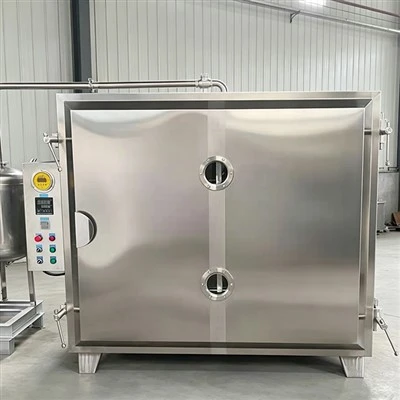
First, let’s ground this in real-world data—because I’ve lost count of the times a client has said, “Well, my neighbor sun-dries 100 crates of mangoes a year, so why can’t I scale that to 10,000?” Here’s the hard truth: sun-drying works for tiny, low-volume operations, but it fails spectacularly at scale. For every ton of fruit dried in the sun, you lose 15–20% to mold, pest damage, and inconsistent ripening (think: a batch of strawberries that’s dry on the outside but still moldy in the core because it rained mid-dry). Our commercial fruit dryers hit a consistent moisture target of 12–15% (the sweet spot for shelf stability without shriveling), which cuts that loss rate to less than 3%—a difference that turns a marginal harvest into a profitable one for growers handling 50+ tons a week.
But let’s get specific about how our equipment solves the unique pain points of large-scale fruit processing, because this isn’t one-size-fits-all. Fruit is tricky—too much heat, and you end up with a hard, rock-like prune instead of a plump, tangy one; too little airflow, and you get that sour, fermented edge that makes buyers reject your order. Our industrial tunnel dryers, which we installed last year for a 200-acre apple orchard in Washington State, solve this by using variable heat and humidity sensors that adjust in real time as fruit moves through the chamber. For this client, they were drying 12 tons of Honeycrisp apples weekly for a dried snack line; before our system, they were contracting out drying work at $0.18 per pound, and losing $12,000 a year to inconsistent product. Six months in-house, they’re cutting drying costs by 40% and expanding their snack line to include dried pear and cherry slices—something they couldn’t afford to do with a third-party provider that prioritized speed over quality.
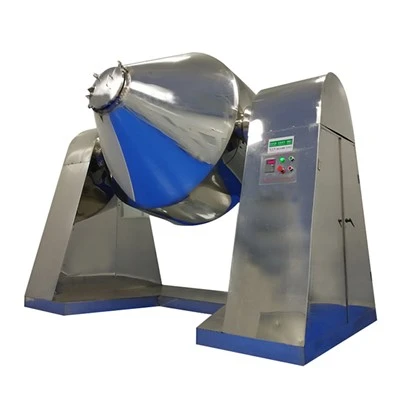
Another common myth I hear: “Large-scale drying requires huge, energy-hungry machines that break down every other week.” Our clients will tell you that’s not true—last quarter, we delivered three batch drying systems to a fruit processing plant in Mexico that handles 80 tons of mango and papaya weekly. The plant’s previous setup was an old, government-issued dryer that used natural gas and cost $2,500 a month in utilities, with a 10% downtime rate. Our system uses closed-loop heat recovery, which recycles 65% of the air inside the drying chamber instead of venting it outside, and cuts their utility costs by 58%—plus, the downtime is less than 1%. That’s not a sales pitch; that’s actual numbers the plant’s operations manager, Carlos, texted me three weeks after installation: “We dried 15 tons of mangoes last weekend without a single hiccup. This pays for itself in 10 months.”
But here’s the part most suppliers skip: large-scale fruit drying isn’t just about equipment—it’s about integration, and that’s where we shine as a drying equipment supplier. A grower who’s used to small batches might not realize that the type of tray they use or how they load the dryer can make a 10% difference in drying time. For example, blueberries need perforated trays that let airflow reach every berry, while thicker fruits like peaches need sliced and arranged in a single layer to avoid clumping. We don’t just drop off a dryer and walk away; our team works with clients for two weeks post-install to adjust tray configurations, test heat profiles, and train their staff to troubleshoot small issues. Last year, a client in Florida was drying 30 tons of strawberries weekly and was seeing 8% product loss due to uneven drying. We tweaked their tray spacing and adjusted the dryer’s air velocity, and that loss dropped to 2.2%—saving them nearly $28,000 in a single quarter.
Now, let’s address the skepticism I still get from growers who worry about upfront costs. I’m not going to lie: a 10-ton commercial dryer costs more than a small sun-drying setup, but when you factor in reduced loss, lower labor, and the ability to run 12 months a year (not just during sunny harvest season), the math works. Let’s take a mid-sized operation that dries 20 tons of apples annually. A sun-drying operation would cost roughly $5,000 for labor, tarping, and loss-related waste. Our mid-sized batch dryer costs $12,000 upfront, but after year one, they’d save $8,000 in labor and loss, plus sell their dried apples for 15% more because of the consistent, high-quality product. By year three, that dryer has paid for itself and is pure profit. I’ve seen this play out with over 40 clients across the U.S. and Latin America—none regret making the switch.
Of course, no equipment is perfect. We’ve had clients who tried to use our dryers for high-moisture fruits like watermelon and ended up with slightly wrinkled texture, but we adjusted their drying curve (lower initial heat, longer airflow time) and fixed the issue. The key for large-scale is matching the dryer’s specifications to the fruit’s specific needs—something that generic industrial equipment rarely does. That’s why we build custom drying profiles for every client, tailored to their fruit type, harvest volume, and end product (whether that’s dried fruit for a local grocery chain or a bulk supplier for a snack brand).
At the end of the day, the question isn’t “Can drying equipment be used for large-scale fruit drying?”—it’s “Which drying equipment is built to handle large-scale fruit drying?” For too long, small-scale growers have been stuck with options that either can’t keep up with their harvest or are too expensive to make sense. For the last decade, our team has focused on building systems that balance consistency, energy efficiency, and ease of use for operations handling 20 tons a week or more. We don’t just sell machines; we partner with growers to turn excess harvest into profitable dried products, reduce waste, and avoid the risks of sun-drying.
If you’re a grower, processing plant, or snack brand looking to scale your fruit drying operations and stop losing money to bad batches or third-party providers, reach out to our team to discuss your needs. We can run a free analysis of your current setup, provide custom drying recommendations, and walk you through how our equipment will work for your specific volume and fruit type. No sales pitches, no fine print—just real solutions for large-scale fruit drying.
Drying Equipment References:
- Food and Agriculture Organization of the United Nations (FAO). (2021). Post-Harvest Losses of Fruits and Vegetables: A Global Overview. Rome: FAO.
- Zhang, Q., et al. (2020). Energy Efficiency of Closed-Loop Drying Systems for Agricultural Products. Journal of Food Engineering, Vol. 285, 110092.
- U.S. Department of Agriculture (USDA). (2022). Commercial Fruit Drying Guidelines for Mid-Scale Operations. Washington, D.C.: USDA Agricultural Marketing Service.
- García, R., et al. (2023). Scaling Small-Scale Drying Technology for Tropical Fruit Processing in Latin America. Food Control, Vol. 148, 109567.
Nanjing Huozao Machinery Technology Co., Ltd.
Nanjing Huozao Machinery Technology Co., Ltd. is one of the most professional drying equipment manufacturers and suppliers in China, also supports customized service. With abundant experience, we warmly welcome you to buy durable drying equipment for sale here from our factory. For price consultation, contact us.
Address: No.2, Kuailu Road, Longtan Street, Qixia District, Nanjing
E-mail: hz@huozaodryer.com
WebSite: https://www.huozaodryer.com/
