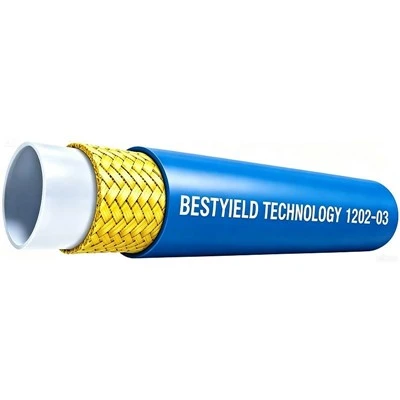
Working as a refrigerant hose supplier, I’ve encountered numerous customers facing issues with their refrigerant hoses. Troubleshooting these problems is crucial to ensure the smooth operation of refrigeration and air – conditioning systems. Here’s a detailed guide on how to troubleshoot common problems with refrigerant hoses. Refrigerant Hose
1. Visual Inspection
The first step in troubleshooting a refrigerant hose is a thorough visual inspection. This simple yet effective method can help identify a variety of issues.
Cracks and Leaks
Examine the entire length of the hose for any visible cracks, cuts, or abrasions. Cracks are often caused by external factors such as sharp objects, excessive bending, or long – term exposure to harsh environmental conditions. For example, in industrial settings where hoses are frequently moved around, the likelihood of physical damage is relatively high.
To check for leaks, you can use a soapy water solution. Apply the solution to the suspected areas of the hose, including the fittings and the hose body. If there are any bubbles forming, it indicates a leak. Leaks can lead to a loss of refrigerant, which not only affects the performance of the refrigeration system but also contributes to environmental pollution.
Wear and Tear
Pay attention to signs of wear and tear, such as fraying, discoloration, or hardening of the hose material. Over time, hoses can degrade due to factors like heat, pressure, and chemical exposure. A frayed hose may be a sign of friction against other components, while discoloration can indicate overheating. If the hose has become hard, it might have lost its flexibility, which can lead to stress fractures and leaks.
Fitting Condition
Inspect the fittings at both ends of the hose. Loose, corroded, or damaged fittings can cause leaks. Check if the fittings are properly tightened. Corrosion can occur due to exposure to moisture or chemicals in the environment. If the fittings are corroded, they may need to be replaced to ensure a proper seal.
2. Pressure Testing
If a visual inspection doesn’t reveal any obvious problems, the next step is to conduct a pressure test. This test helps determine if there are any internal leaks or blockages in the hose.
Equipment Needed
You will need a pressure gauge and a suitable pressure source. The pressure source should be able to provide a stable pressure within the recommended range for the refrigerant hose.
Testing Procedure
First, isolate the hose from the refrigeration system. Connect the pressure gauge to one end of the hose and the pressure source to the other end. Slowly increase the pressure to the recommended test pressure, which is usually specified by the hose manufacturer. Hold the pressure for a certain period, typically 10 – 15 minutes.
During the test, monitor the pressure gauge closely. If the pressure drops significantly, it indicates a leak in the hose. If the pressure doesn’t rise as expected or rises very slowly, there may be a blockage in the hose. A blockage can be caused by debris, ice, or a kink in the hose.
3. Checking for Blockages
Blockages in refrigerant hoses can disrupt the flow of refrigerant and cause problems with the refrigeration system.
Physical Blockages
Inspect the hose for any obvious signs of a blockage, such as kinks or bends that are too sharp. Kinks can restrict the flow of refrigerant and cause a pressure drop. If you find a kink, carefully straighten the hose to restore normal flow.
You can also check for debris inside the hose. If possible, remove the hose from the system and blow compressed air through it. If a large amount of debris is blown out, it indicates a blockage.
Internal Blockages
In some cases, blockages may be internal and not visible from the outside. This can be caused by contaminants in the refrigerant, such as dirt, moisture, or metal particles. To detect internal blockages, you can use a flow meter if available. A significant reduction in flow compared to the normal value indicates a possible blockage.
4. Electrical Issues (for Hoses with Electrical Components)
Some refrigerant hoses come with electrical components, such as sensors or heating elements. Electrical issues can cause these components to malfunction.
Visible Damage
Inspect the electrical wires and connectors for any visible damage, such as cuts, frayed wires, or loose connections. A cut wire can disrupt the electrical circuit, while a loose connection can cause intermittent problems.
Electrical Testing
Use a multimeter to test the electrical components in the hose. Check the resistance of the sensors and heating elements to ensure they are within the specified range. If the resistance is too high or too low, it indicates a problem with the component.
5. Compatibility Issues
Sometimes, the problems with a refrigerant hose may be due to compatibility issues.
Refrigerant Type
Ensure that the hose is designed for the specific type of refrigerant used in the system. Different refrigerants have different chemical properties, and using an incompatible hose can lead to hose degradation, leaks, and system inefficiency.
System Pressure and Temperature
The hose should be rated for the pressure and temperature conditions of the refrigeration system. Using a hose with a lower pressure or temperature rating can result in hose failure, such as bursting or softening under high – pressure or high – temperature conditions.
Conclusion
Troubleshooting problems with refrigerant hoses requires a systematic approach. By conducting a visual inspection, pressure testing, checking for blockages, addressing electrical issues, and ensuring compatibility, you can identify and resolve most common problems.
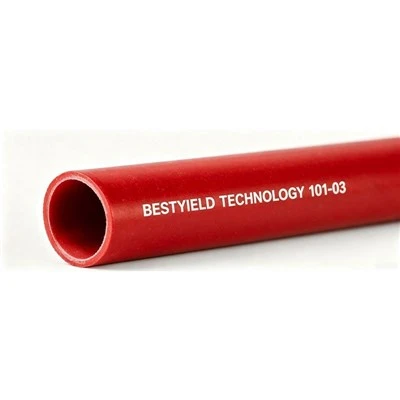
PTFE Tube As a refrigerant hose supplier, I understand the importance of reliable and high – quality hoses for the proper functioning of refrigeration and air – conditioning systems. Our hoses are manufactured to the highest standards, ensuring durability, compatibility, and performance. If you are facing problems with your refrigerant hoses or are in the market for new ones, feel free to contact us for expert advice and to discuss your procurement needs. We are committed to providing you with the best solutions for your refrigeration system requirements.
References
- ASHRAE (American Society of Heating, Refrigerating and Air – Conditioning Engineers) Handbook on Refrigeration
- Manufacturer’s specifications for refrigerant hoses
- Industry standards for refrigeration system maintenance and troubleshooting
BESTYIELD Technology (Huizhou) Co., Ltd.
BESTYIELD Technology (Huizhou) Co., Ltd. is one of the most professional refrigerant hose manufacturers and suppliers in China, featured by quality products and good price. Please rest assured to buy durable refrigerant hose made in China here and get quotation from our factory. Customized orders are welcome.
Address: Yinshan Industrial Zone, Liangjing Town, Huiyang District, Huizhou City, Guangdong Province
E-mail: rick@bestyield.net
WebSite: https://www.bestyield.org/
