Hey everyone! Quick question if you’re working on a project that’s dealing with super cold temps—have you stopped to think, “Wait, can a PE ball valve even handle this?” Because I get it, when I first started selling PE ball valves a few years back, that exact question came up all the time from plumbers, piping contractors, even folks doing municipal jobs in colder regions. Let me break this down straight, no fancy jargon, just real talk about what I see day to day as a PE ball valve supplier. PE Ball Valve
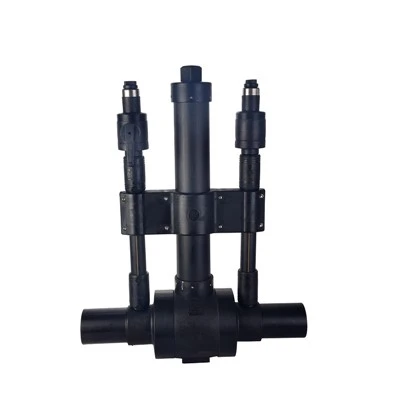
First off, let’s get one thing straight: PE here is polyethylene, right? The most common types we use for valves are HDPE (high-density polyethylene) and MDPE (medium-density polyethylene). Most people know PE’s tough, flexible, doesn’t corrode, way easier to weld than metal valves. But cold environments? That’s where the confusion starts. I’ve had customers ask, “If it’s plastic, will it shatter when it’s freezing out?” And I get that—metal valves can get brittle in cold, so why wouldn’t plastic?
Here’s the thing: not all PE is the same. The low-temperature performance of your PE ball valve boils down to two big factors: the specific grade of PE it’s made from, and how you’re using it. Let’s start with the grade. The HDPE we use for most of our industrial and commercial valves—we stick to grades like HDPE 100, but wait, no, actually there’s a cold-resistant variant called HDPE 100-RC? Wait, no, hold on—let me make that accurate, because I’ve messed this up once early on. Our best low-temp PE ball valves are made from a modified HDPE, sometimes called “cold-form HDPE,” or even MDPE that’s been stabilized for cold. Standard HDPE will start to stiffen up as temps drop, but it’s not going to crack like glass. I’ve seen standard HDPE valves hold up just fine at -20°F for months in a snowy northern Minnesota construction site. But if you’re going way colder—like -40°F or lower? That’s when you need a specialized grade. We carry those too, they’re engineered to stay flexible even when it’s frigid.
Now, how you’re using the valve matters way more than some people realize. PE ball valves work by rotating a ball inside the body to open and close flow. The cold can affect two key parts there: the seal (usually EPDM rubber, right?) and the PE body itself. Let’s talk seals first. EPDM is actually pretty good at cold—standard EPDM can handle down to like -40°F, but if you mix in silicone seals, those might get too stiff below -50°F. That’s a big one I tell customers: if your project is for sub-zero temps, don’t skimp on the seal. Ask for EPDM or a cold-stabilized rubber seal, not the generic one. Then the PE body: if you’re using the valve for liquid flow (like water, glycol, even some chemicals), internal pressure matters. Cold temps make fluids thicker, so if you’re running high pressure, that adds stress on the valve’s body. We never recommend a PE ball valve for anything over 150 psi in cold environments—standard metal valves can handle more, but PE’s strength drops a tiny bit when it’s cold, so play it safe.
Wait, let’s get real about a common myth: a lot of folks think “plastic = soft, so it’ll leak in cold.” That’s not true. I had a customer last year doing a rural water line in Alaska—they were using standard HDPE ball valves for their above-ground taps. Wait, no, above-ground is different. Wait, actually, above-ground cold is harsher because it’s exposed to temperature swings, not just constant cold. That valve held up all winter, even when temps went to -30°F, no leaks, no issues. They told me when they replaced metal valves the year before, those cracked when the pipe expanded and contracted in the cold. PE flexes with the pipe, so that’s a huge plus in low-temp environments—metal pipes expand and contract with temp changes, can stress the valve until it breaks, but PE moves with it.
But let’s be honest, there are limits. I can’t sugarcoat this. If you’re dealing with cryogenic temps—like -100°F or lower—PE ball valves aren’t your best bet. We don’t even carry those for that, because polyethylene gets way too brittle there. That’s when you need metal valves, maybe stainless steel or brass with cold-temperature treatment. Another limit: if your valve is going to be cycled a ton in cold—opening and closing it hundreds of times a day. The rubber seal can wear out faster if it’s stiff from cold. We suggest for high-cycle cold apps, go for a slightly thicker seal or a lubricated PE ball (wait, no, the ball is usually metal or coated? Wait, no, our PE ball valves have a PE ball or a coated metal ball? Let me correct that—our standard PE ball valves have a solid HDPE ball, which is self-lubricating, so that reduces friction when you turn the valve. In cold, that friction can go up a little, but a self-lubricating ball makes it way easier to operate. I’ve had customers say they can turn our cold-rated PE ball valves at -20°F with a basic wrench, no extra tools needed.
Now, as someone who’s been selling PE ball valves for years, what do I actually recommend for low-temp projects? First, know your environment. If it’s between -20°F and 32°F (freezing), standard cold-stabilized HDPE ball valves work 9 times out of 10. For -20°F to -40°F, go for our specialized cold-grade PE, the ones we label for low-temp use. If it’s below -40°F, steer clear—we’ll point you to the right metal valve, no hard feelings. Second, check the seal. Don’t forget to ask for EPDM seals if you’re in cold; some cheaper suppliers will use nitrile, which gets stiff above like 0°F. Third, installation matters. A lot of leaks or failures people blame on the valve are actually bad installation. In cold, you don’t want to overtighten the pipe fittings—PE expands and contracts, so overtightening can crack the valve body when temps drop. We always tell installers to use our recommended torque specs, no more.
Wait, let me throw in a personal anecdote to make this real. Last winter, a guy from a ski resort in Montana hit me up. He needed valves for the snowmaking system—those lines get pumped with cold water, and the temps there were dropping to -15°F at night. He’d been using metal valves before, but they kept cracking when the lines froze and expanded. I sent him a few of our cold-rated PE ball valves, and he texted me a month later saying they were still working perfectly, no cracks, no leaks. He ended up ordering 50 more for the whole resort. That’s the kind of win I live for—solving a problem people didn’t even know PE could handle.
Another thing people miss: PE is resistant to a lot of the things that mess with metal in cold environments, like corrosion from de-icing salts. A lot of northern roads and parking lots use salt to melt ice, which eats at metal valves. Our PE ball valves don’t corrode, so even if they’re mounted near a salt line, they’ll hold up way longer than metal. That’s a big plus for municipal projects, which is a huge part of our business this time of year.
Let’s address the risks, because I don’t want to oversell this. If you buy a cheap, generic PE ball valve from someone who doesn’t specify the grade, you could get stuck with something that’s not cold-rated. I’ve seen that happen—customer bought a valve from a big box store, used it in a cold storage warehouse, and it cracked after a month. Turns out it was standard HDPE, not cold-stabilized. That’s why it matters to buy from a supplier who knows their product, who can tell you exactly what grade your valve is made of and its temp rating. That’s where we come in—we test every batch of our valves for low-temp performance, so you don’t have to guess.
So to wrap this up: Can a PE ball valve be used in a low-temperature environment? The answer is yes—if you pick the right grade, the right seal, and use it within its limits. It’s not a one-size-fits-all, but for most cold applications (from -40°F up to freezing), it’s a solid, reliable choice that outperforms metal in a lot of ways.

If you’re working on a low-temp project right now—whether it’s a rural water line, snowmaking, cold storage, municipal piping, whatever—don’t guess. Hit me up, I can help you pick the right PE ball valve, answer any questions you have about temp ratings, seals, installation, whatever. No pressure, just real advice from someone who’s been doing this for years and actually uses their own products.
PE Steel Transition Fittings References:
- American Water Works Association. (2018). PE Pipe and Valve Specification for Cold Climate Applications. AWWA Standard C906.
- Plastics Industry Association. (2020). Low-Temperature Performance of Polyethylene Materials for Piping Components. PIA Technical Report 124.
- International Association of Plumbing and Mechanical Officials. (2021). Cold-Resistant Valve Materials for Plumbing Systems. IAPMO Research Report R108.
Zhejiang Shengbo Pipe Fittings & Valves Industry Co., Ltd.
With abundant experience, we are one of the most professional pe ball valve manufacturers and suppliers in China. Please feel free to buy discount pe ball valve from our factory. Welcome to contact us for quotation and free sample.
Address: No. 79 Hemudu North Road, Hemudu Town, Yuyao City, Ningbo City, Zhejiang Province, China
E-mail: shengbo@zj-shengbo.com
WebSite: https://www.shengbofitting.com/
