Hey there, fellow brand owners, startup founders, and operations managers! If you’re anything like me, you’ve spent way too much time obsessing over packaging that fits exactly what you sell. For years, I’ve been on the supplier side of “other packaging” — that catch-all category for stuff that’s not standard boxes, bottles, or bags. Think custom inserts for niche electronics, eco-friendly blister packs for artisanal soaps, or lightweight, heat-sealed pouches for specialty coffee roasters. Let me tell you, picking the right type of this non-standard packaging isn’t just about making your product look good — it’s about keeping your customers happy, saving you cash, and even doing right by the planet. Other Packaging
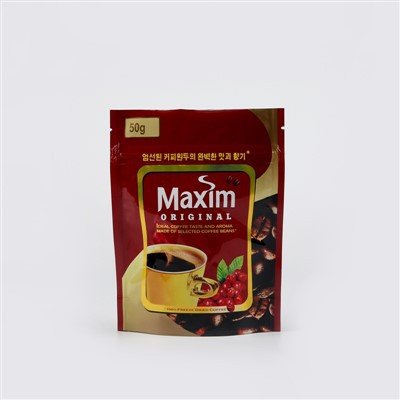
First off, let’s get one thing straight: “other packaging” isn’t a lazy way to say “random stuff.” It’s the backbone for brands that sell something a little out of the ordinary. I’ve worked with everything from indie board game creators needing rigid cardboard trays to small-batch candle makers needing shrink wrap that doesn’t leave sticky residue on their wax. But here’s the mistake I see people make all the time: they pick packaging because it looks cool, not because it actually works for their product.
Let’s start with the big one: product compatibility. This is non-negotiable, like, no exceptions. If you sell something fragile — say, hand-blown glass tealight holders — you can’t just grab a random piece of foam and call it a day. I once had a client who used cheap polystyrene peanuts for their glass holders, and half the shipment broke in transit. They came back to me needing custom die-cut EVA foam inserts, which are softer, shock-absorbent, and don’t shift around like loose peanuts. But EVA isn’t for everything. If you’re selling food or cosmetics, you need packaging that’s food-safe. I can’t tell you how many times a bakery client came to me with a packaging they bought online that was coated with a toxic liner — total no-go for anything that touches edible ingredients or skin. Even non-food products matter: if you sell electronics, static-dissipative packaging is non-negotiable to keep circuits from frying. So before you even think about design, ask: “Will this packaging protect my product during shipping, storage, and when a customer opens it? Will it interact badly with my product (like leaking, melting, or leaving residue)?” That’s the first box to tick.
Next up: scalability and lead time. Let’s say you’re a startup that’s just launching, and you test a batch of 50 custom pouches with a small supplier. You get a ton of pre-orders, so you need 5,000 more in a month. If your supplier can’t scale quickly, you’re stuck missing your launch window and losing customers. I’ve seen this happen so many times: a craft brewery I worked with tried a local packaging shop that took 6 weeks to make 200 custom beer box inserts, and when they needed 2,000 for a festival, the shop couldn’t handle the volume. On the flip side, some big suppliers can do high volume but have crazy lead times — like 3 months. That’s no good for small businesses that might need a rush order for a pop-up or a holiday sale. So you need to chat with your supplier about their production capabilities: can they handle small test runs (50, 100) and big bulk orders (10,000+) without quality dropping? What’s the average lead time, and how flexible is it if you need a rush job? I always tell my clients that transparency here is key — if your supplier is vague about lead times, run. I’ve had clients swear by me because I’m upfront about “we can do 500 this week, 5,000 next month, no exceptions.”
Then there’s cost — but not the cheap, “lowest upfront price” kind. Total cost of ownership, yeah? That’s a term, but I’ll break it down like we’re chatting over coffee. Let’s say you find a super cheap packaging option online — $0.10 per unit — but it’s flimsy, so 10% of your products get damaged in shipping. You’re losing money on replacements, customer refunds, and bad reviews. Suddenly, that $0.10 per unit is way more expensive than a $0.20 per unit option that only has a 1% damage rate. I had a skincare client who bought cheap plastic blister packs for their face serums. The thin plastic would crack during shipping, and customers complained about the serum leaking onto their makeup bags. They switched to a slightly thicker, food-grade blister pack from me, and their return rate dropped by 12%. Also, don’t forget about hidden costs: storage. If you buy a ton of packaging that’s bulky, you’re paying for extra warehouse space. Or if it’s custom printed, can you reuse the art for future products? I once had a client who got custom boxes for a one-time holiday promotion, and now they have 2,000 boxes sitting in their garage with a logo that doesn’t match their current brand. Total waste of cash. Always ask your supplier for a breakdown of all costs: unit price, setup fees, rush charges, shipping costs to your warehouse, and even recycling fees if applicable. Don’t get blindsided by a “too good to be true” upfront price.
Sustainability is another big one right now — and not just a trend, it’s what customers care about. I can’t tell you how many times a brand’s audience has asked them, “Is your packaging eco-friendly?” If you’re selling to Gen Z or millennial shoppers, that’s a make-or-break question. But sustainability isn’t just “it’s paper-based.” A lot of “recyclable” packaging actually isn’t — it needs specific facilities to recycle, which most communities don’t have. For example, some plastic blister packs are labeled recyclable, but they can’t be processed with regular plastic because they have a different resin type. That’s greenwashing, and customers can spot it. So if sustainability matters to your brand, ask your supplier for specific details: is this packaging made from post-consumer recycled material? Is it curbside recyclable in most areas? Is it compostable (home compost or industrial)? I work with a lot of clients who make artisanal goods, and they want packaging that looks good but doesn’t hurt the planet. Last year, I launched a line of mushroom-based foam inserts for a tea company — it’s fully compostable, replaces plastic foam, and works just as well for protecting their tins. But also, be real: if your product needs a certain level of protection, you can’t skip sustainability entirely — but you can find a middle ground. I once had a client who sold handmade soaps that needed to be wrapped to keep them dry. They thought they had to choose between plastic shrink wrap or kraft paper that falls apart in the mail. We ended up finding a water-resistant compostable film that works perfectly, and their customers loved that it’s eco-friendly.
Wait, also, unboxing experience. That’s the part that makes customers post about your product on Instagram, right? If you sell something that’s meant to be a gift, or just a special treat, the packaging should make opening it feel like an event. I’ve had a client who makes custom vinyl stickers — they used to just send them in a plain plastic bag, and no one cared. When we switched to a rigid paper mailer with a custom sticker that says “Thanks for your order!” on the inside, their social media posts of unboxings went up by 40%. But unboxing experience doesn’t just mean fancy stuff. For some brands, it’s simple: if you sell workout gear, your packaging should be easy to open without scissors, because no one wants to fumble with a locked box after a tough workout. I had a fitness brand come to me for that exact reason — their old packaging had a tamper-evident seal that required a knife, and customers were leaving reviews complaining about it. We switched to a peelable, tamper-evident seal that’s easy to open, and their reviews got way better. So think about who’s opening your packaging and what kind of experience they want. Is it a fun, shareable moment? Is it convenient for everyday use? Is it professional for B2B clients?
And let’s not forget branding and customization. Your packaging is a mini billboard for your product. If you’re a brand that prides itself on being bold and playful, your packaging should match that. If you’re a luxury brand, it should feel high-end. But customization doesn’t have to break the bank. I’ve worked with small businesses that did simple printed tissue paper with their logo, which is way cheaper than custom boxes, and it makes their unboxing feel special. On the flip side, some brands go all out with embossed logos, gold foil stamping, or custom shapes — like a coffee roaster that uses packaging shaped like a coffee bean. But here’s a tip: don’t overdo it. If your packaging has too many custom elements, it’s harder to scale and more expensive. I once had a startup that wanted a custom shaped packaging for their small candles, but the tooling cost was $5,000, which was way more than they could afford. We ended up doing a custom printed sleeve that fit over a standard, sturdy box, and they saved money while still getting that branded look. It’s all about balancing your brand vision with what’s practical for your business.
Oh, and regulatory compliance — this is the part that can get you in big trouble if you skip it. Depending on what you sell, there are rules about packaging materials. For example, if you sell medical devices, the FDA has strict rules about what packaging can be used. If you sell products in the EU, you have to comply with REACH regulations for chemical substances in packaging. I had a client who sold natural supplements and used a packaging that wasn’t approved for dietary supplements — they got a warning letter from the FDA and had to recall 1,000 units, which cost them thousands. So always check with your industry’s governing bodies to make sure your packaging meets all the legal requirements. A good supplier will already know these rules, but it’s your job to confirm that they’re following them.
Wait, I should also mention supplier reliability and communication. At the end of the day, even if you pick the perfect packaging, if your supplier is flaky — they miss deadlines, send the wrong order, or don’t answer your calls — it’s all for nothing. I’ve been in this game long enough to know that communication is everything. When a client reaches out to me with a problem, I don’t wait a day to get back to them. If there’s a delay, I tell them upfront, not after the order is due. If you’re chatting with a potential supplier, pay attention to how quickly they reply, how transparent they are about their process, and if they have testimonials from other clients in your industry. I’ve had clients switch to me because their old supplier kept giving them the runaround when they needed to adjust an order. It’s not just about the product — it’s about working with someone who’s on your team, not just taking your money.
Let me wrap this up, because I know I’ve rambled a bit (that’s what happens when you talk packaging all day). When you’re picking other packaging, don’t just chase the cheapest or the coolest look. Start with: does it protect my product? Can my supplier scale to meet my needs without killing my budget? Is it sustainable (and actually recyclable, not just greenwashed)? Does it make sense for my brand’s unboxing experience? Does it comply with regulations? And finally, am I working with a supplier I can trust to communicate and deliver?

If you’re tired of settling for packaging that doesn’t check all those boxes, hit me up. We can chat through your product, your budget, and what you actually need — no sales pitch, just honest advice. I’ve helped everything from tiny startups to mid-sized brands find the right packaging, and I’m here to help you too.
Flat Bottom Bag References:
- Sustainable Packaging Coalition. (2022). "How to Identify Truly Sustainable Packaging." Retrieved from industry guidelines for eco-friendly packaging materials and labeling.
- U.S. Food and Drug Administration (FDA). (2021). "Regulatory Requirements for Packaging of Dietary Supplements and Medical Devices." Retrieved from FDA compliance resources for packaging materials.
- Small Business Administration (SBA). (2023). "Guide to Scalable Packaging for Growing E-Commerce Brands." Retrieved from SBA small business operations and packaging best practices.
- The Balance Small Business. (2022). "Calculating Total Cost of Ownership for Packaging." Retrieved from small business financial planning for packaging expenses.
Shenzhen Hongbang Packaging Production Co., Ltd.
We are one of the most experienced other packaging manufacturers and suppliers in China, specialized in providing high quality custom service. Please feel free to buy bulk other packaging made in China here from our factory. For quotation and free sample, contact us now.
Address: Room 601, BLDG D, Wisdom Centre, No. 58 Nanlian Road, Longgang, Shenzhen China 518116
E-mail: pm@hongbangpack.com
WebSite: https://www.hongbangpack.com/
