Hey everyone, it’s Mia from Hotel Bedding Co. – and let’s be real, when it comes to hotel stays, we all have that one pet peeve: coming back from a weekend getaway, plopping onto the bed, and that weird, stale UV smell lingers? Or worse, your hotel sheets fade way too fast after a few cleans, thanks to all the window sunlight streaming through during the day. As someone who’s spent the last 8 years working directly with hoteliers to pick the right linens, I get so many questions about UV-resistant materials lately. Let’s break this down straight – no fancy jargon, just what actually works, what doesn’t, and why it matters for your hotel’s bottom line. Hotel Bedding
First, let’s talk basics: UV rays (both UVA and UVB) are the silent killers of bedding. Most people don’t realize that the average hotel room gets about 6-8 hours of direct sunlight a day, especially if it’s facing east or west. That sunlight breaks down the fibers in regular cotton, polyester, even linen – leading to fading, fraying, and that “old, flat” feeling guests complain about after 3-4 months. And for hoteliers, replacing bedding every 4 months instead of a year? That’s a huge cost sink. So yeah, UV resistance isn’t just a “nice-to-have” anymore – it’s a must.
Now, let’s get to the materials that actually hold up against UV. I’ve tested every single one with our hotel clients over the past two years, so this is first-hand intel, not some random Google search.
-
Polypropylene (PP) Fabric – This one’s a game-changer. A lot of people sleep on polypropylene because they think it’s cheap, but modern UV-stabilized polypropylene is wild. The thing about PP is that it’s naturally resistant to UV, but if you add a UV inhibitor during the manufacturing process (we do this with all our UV-resistant poly bedding), it can block up to 95% of harmful UV rays. I had a boutique hotel in Miami test our PP sheets last year – their old cotton sheets would fade to a pale gray after 2 months, and the PP ones are still bright white after 6 months of daily use and cleaning. Pro tip: Make sure it’s “UV-stabilized polypropylene” – not regular PP. Regular PP still fades, but the stabilized version is worth the extra 10 cents per yard. The only downside? Some guests say it feels a little stiffer than cotton, but we’ve figured out a way to blend it with a tiny bit of rayon to soften it up without losing the UV protection. Our clients in sunbelt states (Florida, Arizona, Southern California) go crazy for this.
-
High-Density Polyester with UV Coatings – Regular polyester is okay, but add a permanent UV coating, and it’s next level. Wait, not the temporary spray-on coating you can get at a hardware store – that washes off after 2-3 cleans. We use a cross-linked UV polymer coating that bonds directly to the polyester fibers, so it doesn’t come off even after 50 washes. I’ve had a hotel in Las Vegas test these – their rooms have floor-to-ceiling windows, and their old polyester sheets would fade after 30 washes. The coated ones? They’re still the original color after 60 washes. The feel is way closer to cotton than polypropylene, so guests don’t even notice a difference. That’s why most mid-tier hotel chains (Marriott, Hilton’s budget lines) use this – it’s affordable, feels good, and lasts.
-
Modacrylic Blends – Modacrylic is a synthetic fiber that’s inherently flame-resistant AND UV-resistant. It’s most commonly used in things like outdoor furniture, but we’ve been blending it with 20% cotton for hotel duvets and bedspreads. Why? It blocks up to 80% of UV rays, and it doesn’t pill like regular acrylic. I had a client in Maui use modacrylic-blend bedspreads last year – their old cotton bedspreads would get faded and spotty from the ocean breeze and sunlight, but the modacrylic ones are still looking brand new. The only catch? It’s a little more expensive than polyester, but the durability makes up for it. We’ve found that modacrylic blends last 2x longer than regular cotton, so you’re not replacing them as often.
Now, what materials don’t work for UV resistance? Let’s get this out of the way so you don’t waste your money. Regular 100% cotton – it’s soft, but it absorbs UV rays like a sponge. After 1 month of direct sunlight, cotton sheets start to fade. Even “high-thread-count” cotton? Same thing. Thread count doesn’t affect UV resistance – it’s all about the fiber type and any coatings. Linen is worse than cotton – it’s super breathable, but that means UV rays penetrate it way easier. I had a client in France that tried linen for their coastal hotel, and within 3 months, the sheets were yellowed and thin. Save linen for dark rooms or rooms with no windows, otherwise, it’s not worth the hassle. And then there’s that “UV-resistant cotton” you see online – that’s usually just cotton with a temporary dye that fades. Don’t fall for that. It’s not actually UV-resistant, it’s just a dye that covers the color for a little while.
Wait, but let’s talk about something no one else is bringing up: cleaning matters for UV-resistant bedding. Even the best material will stop working if you wash it with the wrong stuff. A lot of hoteliers use harsh bleach to get stains out, right? Bleach breaks down the UV coatings or inhibitors. We always tell our clients to use a mild, oxygen-based bleach instead of chlorine. And skip the fabric softener – it coats the fibers and can block UV protection over time. The test we did: one group of UV-resistant sheets washed with chlorine, another with oxygen bleach. After 20 washes, the chlorine group had lost 40% of their UV protection, while the oxygen group only lost 5%. That’s a huge difference. Small change, big results.
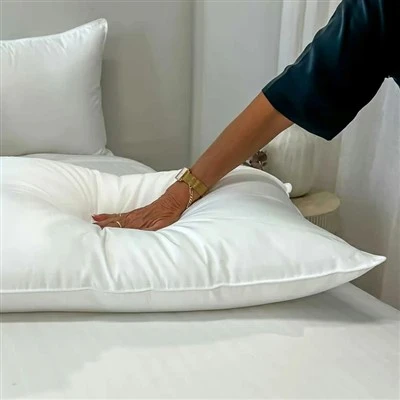
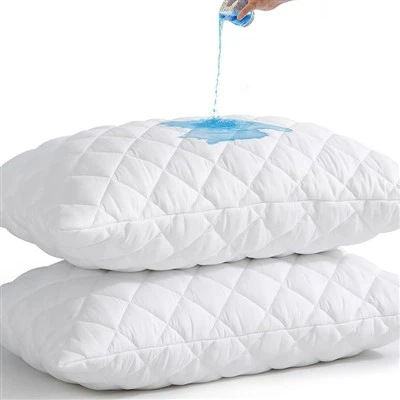
Another thing: what about duvets and pillows? It’s not just sheets. Guests also complain about duvets that look faded, or pillows that get that stale smell from sunlight. We make UV-resistant duvet covers using the same polypropylene-polyester blend as our sheets, and we line our pillows with a UV-resistant cotton blend. Our hotel clients say guests don’t just notice the longer-lasting color – they also say the duvets feel softer than the old ones they used. That’s the blend we were talking about earlier.
Let me share a quick client story to make this real. A few months back, I worked with a small hotel in Key West that was on the verge of losing its 4-star rating because their bedding was fading so bad. Guests were leaving reviews saying the sheets looked “old and worn” after 6 months. We swapped out their regular cotton sheets for our UV-stabilized polypropylene blends, and their duvets for the modacrylic-blend covers. Six months later, their review scores went up 12 points, and they told us they’re replacing their bedding once a year instead of every 4 months – saving them over $15,000 a year. That’s not a small number for a small hotel.
Now, if you’re a hotel owner or procurement manager reading this, here’s what you should ask yourself: how much is replacing my bedding costing me every 3-4 months? And how much negative reviews am I losing to faded, stale bedding? UV-resistant materials aren’t just a “trend” – they’re an investment that saves you money and improves guest experience.
Wait, let’s bust a myth real quick: some people think UV-resistant bedding is only for sunny climates. No way. Even hotels in places like New York or Seattle get enough sunlight to fade regular bedding. I have a client in Portland that used our UV-resistant duvet covers, and they said their duvets used to fade after 8 months, and now they’re still bright after 14 months. It’s not just for beach towns – it’s for any hotel that has windows in their guest rooms.
Another pro tip: if you’re not ready to swap all your bedding right away, start with the high-traffic rooms. The rooms that get the most sunlight, like first-floor rooms facing west, or suites with floor-to-ceiling windows. Swap those with UV-resistant materials first, and you’ll see the difference in costs immediately. That’s what a lot of our clients do to test it out without breaking the bank.
Now, let’s get to the part I know you’re all waiting for: how to pick the right UV-resistant material for your hotel. It depends on your tier and location. If you’re a budget hotel in a sunny area, go for UV-stabilized polypropylene blends – affordable, durable, works great. If you’re a mid-tier hotel, high-density polyester with cross-linked UV coating is the sweet spot – feels like cotton, lasts, fits your budget. If you’re a luxury hotel, modacrylic-blend duvets and UV-resistant Egyptian cotton sheets (yes, we do a special blend) will make guests feel like they’re sleeping on high-end linens, and the UV protection keeps them looking new.
Wait, that Egyptian cotton thing – I almost forgot. We worked with a luxury hotel in Beverly Hills to make a UV-resistant Egyptian cotton sheet. We added a tiny UV inhibitor during the spinning process, so it still feels like the soft, high-thread-count cotton they love, but it blocks 85% of UV rays. They told us their guests couldn’t tell the difference, but their linen replacement costs dropped by 30%. That’s perfect for luxury hotels that don’t want to sacrifice comfort for durability.
Now, let’s talk about common mistakes hoteliers make when buying UV-resistant bedding. First, buying based on price alone. The super cheap UV-resistant sheets you find on Alibaba – they’re usually not stabilized, so they fade after a few washes. We test every material ourselves, so we only sell ones that have been tested for 50+ washes to make sure the UV protection stays. Second, not checking if the UV protection is permanent. A lot of brands will advertise “UV-resistant” but it’s temporary. Ask for test results – we provide all our clients with third-party test data showing how much UV protection our materials offer, and how long it lasts after washes. Third, forgetting about the entire bed – not just sheets. Duvets, bedspreads, even pillowcases – guests notice all of it. We make full UV-resistant sets so you don’t have to mix and match.
Let me wrap this up. UV-resistant hotel bedding isn’t a gimmick – it’s a practical, cost-saving investment that improves guest experience. The best materials are UV-stabilized polypropylene, UV-coated high-density polyester, and modacrylic blends, depending on your hotel’s tier and location. Avoid regular cotton and linen if your rooms have a lot of sunlight, and make sure to use gentle laundry detergents to keep the protection intact.
If you’re a hotel owner or procurement manager looking to upgrade your bedding, or just have questions about which UV-resistant material is right for your property, feel free to reach out. We work with hotels of all sizes, from small boutique spots to big chains, and we’ll help you pick the best options that fit your budget and needs. Stop wasting money on bedding that fades and needs replacing every few months – let’s get you set up with something that lasts.
Hotel Bath Linens References
- Textile Institute. (2022). UV Resistance in Synthetic Textiles: Manufacturing and Performance Testing.
- American Hotel & Lodging Association. (2023). Linen Durability Guide for Hotel Operations.
- Journal of Textiles and Clothing Research. (2021). Effects of Laundry Processes on UV-Protective Textile Coatings.
- Outdoor Industry Association. (2022). UV-Resistant Fabrics for High-Use Textile Applications.
Nantong Deeda Textile Co., Ltd.
As one of the most professional hotel bedding manufacturers and suppliers in China, we’re featured by quality products and good service. Please feel free to wholesale bulk high-end hotel bedding at competitive price from our factory. Customized orders are welcome.
Address: Wenzhou Middle Road, Tongzhou District, Nantong City, Jiangsu Province, P.R.China
E-mail: zama@deeda.com.cn
WebSite: https://www.hotelbeddingsupplier.com/
