Hey folks, if you’re running a steam boiler—whether it’s for a food processing plant, a small manufacturing shop, or a commercial laundry—you know the sight glass is non-negotiable. It’s that tiny glass tube (or sometimes a plastic one, but we only supply heavy-duty borosilicate glass for our boilers) that lets you check water level at a glance, right? Mess with this, and you’re asking for trouble: low water level can warp your boiler’s heat tubes, high water can carry water over into your steam lines and ruin product or equipment. I’m part of the steam boiler supply team that’s installed hundreds of these units over the years, so let’s cut the jargon and talk about how to keep that sight glass working like it should. This isn’t just a “wipe it down once a month” job—there’s a method, and skipping steps will get you a false reading that costs you cash or safety. Steam Boiler
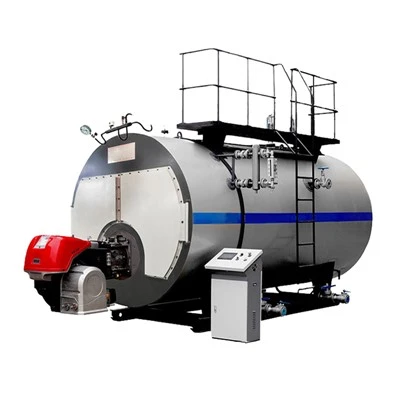
First, let’s start with the basics most people miss: pre-checks before even touching the sight glass. You can’t fix or clean a hot, pressurized sight glass. Seriously—you gotta lock out the boiler power, drain the pressure slowly, and let everything cool for at least an hour. I’ve seen guys rush this and end up with steam burns or a cracked glass, and that’s a trip to the ER no one needs. Pro tip: tape the power switch off with a “DO NOT OPERATE” tag so no one hits it while you’re working. Also, grab safety goggles and heat-resistant gloves—borosilicate glass is strong, but if it breaks when you’re loosening fittings, it can slice you. And make sure you have the right tools: a adjustable wrench (not a pipe wrench, which can round off fitting nuts), a soft brush (like a nylon toothbrush, not a metal one that scratches glass), and non-abrasive cleaner. We always recommend our boiler-specific cleaning spray, but a mix of warm water and mild dish soap works too—no harsh chemicals that can etch the glass over time.
Next, the daily and weekly checks that catch issues early. You don’t need to be on site 24/7, but a 2-minute check every shift can save big. First, confirm the water level matches the boiler’s gauge reading—they should be dead even, if there’s a ½-inch gap, that’s a red flag. Then, look for “fogging” or streaks on the glass: that’s mineral buildup from hard water, which clouds the view and hides the true level. If it’s foggy, don’t wait for your monthly service—address it that week. Also, check the fittings at the top (steam connection) and bottom (water connection) of the sight glass. If there’s a leak—even a tiny drip—tighten the nut a quarter-turn max. Over-tightening is how you crack the glass, I’ve seen it so many times. A slow drip after a quarter-turn? No problem, we supply replacement packing rings for that—they’re cheap and easy to swap without taking the whole glass apart.
Now the deep clean: this is the big one most people mess up. You’ve gotta “blow down” the sight glass first, right? Wait, no—wait, if the boiler’s cooled, the correct way to blow down is to open the drain valve on the bottom of the glass first, then slightly crack the top steam valve. This flushes out all the gunk and sediment that’s settled in the bottom. If you do this wrong—like opening the top valve too fast—you can send hot water or steam flying. We’ve trained our customers to do this slowly, and it’s a step that’s covered in every one of our installation guides, but I’ll say it again: take it easy. Once the drain water runs clear, close the drain valve, then check that the level rises quickly when you open the water feed to the glass. If it doesn’t, that means the bottom connection is clogged—time to remove the glass.
When you remove the glass, don’t just yank it out. Loosen the top and bottom nuts evenly, a quarter-turn each, so the glass doesn’t twist and crack. Once the nuts are off, pull the glass straight out—don’t tilt it, that can chip the edges. Now, inspect the glass for cracks or chips, even tiny ones. A micro-crack might not leak right now, but under boiler pressure, it’ll split and spray hot water. We sell replacement glasses for all our units, so stock a spare if you can—cheaper than a emergency shutdown. Now, clean the glass: use that soft brush with warm soapy water, gently scrub the inside and outside. If there’s thick limescale buildup, soak the glass in a 50/50 mix of white vinegar and warm water for 15 minutes first, then scrub. Never use a razor blade or metal scraper—they’ll leave scratches that get worse every time you clean. Wipe it dry with a microfiber cloth, not a paper towel, which leaves lint that sticks and clouds the view.
Once the glass is clean, it’s time to reinstall it. First, check the packing rings (the rubber or fiber seals between the glass and the fittings). If they’re cracked or flat, swap ’em out—old rings can cause leaks. Slide the glass into place, make sure the alignment pins line up with the fitting holes (that’s a common mistake—sliding it sideways instead of straight, which twists the glass). Then, tighten the top and bottom nuts evenly, only by hand first, then use the wrench for a quarter-turn more. No cranking—if it’s too tight, the glass will break when the boiler heats up and expands. Now, do a pressure test: slowly open the top steam valve and bottom water valve, wait 10 minutes, and check for leaks. If there’s a leak, tighten the nuts another 1/8-turn max—still no more than that. If it still leaks, check the packing ring, it’s probably worn out.
Then, the long-term maintenance stuff that’s easy to forget. Every 6 months, do a full inspection: check the entire sight glass assembly for rust on the fittings, replace all packing rings, and test the blowdown valves to make sure they don’t stick. Also, keep track of your boiler’s water quality. Hard water causes limescale buildup, which is the #1 reason sight glasses fail. If your water is super hard, install a water softener—we can help you pick the right one for your boiler size. And if you notice the level reading is always off, even after cleaning, that means one of the connections is partially clogged, so you’ll need a professional to take it apart. We offer annual maintenance checks for all our boilers, so if you’re not comfortable doing this yourself, just reach out—no charge for a quote.
Wait, let’s talk about common mistakes we see all the time. First, ignoring fogging. A lot of guys think “it’s just a little cloud, it’ll go away,” but that cloud is limescale building up, and eventually, you won’t be able to see the water level at all. That’s a disaster. Second, over-tightening the glass. I’ve had customers call us at 2 a.m. because their glass broke, and 9 times out of 10, they cranked the nuts too tight. Third, not locking out the boiler before working. One of our former customers tried to clean the sight glass while the boiler was pressurized, and the glass shattered, sending shards into his arm. He was out of work for 6 weeks, and his plant lost 3 days of production. Don’t be that guy.
Another quick tip: if your sight glass is plastic (we don’t recommend these, by the way—they break easier and don’t hold up to high temperatures), never use hot water or harsh cleaners on it. Stick to warm soapy water, and replace it every 6 months. Our glass ones last 2-3 years with proper care, so it’s worth investing in the right part when you buy your boiler.
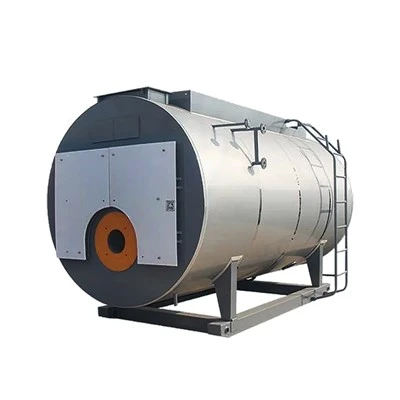
At the end of the day, maintaining a sight glass isn’t hard, but it’s consistent. It’s like changing your car’s oil—do it on schedule, and your boiler runs smooth, skip it, and you’re paying for big repairs. If you’re in the market for a new steam boiler, or you need to replace your sight glass parts, our team is here to help. We don’t just sell units—we support them, from installation to regular maintenance, so you don’t have to worry about that sight glass giving you issues. Whether you’re a small shop owner or managing a large industrial facility, we can find the right solution for your needs. Shoot us a message to start a procurement conversation, and we’ll walk you through everything—from picking the right glass to setting up a maintenance schedule that works for you.
Gas Steam Boiler References:
- International Boiler Codes. (2022). ASME Boiler and Pressure Vessel Code: Sight Glass Assembly Requirements. American Society of Mechanical Engineers.
- Steam User’s Association of America. (2021). Sight Glass Maintenance Best Practices for Industrial Steam Systems. SUAA Technical Bulletin Series.
- U.S. Occupational Safety and Health Administration. (2020). Lockout/Tagout Procedures for Pressure Equipment Maintenance. OSHA 3120 Guide.
Xinxiang Huayuan Container Equipment Co., Ltd.
With abundant experience, we are one of the most reliable steam boiler manufacturers and suppliers in China. We warmly welcome you to buy durable steam boiler made in China here from our factory. If you have any enquiry about cooperation, please feel free to email us.
Address: No.2, South Road, Industrial Cluster Zone, Genghuang Township, Fengquan District, Xinxiang City, Henan Province
E-mail: cncd527@gmail.com
WebSite: https://www.huayuanequipment.com/
