Hey everyone, if you’ve ever worked on a plumbing project, a heating system, or even some industrial machinery, you’ve probably heard someone throw around the term “bronze globe valve” — but what is it actually, and why does it matter so much? As a globe valve supplier, I get questions about this all the time, so let’s break it down like I would for a new installer or someone just trying to wrap their head around how flow control works. No stuffy jargon, just real talk about what these valves do, why bronze is the go-to metal for them, and when you’d actually want to use one over other types of valves. Globe Valve
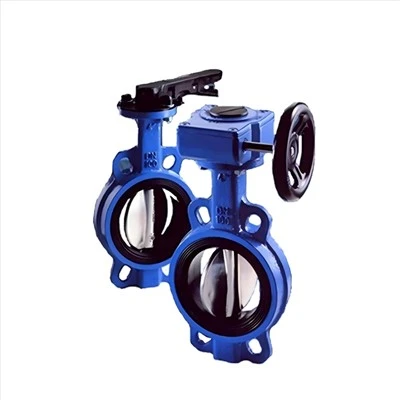
First off, let’s start with the basics: a globe valve is a type of flow control valve that uses a movable disc (that’s the “globe” part, by the way — the disc sits on a shaped seat inside the valve body, making that rounded, globe-like structure when closed) to regulate, start, or stop fluid flow through a pipe. Unlike a ball valve, which just spins a quarter-turn to open or close, or a gate valve that slides a big wedge up and down, globe valves are all about precision. That’s their superpower, honestly. You don’t just get an on/off switch — you can crack it open a little, or almost close it, to tweak how much water, oil, or whatever fluid is moving through the pipes. That’s why they’re so common in places where you need fine-tuned control, not just something that turns all the way on or off.
Now, bronze is the material that makes these valves stand out from other globe valves you’ll find — like cast iron, steel, or even PVC for small plumbing jobs. Bronze is an alloy of copper and tin, sometimes with a little other metals added depending on the grade, and it’s been used for plumbing and industrial parts for thousands of years for a reason. Let’s get real about the pros here, because this isn’t just a marketing thing. First, bronze is corrosion-resistant. Way more than cast iron, anyway. If you’re running water through pipes, especially hot water (like in a home’s heating system or a commercial boiler setup), cast iron can rust over time, which gets that brown, gritty gunk in your pipes. Bronze? It holds up way better against water, even water with a little bit of minerals or chemicals in it, without corroding. That means fewer leaks, less maintenance, and a longer lifespan for the valve itself.
Next, bronze is durable but machinable. If you’ve ever worked with metal parts, you know some metals are impossible to shape smoothly, but bronze is easy to machine into that tight disc-and-seat setup globe valves need. The seal between the disc and the seat has to be super tight if you want the valve to shut off completely, or smooth if you want it to regulate flow. Bronze lets us (as a supplier) make those parts with precise, consistent tolerances, so you don’t get a valve that leaks when it’s supposed to be closed, or gets stuck open and can’t adjust.
Wait, but let’s be fair — bronze isn’t perfect. It’s not as strong as steel for really high-pressure or high-temperature applications, right? If you’re dealing with something like a chemical plant with 1,000 PSI and temps over 500°F, you’d go with a steel globe valve, no question. And it’s a little pricier than cast iron too, though the longer lifespan often makes up for that over time. But for most low-to-medium pressure, moderate temp jobs, bronze is the sweet spot. That’s where these valves shine.
Now, let’s talk about how they work, because it’s actually simpler than you might think once you see it (or install it). The top of the valve has a handwheel — that’s the part you turn, right? When you spin the handwheel clockwise, it pushes down on a stem, which drives the disc straight down onto the seat inside the valve body. Tighten it all the way, and the disc seals against the seat, blocking flow completely. Spin it counter-clockwise, and the disc lifts up off the seat, opening up a gap for fluid to flow through. The cool part is that the more you spin it open, the higher the disc lifts, so you can control the flow rate exactly how you need. Need just a little water to trickle into a radiator? Open it a quarter-turn. Need full flow for a quick fill? Open it all the way. That precision is why globe valves (and especially bronze ones) are the go-to for things like radiator loops, boiler feed lines, plumbing for homes and small commercial buildings, and even some chemical processes where you don’t need super high pressure.
Wait, also — important to note the direction of flow, right? A lot of people get tripped up here. Bronze globe valves (actually most globe valves) have an arrow on the body that tells you which way fluid should flow. Why? Because the disc and seat are designed to work best when pressure pushes against the disc from the inlet side. If you hook it up backwards, you can get a little more leakage when it’s closed, and it’s harder to operate over time because the pressure is working against the stem. That’s a quick tip from someone who’s helped tons of installers sort out bad valve installs — always check the arrow.
Now, let’s get into real-world uses, because that’s what matters. I see bronze globe valves used all the time in residential HVAC systems. Each radiator in a home’s hot water heating loop has a bronze globe valve (often called a radiator valve, though technically some are globe-style) that lets you adjust how much heat comes out of that room. You don’t want the bedroom radiator blasting heat when you’re at work, or the living room too cold. That’s exactly what those valves do. Then there’s plumbing for bathrooms and kitchens — the stop valves under your sink? A lot of those are small bronze globe valves. When you need to fix a faucet, you turn that valve off, and it’s precise enough to shut off the water completely without letting pressure spike and burst pipes.
Commercial stuff too — I’ve supplied valves for small manufacturing shops that run coolant lines, for food processing facilities where they need to control the flow of water or mild chemicals, even for marine applications (wait, yeah! Bronze is perfect for boats because it holds up against saltwater corrosion way better than other metals. I’ve sent tons of bronze globe valves for ship plumbing and engine cooling systems, that’s a big one).
But let’s also talk about when you wouldn’t use a bronze globe valve, just to be honest. Like I mentioned earlier, if you’re dealing with super high pressure (like over 300 PSI, usually) or high temps (over 450°F), bronze can’t handle that, so you’d go with a forged steel globe valve. If you need a valve that opens and closes super fast, like for a fire sprinkler system or a gas line, a ball valve is way better — it does that quarter-turn spin, no waiting around for the disc to lift. Globe valves are slower to operate, because you have to spin the handwheel multiple times to open or close them, so they’re not great for applications where you need instant on/off. And if you’re working with really aggressive chemicals that would eat through bronze, you’d use a valve made of something like stainless steel or PVC instead.
As a globe valve supplier, the biggest feedback I get from customers is that bronze globe valves are just reliable. You don’t have to baby them. They don’t corrode easily, they don’t stick after a few years of being closed, and they give you that precision control you can’t get with a gate valve, which is pretty much just an on/off valve once you open it all the way. Gate valves are cheaper, but if you ever need to adjust flow, you’re out of luck — you can’t crack a gate valve open a little like you can a globe valve.
Wait, another thing: maintenance. Bronze globe valves are super easy to take care of. Every few years, you just need to take the handwheel off, clean the stem, add a little lubricant, and check the disc and seat for any gunk or wear. Since bronze is soft enough that if there’s a tiny particle of sediment in the water, it might just scratch the disc a little instead of destroying the whole valve (unlike a harder metal that would crack or get a big leak), they’re pretty forgiving. That’s a big plus for people who don’t want to do constant valve repairs.
Let me also clear up a common mix-up: a lot of people confuse globe valves with gate valves, so I want to make that super clear here. Gate valve looks like a big wedge sliding up and down, no that’s not a globe valve. Ball valve has the round handle and spins a quarter-turn, not that either. Globe valve’s whole design is that movable disc and the shaped seat, which gives that flow control precision. And when it’s made out of bronze? That’s the bronze globe valve we’re talking about.
Now, if you’re someone who’s working on a project — whether it’s a DIY bathroom remodel, a commercial HVAC install, or planning a plumbing system for a small building — and you’re wondering if a bronze globe valve is what you need, don’t overcomplicate it. If you need fine flow control, moderate pressure and temperature, and reliability that lasts for years, this is usually the way to go. Sure, there are cheaper options, but you get what you pay for here. A bronze globe valve might cost a bit more upfront, but you won’t be replacing it in 2 years because it corroded or stuck shut.
As someone who’s been supplying globe valves for a while now, I can tell you that the demand for bronze globe valves hasn’t gone down, even with all the new valve materials coming out. People still trust bronze for plumbing and HVAC because it’s stood the test of time. There’s a reason these have been around for hundreds of years — they work.
If you’re looking to source bronze globe valves for your next project, or you have questions about whether this type of valve is right for your specific application, don’t hesitate to reach out for a quote or to chat through your needs. We can help you pick the right size, grade, and style for whatever you’re working on, whether it’s a small residential job or a larger commercial or industrial project. No pressure, just honest advice from someone who knows these valves inside and out.
Butterfly Valve References
- Valve Manufacturers Association. (2021). Industrial Globe Valve Standards: Bronze Alloys for General Service Applications.
- ASME B16.34. (2022). Valves – Flanged, Threaded, and Welded End Classification. American Society of Mechanical Engineers.
- Plumbing-Heating-Cooling Contractors Association. (2020). Residential Valve Selection Guide: Bronze Globe Valves for Hydronic Systems.
Xiamen Uliveto Technology Co., Ltd.
With abundant experience, we are one of the most professional globe valve manufacturers and suppliers in China. We warmly welcome you to wholesale advanced globe valve at competitive price from our factory. If you have any enquiry about OEM&ODM service, please feel free to email us.
Address: 10th Floor, Tower B, SM International Center, Xiamen,Fujian Province, China
E-mail: sales@ulivetoflow.com
WebSite: https://www.ulivetoflow.com/
