As a supplier of lead-acid batteries, I’ve witnessed firsthand the importance of extending the lifespan of these power sources. Lead-acid batteries are widely used in various applications, from automotive to industrial, and their longevity directly impacts both cost and performance. In this blog, I’ll share some practical tips and scientific insights on how to extend the life of a lead-acid battery. Lead-Acid Battery
Understanding the Basics of Lead-Acid Batteries
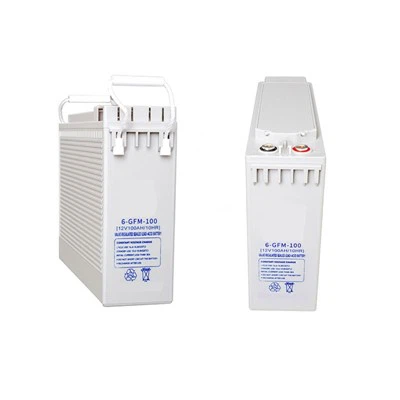
Before delving into the strategies for extending battery life, it’s crucial to understand the basic structure and operation of lead-acid batteries. A lead-acid battery consists of lead plates immersed in an electrolyte solution of sulfuric acid and water. During the charging process, chemical reactions occur that convert lead sulfate on the plates back into lead and lead dioxide, while releasing electrical energy. Conversely, during discharge, the lead and lead dioxide react with the sulfuric acid to form lead sulfate again.
Over time, repeated charging and discharging cycles can cause several issues that reduce the battery’s capacity and lifespan. These include sulfation, grid corrosion, water loss, and stratification of the electrolyte. By addressing these issues, we can significantly extend the life of a lead-acid battery.
Proper Charging Techniques
One of the most critical factors in extending the life of a lead-acid battery is proper charging. Overcharging and undercharging can both have detrimental effects on the battery’s health.
Avoid Overcharging
Overcharging occurs when a battery is charged beyond its full capacity. This can lead to excessive gassing, which causes water loss from the electrolyte and can also result in grid corrosion. To avoid overcharging, use a charger with a built-in charge controller that automatically stops charging when the battery reaches its full capacity. Additionally, avoid leaving the battery connected to the charger for extended periods after it is fully charged.
Prevent Undercharging
Undercharging, on the other hand, can lead to sulfation. Sulfation occurs when lead sulfate crystals form on the battery plates and are not fully converted back into lead and lead dioxide during the charging process. These crystals can gradually build up over time, reducing the battery’s capacity and eventually rendering it unusable. To prevent undercharging, ensure that the battery is fully charged after each discharge cycle. Use a charger that provides a sufficient charging voltage and current for the battery’s size and capacity.
Use a Smart Charger
A smart charger is an excellent investment for extending the life of a lead-acid battery. Smart chargers are designed to monitor the battery’s state of charge and adjust the charging process accordingly. They can detect when the battery is fully charged and automatically switch to a maintenance mode to prevent overcharging. Some smart chargers also have desulfation modes that can help break down sulfation on the battery plates.
Regular Maintenance
Regular maintenance is essential for keeping a lead-acid battery in good condition. Here are some maintenance tasks that can help extend the battery’s lifespan:
Check the Electrolyte Level
The electrolyte level in a lead-acid battery should be checked regularly, especially in batteries that are not sealed. If the electrolyte level is low, add distilled water to bring it up to the recommended level. Do not add sulfuric acid, as this can upset the balance of the electrolyte and damage the battery.
Clean the Battery Terminals
Corrosion on the battery terminals can prevent the battery from charging and discharging properly. To clean the terminals, disconnect the battery cables and use a wire brush to remove any corrosion. Apply a thin layer of petroleum jelly or terminal grease to the terminals to prevent future corrosion.
Equalize the Battery
Equalization is a process that helps balance the state of charge of the individual cells in a lead-acid battery. Over time, the cells in a battery can become unbalanced, which can reduce the battery’s overall capacity. To equalize the battery, charge it at a slightly higher voltage than normal for a specified period. This process helps to break down any sulfation on the plates and ensures that all cells are fully charged.
Store the Battery Properly
If the battery is not going to be used for an extended period, it should be stored properly to prevent self-discharge and sulfation. Store the battery in a cool, dry place and keep it fully charged. If possible, use a battery maintainer to keep the battery at a constant state of charge.
Operating Conditions
The operating conditions of a lead-acid battery can also have a significant impact on its lifespan. Here are some factors to consider:
Temperature
Lead-acid batteries are sensitive to temperature. High temperatures can accelerate the chemical reactions inside the battery, leading to increased water loss and grid corrosion. Low temperatures, on the other hand, can reduce the battery’s capacity and make it more difficult to charge. To extend the battery’s lifespan, try to keep it in a temperature range of 20-25°C (68-77°F).
Discharge Rate
The discharge rate of a lead-acid battery refers to the rate at which it is discharged. High discharge rates can cause the battery to heat up and can also lead to sulfation. To extend the battery’s lifespan, try to avoid discharging the battery at a high rate. If possible, use a battery with a higher capacity to meet your power requirements.
Vibration
Vibration can cause the internal components of a lead-acid battery to loosen and can also lead to damage to the battery plates. To prevent vibration damage, make sure the battery is securely mounted in its housing. If the battery is used in a vehicle, consider using a vibration-damping mount.
Choosing the Right Battery
Finally, choosing the right lead-acid battery for your application is crucial for extending its lifespan. Consider the following factors when selecting a battery:
Capacity
The capacity of a battery refers to the amount of electrical energy it can store. Choose a battery with a capacity that is appropriate for your power requirements. If the battery is too small, it will be constantly overcharged and discharged, which can reduce its lifespan. If the battery is too large, it may not be fully utilized, which can also lead to sulfation.
Type
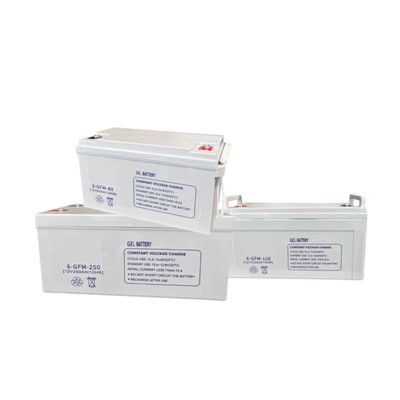
There are several types of lead-acid batteries available, including flooded, sealed, and gel batteries. Each type has its own advantages and disadvantages. Flooded batteries are the most common type and are relatively inexpensive, but they require regular maintenance. Sealed batteries are maintenance-free and are less likely to leak, but they are more expensive. Gel batteries are similar to sealed batteries but have a thicker electrolyte, which makes them more resistant to vibration and shock.
Quality
The quality of a lead-acid battery can vary significantly depending on the manufacturer. Choose a battery from a reputable manufacturer that uses high-quality materials and has a good track record of producing reliable batteries.
In conclusion, extending the life of a lead-acid battery requires a combination of proper charging techniques, regular maintenance, and careful consideration of the operating conditions. By following these tips, you can significantly increase the lifespan of your lead-acid battery and save money in the long run.
Portable Mobile Energy Storage System If you’re in the market for a lead-acid battery or have any questions about battery maintenance, I’d be happy to help. Contact me to discuss your specific needs and explore the options available.
References
- Linden, D., & Reddy, T. B. (2002). Handbook of Batteries. McGraw-Hill.
- Langlois, J. M. (2012). Battery Technology Handbook. CRC Press.
- Kordesch, K., & Gsellmann, J. (2000). Lead-Acid Batteries: Science and Technology. Springer.
Shandong Yaoqian Energy Storage International Trade Co., Ltd.
We’re well-known as one of the leading lead-acid battery manufacturers and suppliers in China, featured by quality products and good price. Please rest assured to buy customized lead-acid battery made in China here from our factory.
Address: Lithium Battery Industrial Park, Xingcheng Street, Zaozhuang High-tech Zone, Shandong Province, China
E-mail: boss@yaoqiansmart.com
WebSite: https://www.yaoqiansmart.com/
