Hey there! As a supplier in the CNC machining business, I’ve seen firsthand the significant role our services play in the automotive industry. CNC, or Computer Numerical Control, machining is like a high – tech wizard in the manufacturing world, and it’s got some pretty strict requirements when it comes to the automotive sector. Let’s dive right in and explore what those requirements are. CNC Machining

Precision and Tolerance
One of the most critical requirements for CNC machining in the automotive industry is precision. Cars are complex machines, and every single part needs to fit together perfectly. Even the tiniest deviation can lead to big problems down the road. For example, engine components like pistons and crankshafts need to be machined to extremely tight tolerances. The tolerances can be as small as a few micrometers. This ensures that the engine runs smoothly, efficiently, and without any rattles or leaks.
We use advanced CNC machines that are programmed to achieve these high levels of precision. The software allows us to control every aspect of the machining process, from the speed of the cutting tool to the depth of the cut. This way, we can make sure that each part meets the exact specifications provided by the automotive manufacturers.
Material Selection
The automotive industry uses a wide variety of materials, and choosing the right one is crucial. Different parts require different properties, such as strength, durability, and heat resistance. For instance, steel is commonly used for engine blocks because of its high strength and ability to withstand high temperatures. Aluminum, on the other hand, is popular for parts like cylinder heads because it’s lightweight and has good heat dissipation properties.
As a CNC machining supplier, we need to have a good understanding of these materials. We work closely with our customers to select the most appropriate material for each part. We also need to ensure that the material we use meets the industry standards. This means conducting quality checks on the raw materials before we start the machining process.
Surface Finish
The surface finish of automotive parts is not just about looks; it’s also about functionality. A smooth surface finish can reduce friction, improve wear resistance, and prevent corrosion. For example, in transmission parts, a smooth surface finish helps to ensure smooth gear shifting and reduces energy losses due to friction.
We use different techniques to achieve the desired surface finish. This can include grinding, polishing, and honing. The choice of technique depends on the material and the specific requirements of the part. Sometimes, we also apply coatings to the parts to enhance their surface properties.
Production Volume
The automotive industry typically requires large production volumes. Car manufacturers produce thousands, if not millions, of cars every year, and they need a steady supply of parts. This means that our CNC machining processes need to be efficient and reliable to meet these high – volume demands.
We have invested in high – speed CNC machines and automated production lines to increase our production capacity. We also have a well – organized production planning system to ensure that we can deliver the parts on time. This way, we can keep up with the fast – paced production schedules of the automotive industry.
Quality Control
Quality control is a non – negotiable in the automotive industry. Every part that goes into a car needs to pass strict quality checks. We have a comprehensive quality control system in place to ensure that our parts meet the highest standards.
This includes in – process inspections during the machining process to catch any potential issues early. We also conduct final inspections using advanced measuring equipment, such as coordinate measuring machines (CMMs). These machines can measure the dimensions of the parts with high accuracy and compare them to the design specifications. Any parts that don’t meet the requirements are rejected and re – worked or scrapped.
Cost – effectiveness
In addition to all the technical requirements, cost – effectiveness is also a major consideration in the automotive industry. Car manufacturers are always looking for ways to reduce costs without sacrificing quality. As a CNC machining supplier, we need to find a balance between providing high – quality parts and keeping the costs down.
We use various strategies to achieve cost – effectiveness. This can include optimizing our machining processes to reduce waste and increase efficiency, negotiating better prices with our raw material suppliers, and investing in the latest technology to improve productivity.
Design for Manufacturability
Another important requirement is design for manufacturability (DFM). When automotive engineers design new parts, they need to consider how these parts will be manufactured. A well – designed part can be machined more easily, quickly, and cost – effectively.
We work closely with our customers’ design teams to provide input on DFM. We can suggest changes to the design that will make it more suitable for CNC machining. For example, we might recommend changing the shape of a part to reduce the number of machining operations or to use standard tooling.
Environmental Considerations
In today’s world, environmental considerations are becoming increasingly important in the automotive industry. CNC machining processes can generate waste, such as metal chips and coolant. We need to manage this waste properly to minimize our environmental impact.
We have implemented recycling programs to reuse the metal chips. We also use environmentally friendly coolants and lubricants that are biodegradable and non – toxic. By doing so, we can meet the environmental requirements of the automotive industry while also reducing our operating costs.
Safety
Safety is always a top priority in the automotive industry. Our CNC machining processes need to meet strict safety standards. This includes ensuring that our machines are properly maintained and that our operators are trained to use them safely.
We also need to ensure that the parts we produce are safe for use in cars. This means conducting thorough testing to make sure that the parts can withstand the stresses and strains they will encounter during normal operation.
Flexibility
The automotive industry is constantly evolving, with new models and technologies being introduced all the time. As a CNC machining supplier, we need to be flexible and able to adapt to these changes.
We are constantly upgrading our equipment and skills to be able to handle new materials and designs. We also have a flexible production system that can quickly switch between different part orders. This allows us to meet the changing needs of our automotive customers.
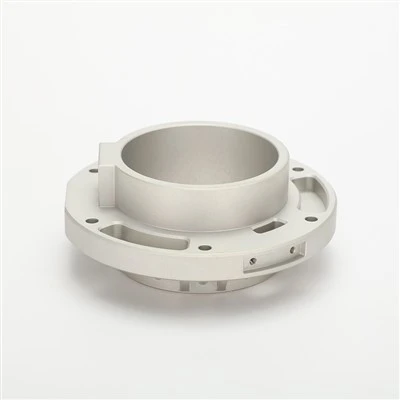
In conclusion, the requirements for CNC machining in the automotive industry are diverse and demanding. From precision and material selection to cost – effectiveness and environmental considerations, we need to meet a wide range of criteria. As a CNC machining supplier, we are committed to providing high – quality parts that meet all these requirements. If your company is in the automotive industry and you’re looking for a reliable CNC machining partner, we’d love to have a chat with you. Get in touch with us to discuss your procurement needs and start a great partnership!
Robotic Machining References
- ASM Handbook, Vol. 16: Machining
- Automotive Manufacturing & Production magazine issues
- ISO standards related to automotive part manufacturing
Zhejiang Hayi Technology Co., Ltd.
With abundant experience, we are one of the most professional CNC machining manufacturers in China. We warmly welcome you to wholesale bulk CNC machining in stock here and get quotation from our factory. All customized products are with high quality and competitive price.
Address: Room 112, 1st Floor, No. 103, Siwangdai, Pingzhai Village, Renhe Subdistrict, Yuhang District, Hangzhou City, Zhejiang Province
E-mail: 18368133797@163.com
WebSite: https://www.zhejianghayi.com/
