Limitations of Metal Fickert Abrasive
As a supplier of Metal Fickert Abrasive, I’ve had the privilege of witnessing its remarkable performance in various industrial applications. Metal Fickert Abrasive is renowned for its durability, cutting efficiency, and precision, making it a popular choice among manufacturers worldwide. However, like any other abrasive product, it has its limitations. In this blog, I’ll delve into some of the key limitations of Metal Fickert Abrasive and how they can impact your operations. Metal Fickert Abrasive
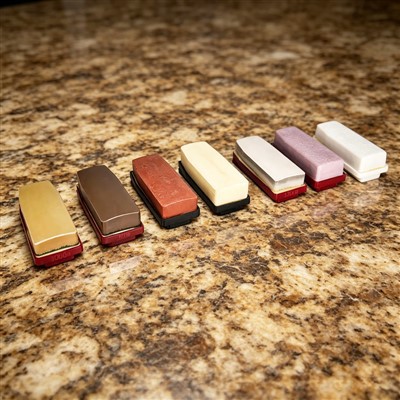
1. Cost
One of the primary limitations of Metal Fickert Abrasive is its cost. Compared to other abrasives on the market, Metal Fickert Abrasive is relatively expensive. This is due to the complex manufacturing process and the high-quality raw materials used. While the long lifespan and superior performance of Metal Fickert Abrasive can offset the initial cost in the long run, it may not be a viable option for budget – constrained projects. For small – scale manufacturers or those working on low – margin projects, the high cost can be a significant deterrent. They may opt for cheaper abrasives, even if they have to replace them more frequently. This cost factor can also limit the widespread adoption of Metal Fickert Abrasive in cost – sensitive industries.
2. Limited Applicability to Soft Materials
Metal Fickert Abrasive is designed primarily for use on hard metals and alloys. Its high hardness and aggressive cutting action make it ideal for materials like stainless steel, titanium, and high – strength steels. However, when it comes to soft materials such as aluminum, copper, or plastics, Metal Fickert Abrasive can cause more harm than good. The abrasive particles can be too aggressive, leading to excessive material removal, surface damage, and a poor finish. On soft metals, it may leave deep scratches and rough surfaces that are difficult to correct. In the case of plastics, it can cause melting and deformation due to the high heat generated during the abrasion process.
3. Environmental Considerations
The production and use of Metal Fickert Abrasive have some environmental implications. The manufacturing process involves high – energy consumption and the use of certain chemicals. These chemicals can pose a risk to the environment if not properly managed. Additionally, the disposal of used Metal Fickert Abrasive can be a challenge. The abrasive particles can contain heavy metals and other contaminants, which need to be treated according to strict environmental regulations. Improper disposal can lead to soil and water pollution. As environmental awareness grows, more and more industries are looking for eco – friendly alternatives, and the environmental footprint of Metal Fickert Abrasive can be a limitation in the market.
4. Risk of Clogging
Another limitation of Metal Fickert Abrasive is its susceptibility to clogging. During the abrasion process, the metal particles removed from the workpiece can accumulate on the abrasive surface. This clogging reduces the cutting efficiency of the abrasive, as the clogged particles prevent the fresh abrasive grains from coming into contact with the workpiece. As a result, the grinding or cutting process becomes less effective, and more force is required to achieve the same level of material removal. This can lead to increased wear on the tool and the machine, and also affect the quality of the finished surface. To prevent clogging, frequent cleaning or dressing of the abrasive is required, which adds to the overall cost and downtime of the operation.
5. Difficulty in Shaping Complex Geometries
While Metal Fickert Abrasive is excellent for flat and simple – shaped workpieces, it faces challenges when it comes to shaping complex geometries. The rigid nature of the abrasive makes it difficult to conform to intricate curves and contours. In applications where precision shaping of complex parts is required, such as in the aerospace or medical device industries, Metal Fickert Abrasive may not be the most suitable option. Specialized tools and techniques are often needed to achieve the desired shape, which can be time – consuming and expensive.
6. Sensitivity to Operating Conditions
Metal Fickert Abrasive is sensitive to operating conditions such as temperature, pressure, and feed rate. Extreme temperatures can affect the hardness and performance of the abrasive. High temperatures can cause the abrasive grains to lose their sharpness and reduce the cutting efficiency. Similarly, improper pressure and feed rates can lead to uneven wear of the abrasive, resulting in poor surface finish and reduced tool life. Operators need to have a good understanding of the optimal operating conditions and closely monitor the process to ensure the best performance of Metal Fickert Abrasive. This can be a challenge, especially for less – experienced operators.
Mitigating the Limitations
Despite these limitations, there are ways to mitigate their impact. For the cost issue, we can offer volume discounts to our customers, especially for large – scale orders. We can also work with customers to optimize the usage of Metal Fickert Abrasive, reducing waste and maximizing its lifespan. To address the limited applicability to soft materials, we can provide our customers with a range of complementary abrasives that are more suitable for these materials. Regarding environmental concerns, we are constantly investing in research and development to improve the manufacturing process and reduce the environmental footprint of our products. To prevent clogging, we can recommend proper cleaning and dressing techniques, and also develop new abrasive formulations that are more resistant to clogging.
In order to overcome the difficulty in shaping complex geometries, we are exploring new manufacturing techniques to produce more flexible and adaptable Metal Fickert Abrasive products. And for the sensitivity to operating conditions, we offer training programs for our customers’ operators to ensure they have the knowledge and skills to operate the abrasive under the optimal conditions.
Conclusion
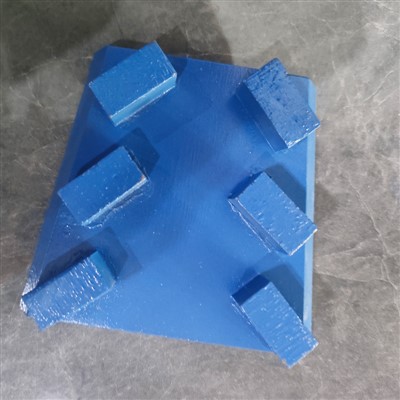
In conclusion, while Metal Fickert Abrasive offers many advantages in terms of durability, cutting efficiency, and precision, it also has its limitations. These limitations, such as cost, limited applicability to soft materials, environmental concerns, clogging, difficulty in shaping complex geometries, and sensitivity to operating conditions, need to be carefully considered when choosing an abrasive for your application. As a supplier, we are committed to helping our customers understand these limitations and find the best solutions to meet their needs.
Resin Fickert Abrasive If you are interested in learning more about Metal Fickert Abrasive and how we can work together to address the limitations while maximizing the benefits, we welcome you to contact us for a purchasing negotiation. We are here to provide you with the best products and services.
References
- ASTM International Standards on Abrasive Materials
- Manufacturing Engineering Handbook, Multiple Editions
- Technical Papers on Abrasive Wear and Friction from Journal of Materials Science
- Reports on Environmental Impact Assessment of Abrasive Production and Use by Environmental Protection Agencies
Quanzhou Cheefung New Materials Co., Ltd.
As one of the most experienced metal fickert abrasive enterprises in China, we are able to meet the needs of the majority of our customers. Please feel free to wholesale advanced metal fickert abrasive made in China here from our factory. For price consultation, contact us.
Address: Jinshan Community, Licheng District, Quanzhou City, Fujian, China
E-mail: info@prostonetools.com
WebSite: https://www.prostonetools.com/
