Hey everyone, it’s Jake here—head of operations over at [My Company], the team that builds and fixes grain cleaning machines for farmers and processing plants across the country. If you’ve ever stood next to a grain cleaning machine mid-harvest, you know the motors are basically its heart. Mess with the motor, and you’re stuck with a pile of unprocessed grain that’s costing you time, money, and sleep. Over the past 8 years, we’ve fixed more than a few motors that gave out unexpectedly, so I’m here to spill all the real, actionable stuff we tell our clients to keep those motors running smooth, even when the pressure’s on during harvest season. Grain Cleaning Machines
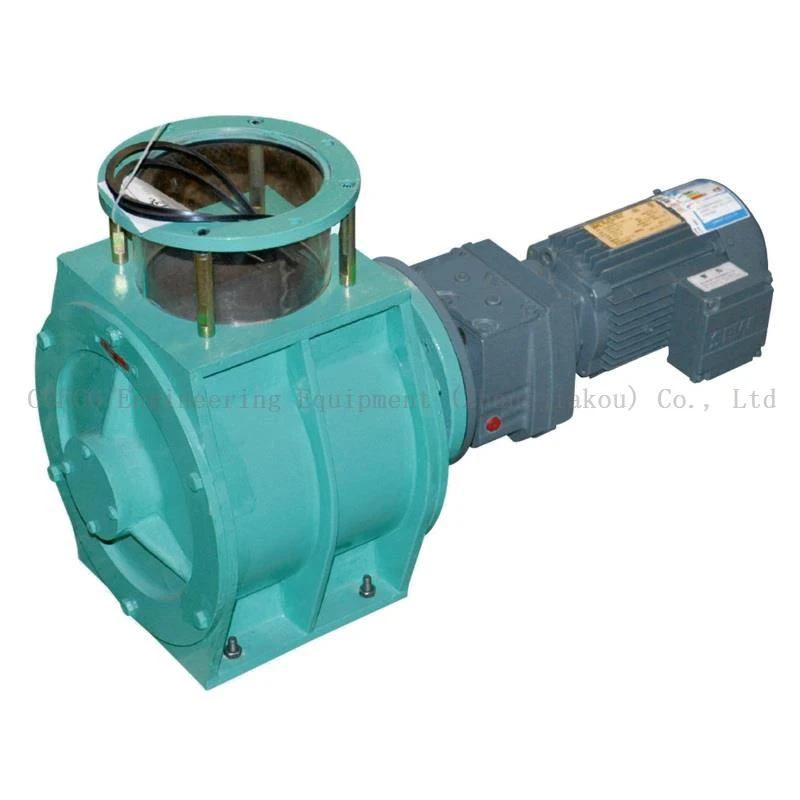
First off, let’s cut the crap: there’s no “set it and forget it” here. But if you nail the small, daily (well, weekly, mostly) checks, you won’t be stuck ordering emergency motor parts at 2 a.m. during a storm. The first thing we always tell new clients is to stick to a consistent inspection routine, not just when something breaks. I’ve seen guys wait till the motor’s making a weird noise before they even look at it—by then, it’s usually too late. Let’s break this down like we’re talking to a buddy, not a manual.
Start with the basics: temperature and vibration. These are the two biggest red flags that’ll pop up before anything else. Think about it—your motor’s moving hundreds of pounds of grain, so it’s gonna get warm, but if it’s way too hot to touch without burning your fingers, that’s a problem. We use a cheap infrared thermometer (like, $20 from Amazon, nothing fancy) to check the surface temp every week, but if you don’t have one, just tap it lightly with the back of your hand. If it’s hotter than your cheek, don’t ignore it. Most motors are rated to run at 10-15 degrees Celsius above ambient temp—if it’s higher than that, you’re dealing with either airflow issues or overloading.
Vibration’s even easier. Just put your hand on the motor frame while it’s running. A little hum is normal, but if it’s shaking so bad you feel it in your arm, that’s a no-go. Why does that happen? Usually, unbalanced rotors, worn bearings, or even loose belts. Last year, a corn farmer from Iowa called us panicking because his cleaning machine was vibrating so hard it was knocking over a 50lb sack of soybeans. We told him to check the motor mount bolts first—turns out one had worked loose after a week of nonstop running. Tightened ’em up, and it was good as new in 10 minutes. Moral of the story: vibration rarely happens out of nowhere, so catch it early.
Next up—airflow and dust. Grain cleaning machines are dusty, like, really dusty. That dust gets everywhere, including the motor’s cooling fins. If those fins get caked with grime, the motor can’t shed heat, and that’s how you burn out the windings. We see this all the time during wheat harvest, when the chaff is extra fine and sticks like glue. So what do you do? Every 2 weeks, pull the motor’s fan cover off (it’s usually just 4 screws, take 2 minutes) and blast the fins with compressed air—no need for a pressure washer, that’ll bend the fins and make airflow worse. If you don’t have compressed air, a stiff brush works, but be gentle—you don’t want to bend the fins. Pro tip: tape a plastic bag over the motor’s electrical connections before cleaning, so you don’t get dust in there. Short circuits are a real thing, and they’re a pain to fix mid-harvest.
Also, check the motor’s vent holes. Sometimes they get blocked with small grain kernels or dirt, and that restricts airflow too. I once had a client who thought his motor was “dying” till we noticed his vent hole was stuffed full of corn—he’d accidentally tilted the machine while loading grain, and it shifted into the vent. That’s a quick fix, but only if you check.
Now, let’s talk about power supply—this is another huge one that people sleep on. Grain processing sites often have inconsistent power, especially if they’re running off a generator (which a lot of small farms do). If the voltage is too high or too low, the motor has to work way harder than it should, and that wears it out fast. What’s the sweet spot? Most grain cleaning motors are built to handle ±5% of their rated voltage. So if yours is a 480V motor, it should run between 456V and 504V. Any higher or lower, and you’re asking for trouble.
A lot of guys skip checking power supply because they don’t have a multimeter, but we recommend every client grab a cheap one (another $20 or so) and test it at the start of harvest, and again after a week of running. If you’re running off a generator, make sure it’s sized properly for the motor—we see this all the time too small generators that can’t handle the peak power when the motor starts, which causes voltage drops that damage windings. If that’s you, upgrade the generator before the next harvest. It’ll save you a ton of money in motor repairs.
Then there’s lubrication. Bearings in the motor need grease, but way too much or too little grease is bad. I’ve seen guys pump so much grease into a bearing that it leaks out and gets all over the grain—contamination is a whole other problem—while others forget to grease them at all, leading to grinding and wear. So how often do you grease them? It depends on the motor, but as a rule of thumb, every 6 months for motors that run 8 hours a day, every day. If your machine runs 24/7 during harvest, bump that up to every 3 months.
Here’s the thing: you don’t need a fancy grease gun, just one that’s compatible with your motor’s bearings. Most grain cleaning motors use lithium-based grease, but check the manual (or ask us, we’re happy to help) to be sure. When you grease it, don’t just keep pumping till it comes out—stop when you see a tiny bit of fresh grease come out the vent on the bearing. Any more, and you’re over-greasing, which will cause the bearing to overheat. Last year, we had a canola processor who had his motor’s bearings fail because he over-greased them 3 times in a month—cost him $1,200 in a new bearing, plus lost harvest time. Don’t do that.
Belts and pulleys—wait, I almost forgot these, because they seem like a separate part, but they directly impact the motor’s load. If your belts are too loose, they slip, making the motor work harder. If they’re too tight, they put extra strain on the motor’s shaft and bearings. What’s the right tension? You should be able to push a belt about ½ inch with your finger, halfway between the two pulleys. If it’s more than that, tighten it a little; if less, loosen it. Also, check for cracks or fraying on the belts—if you see any, replace them before they break during a run. A broken belt means your grain machine stops, and your motor might rev too hard when it restarts, which isn’t good for it either.
Now, what about when you’re not using the machine? A lot of people think, “Oh, it’s just sitting in the barn for 6 months, no need to do anything,” but that’s a mistake. If you leave the motor sitting without running it, moisture can build up inside, especially if the barn is damp (which a lot are, especially in winter or rainy areas). That moisture will cause rust on the windings and bearings, which will make the motor seize up when you start it again. So every month when it’s not harvest time, run the motor for 15-20 minutes, even if it’s just spinning without grain in it. That keeps it dry, and also gives you a chance to check for any weird noises or vibration before you need it.
Another thing: load monitoring. You know how much grain your machine can handle, right? Don’t overload it. If you’re shoveling more grain into the cleaning chamber than the motor is built to handle, it’ll overwork itself, overheat, and burn out fast. We always tell clients to check the motor’s amperage when they’re running at full load. The amperage should be at or below the motor’s rated full-load amperage (FLA)—that’s on the motor’s nameplate. If it’s going higher, you’re overloading, or there’s another problem (like a blocked cleaning chamber, which is making the motor work harder). Last harvest, a soybean farmer from Indiana kept wondering why his motor was overheating, and it turned out he was running 20% more grain through the machine than it was designed for. Once he cut back, the temp dropped right down. Pro move: keep a log of amperage, temperature, and operating time—you can jot it down in a notebook on the machine, or even your phone. That log will tell you trends, like if the motor runs hotter every time you run more than 10 hours straight, so you can adjust before it breaks.
Wait, let’s talk about common mistakes we see all the time, so you can avoid them. First, using the wrong replacement parts. You might think, “Oh, any generic motor will work” — no, not for grain cleaning. Grain motors have to be dust-tight and water-resistant (IP55 or higher, usually), so a regular motor from the hardware store will get clogged with dust in no time. That’s why we build our grain cleaning motors to handle that harsh environment, but even if you have a different brand machine, make sure you’re replacing parts with ones rated for grain processing. Second, skipping the startup check every time. When you fire up the machine in the morning, don’t just hit the button and walk away. Stand there for 30 seconds, listen for weird noises, check that it’s running smooth, no immediate vibration. Catching a problem before you load grain is way easier than catching it mid-harvest when you’ve got 1000 bushels of grain waiting. Third, ignoring small issues. If the motor makes a tiny squeal, or the temp is 2 degrees higher than normal, don’t say “it’s fine, I’ll fix it later.” That “tiny issue” is usually the start of a much bigger problem. We’ve seen so many clients put off a small grease job or a belt tightener, and end up with a $3,000 motor replacement instead of a $50 grease gun.
Let me wrap this up with a quick, no-BS routine you can follow, because I know you’re busy during harvest—who has time for long checklists?
Weekly checks (takes 5 minutes):
- Check motor temp (back of hand or thermometer)
- Run your hand along the motor frame for vibration
- Listen for any odd noises (squeals, grinding, rattling)
Bi-weekly checks (takes 10 minutes):
- Clean cooling fins and vent holes (blow dust out)
- Test power supply with multimeter (voltage should be within ±5% of rated)
- Check belt tension and condition (no cracks, right tightness)
Monthly checks (when machine’s not running):
- Run motor for 15 minutes to keep it dry
- Log amperage, temp, and operating time
- Check for any loose bolts on motor mount
Every 3 months (24/7 harvest) or 6 months (8-hour days):
- Grease motor bearings (don’t over-do it)
- Do a deep clean of motor exterior and vents
Look, I’ve been in this industry long enough to know that grain farmers don’t have time for fancy, complicated routines. This stuff is simple, it doesn’t take a lot of tools, and it saves you a ton of headache when harvest’s in full swing. If you follow this, you’ll go years without a motor failure that stops your operation.
Flour Automatic Packing Machine Now, if you’re having issues with your current motor, or you need to upgrade to a better, more durable motor for your grain cleaning machine, hit us up. We’re the team that designs these motors specifically for the harsh grain processing environment—no generic stuff, built to handle dust, variable power, and long hours during harvest. We can walk you through every check, help you figure out what’s wrong if your motor’s acting up, or get you a replacement if you need it. Don’t wait till your motor dies mid-harvest—reach out today, and we’ll make sure you’ve got the setup to keep running smooth.
References
- National Agricultural Machinery Manufacturers Association. (2021). Maintenance Guidelines for Grain Processing Equipment Motors.
- Industrial Motor Systems Association. (2022). Best Practices for Motor Lubrication and Load Monitoring in Agricultural Applications.
- U.S. Department of Agriculture. (2020). Harvest Season Equipment Reliability: Preventive Maintenance for Grain Cleaning Machines.
COFCO Engineering Equipment (Zhangjiakou) Co., Ltd.
As one of the most professional grain cleaning machines manufacturers and suppliers in China, we also support customized service. Please feel free to wholesale advanced grain cleaning machines for sale here from our factory. Quality products and reasonable price are available.
Address: No.4 ZhongLiang Street, high-tech industrial development zone, Zhangjiakou, Hebei, PRC
E-mail: mayihui@cofco.com
WebSite: https://www.ceeflourmill.com/
