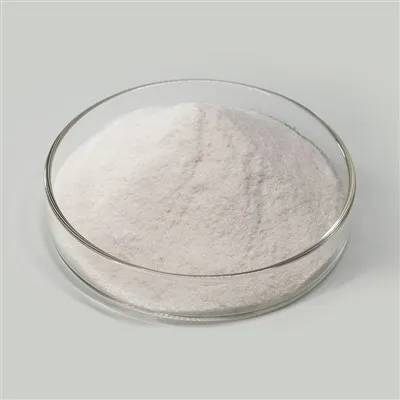
Sweeteners Hey there,
If you’ve ever scrolled through a grocery aisle, added a “sugar-free” treat to your cart, or dabbled in homemade low-sugar baking, you’ve probably asked yourself one thing (or a hundred things) about sweeteners: Do they do more than cut calories? And wait—are any of them actually something I need to worry about for allergies?
Full transparency: I’ve worked in the sweetener supply game for over a decade now, and this question comes up at least once a week, especially from food brand owners, café operators, and even people new to specialty diets. A lot of folks I chat with assume all sweeteners are “blank slates” when it comes to allergens—but that’s not totally true. Let’s break this down without the stuffy textbook jargon, no fancy marketing fluff, just the honest stuff I tell my regulars.
First off, let’s get one thing straight: When we talk about allergens in sweeteners, we’re mostly referencing the Big 8 food allergens that regulators (like the FDA here in the US, or EFSA in the EU) flag for mandatory labeling: milk, eggs, fish, shellfish, tree nuts, peanuts, wheat, and soy. Those are the main ones people react to, so I’m gonna stick to those first, since that’s what 99% of my customers care about.
Let’s start with the most common sweeteners out there because that’s where most confusion lives. Take table sugar—sucrose, from sugar cane or sugar beets. Wait, do either of those trigger allergies? Nope. Sugar cane is a grass, sugar beets are root veggies, and neither of them are on the Big 8 list. Now, what about high-fructose corn syrup? Wait, corn isn’t one of the Big 8 either, right? (Side note: I know some people swear they react to corn, but that’s actually a rare cross-reactivity thing with other allergens, not corn itself being a top allergen—we can dive into that later if you want.)
Then there are artificial sweeteners: aspartame, sucralose, stevia, monk fruit. All of these? None of them trigger Big 8 allergies. But hold on—this is where the “but” comes in, because it’s not all black and white. A lot of people don’t realize that some sweeteners have hidden ingredients added during processing, and those hidden bits are often the allergenic culprits. That’s the stuff that trips people up, not the sweetener itself.
Let’s use an example: One of the biggest questions I get is about dextrose, which is just pure glucose, right? But wait—some dextrose comes from wheat or corn. If it’s wheat-derived dextrose and it’s not processed enough to remove all the wheat proteins, that can trigger a wheat allergy. Same thing with maltodextrin—another common filler used in a lot of sweetener blends. If maltodextrin is sourced from soy? You guessed it—soy allergy sufferers might react. I’ve had a few clients bring back batches that caused issues because the supplier cut costs on sourcing without disclosing that. That’s why, as a supplier, I make every batch’s sourcing info easy to pull up—no hidden fine print.
Another one people ask about: artificial sweeteners like aspartame. I’ve seen rumors that it has phenylalanine, which is bad for people with phenylketonuria (PKU), but that’s a metabolic disorder, not an allergy. Big difference—allergies are immune system overreactions; PKU is a genetic condition where your body can’t process a certain amino acid. Totally separate, and important to clarify because I get emails every week from people mixing those two up.
Now, let’s talk about natural high-intensity sweeteners, because those’ve blown up in popularity lately. Stevia comes from the stevia plant, monk fruit is from a little gourd grown in Southeast Asia. Both of those are totally allergen-free—unless, and here’s the catch, they’re processed with carriers or fillers that have allergens. Some cheap stevia blends, for example, add in dextrose (wheat or soy sourced) or even milk-based ingredients to make the powder dissolve better. I’ve turned down a few bulk orders from small brands that asked for “generic stevia blends” because those blends had hidden milk derivatives, and I’d never sell something that would put a customer’s end consumers at risk.
Wait, what about sugar alcohols? You know, the ones in sugar-free gum and candy—xylitol, erythritol, sorbitol. Those are super popular for people with diabetes or who are cutting sugar, and most of them are totally safe for Big 8 allergens. But again—check the processing. Some xylitol is made from corn fiber, so if you’re someone with a rare corn allergy (not Big 8, but still an allergen), you’ll want to ask for a non-corn source. I keep two lines of erythritol on hand: one from corn, one from tapioca, so I can match whatever a customer’s specific needs are.
Now, let’s get into the rare stuff that no one talks about. I had a customer last year who’s allergic to shellfish, and she couldn’t figure out why she reacted to a certain low-sugar protein bar. Turns out, the bar used a caramel color that was processed using shellfish-derived gelatin as a clarifying agent. That caramel color is often used in sweetener blends too—so even if the sweetener itself is fine, the additives can be a problem. That’s why I test every single batch I get (and every batch I supply) for allergen cross-contamination, not just the main sweetener. I work with third-party labs to do routine allergen tests—no shortcuts, because one bad batch can ruin a brand’s reputation and hurt people.
Another hidden one: some flavored sweeteners, like vanilla-flavored stevia or fruit-flavored monk fruit. A lot of the natural flavors used here might have tree nut or soy derivatives, even if they don’t list it. I make a point to only use certified allergen-free flavorings now, because too many people have had bad experiences with unlabeled natural flavors.
Wait, let’s clear up a common myth too. A lot of people think “organic sweeteners” are automatically allergen-free. Nope. I’ve had organic cane sugar that’s cross-contaminated with tree nuts in a processing facility, and organic monk fruit sweetener that had hidden soy fillers. Organic just means it’s grown without pesticides—it doesn’t test for allergens. That’s a huge mistake a lot of brands make when sourcing—assuming organic = safe for allergy sufferers. I always tell my customers: never take a label at face value, ask for the Certificate of Analysis (COA) that lists allergen testing. That’s non-negotiable for me.
Now, what about the sweeteners that actually have rare allergenic properties, not just hidden stuff? From what I’ve seen in the 10+ years I’ve been in this, there’s basically no common sweetener on the market that’s itself an allergen. I’ve dug through peer-reviewed studies (I don’t just go by word of mouth— I stay up on the latest research for my customers) and there’s no FDA or EFSA documentation of a reported allergy to sucrose, steviol glycosides (the active part of stevia), mogrosides (the active part of monk fruit), or sucralose. The only exceptions are super rare, like a couple case studies I found of people reacting to the filler in a specific brand of erythritol, not the erythritol itself. Those cases are so uncommon, they’re basically one-offs.
So, to circle back to the original question: Are there any sweeteners that are allergenic? The short answer is: not the sweeteners themselves. The allergenic stuff is almost always the hidden ingredients, cross-contamination during processing, or mislabeling. That’s why it’s so critical to work with a supplier that’s transparent about sourcing, tests every batch, and doesn’t cut corners on allergen safety.
I’ve had customers come to me after dealing with other suppliers who sent them a sweetener blend that had unlisted milk derivatives, or dextrose from a wheat source. Those mistakes cost them thousands in product recalls, not to mention lost customer trust. That’s why for every sweetener I supply, I break down every component: where it’s sourced from, if it’s tested for allergens, and what additives are in it. No vague terms, no “may contain” fine print that’s a cop-out.
If you’re a brand owner looking to launch a new line of low-sugar or sugar-free products, or you’re someone who needs sweeteners tailored for allergy-friendly diets, I get the struggle. It’s easy to feel overwhelmed by all the labels and rumors out there. That’s why I’m here—no sales pitches, just straight answers, and I can help you source exactly what you need without the allergen risk. Whether you’re a small café testing a new sugar-free syrup or a big food brand scaling your line, I can adjust to your needs.
If you’ve got questions about specific sweeteners, allergen testing, sourcing, or anything in between, feel free to reach out to chat. No pressure, just honest advice for anyone navigating the messy world of sweeteners and allergies.
References Sweeteners

- U.S. Food and Drug Administration. (2024). Food Allergen Labeling and Consumer Protection Act (FALCPA): Key Allergens and Labeling Requirements.
- European Food Safety Authority. (2023). Scientific Opinion on the safety of high-intensity sweeteners for use in food and beverages.
- National Institute of Allergy and Infectious Diseases. (2022). Food Allergy Prevalence and Triggers in Adults and Children.
- Journal of Allergy and Clinical Immunology: In Practice. (2021). Hidden Allergens in Food Additives: A Retrospective Analysis of 5 Years of Clinical Cases.
- World Health Organization. (2023). Non-Nutritive Sweeteners: Safety and Use in Public Health Nutrition.
Guangzhou ZIO Chemical Co., Ltd.
As one of the most professional sweeteners manufacturers and suppliers in China, our products have good reputation in the market. With abundant experience, we warmly welcome you to buy bulk sweeteners for sale here and get free sample from our factory. For price consultation, contact us.
Address: 5th Floor, Building 1A, Runnong Business Center, No.2 Huangcun Road, Dongpu Town, Tianhe District, Guangzhou
E-mail: alice.liu@gzzio.com
WebSite: https://www.zio-ingredients.com/
