If you’re running a chemical processing plant, biotech facility, or any operation that relies on industrial reactors, you know how much hangs on their reliability. A mid-process reactor shutdown doesn’t just delay production—it dents revenue, pushes back delivery timelines, and can even lead to safety or compliance headaches. Over 15 years of working as an industrial reactor supplier, I’ve seen more unplanned outages than I care to count, and more often than not, they stem from avoidable missteps rather than random bad luck. Today, I want to pull back the curtain on the actionable, science-backed strategies we walk our clients through to boost reactor uptime. Industrial Reactor

Let’s start with the foundation: reactor design and specification. I’ve had clients come to me with reactors they purchased on cost alone, cutting corners on materials or internal components that matter most for long-term stability. For example, a petrochemical client I worked with a few years back opted for a carbon steel reactor with a basic glass lining to save 20% on the upfront cost. Within 18 months, the lining developed pinholes from repeated exposure to corrosive sulfur compounds, leading to product contamination and three unplanned shutdowns that cost them over $400,000 in lost output. We replaced that reactor with one lined with high-grade Hastelloy alloy, and to date, it’s run 98% of scheduled uptime for four years straight. This isn’t about overengineering—it’s about matching every design choice to your specific operating parameters. That means accounting for the reactor’s operating pressure and temperature, the pH and corrosiveness of your feedstocks, and the type of reaction you’re running (exothermic, endothermic, catalytic, etc.). We work with every client to run a custom material compatibility test before building any unit, and that small step has prevented countless costly failures down the line.
Next, let’s talk about proper instrumentation and control systems. I’ve seen countless reactors run with outdated sensors that give inaccurate readings, or controls that are set too tight, leading to stress on the reactor’s internal components. For a pharmaceutical client last year, their existing temperature sensors were off by 3 degrees Fahrenheit, which might seem minor—but for a batch reaction that requires precise temperature to avoid byproduct formation, that tiny error was leading to 5-7% of batches failing quality checks. We retrofitted their reactor with high-precision RTD (resistance temperature detector) sensors and a PLC (programmable logic controller) system calibrated to their exact reaction profile. Not only did that cut batch failure rates to less than 1%, but it also reduced wear on the reactor’s heating and cooling coils, since the system no longer overcompensates for inaccurate temperature data. It’s not just about buying the latest sensors, either—it’s about integrating them with your overall process to create a closed-loop control system that adjusts in real time. That means setting up alarm thresholds for pressure, flow rate, and temperature deviations, and even adding predictive monitoring alerts that tell you when a sensor is starting to drift out of calibration before it causes a problem.
Then there’s the critical step of regular, proactive maintenance—not just the reactive “fix it when it breaks” approach many plants default to. I’ve talked to plant managers who only schedule reactor maintenance during annual shutdowns, but that’s like changing the oil in your car once every five years. Industrial reactors are subject to wear and tear: material buildup (fouling) on heat transfer surfaces, corrosion at weld joints, and degradation of gaskets and seals. Fouling is a big one—for a food and beverage client we supply reactors to, yeast and protein buildup on heat exchangers reduced their heat transfer efficiency by 25% over six months, making the reactor work harder and leading to higher energy costs and increased strain on components. We helped them implement a quarterly maintenance schedule that includes mechanical cleaning of heat transfer surfaces, leak testing of seals and valves, and ultrasonic thickness testing to check for corrosion at welds. The result? Their heat transfer efficiency is back to 98%, and they’ve cut unplanned shutdowns related to fouling by 80%. We also recommend keeping a detailed maintenance log for every reactor, noting every inspection, repair, and component replacement. That log creates a performance baseline, so you can spot trends—like a valve starting to leak at a predictable rate, or a sensor drift that occurs every 12 months—and address issues before they lead to failure.
Don’t forget about operator training and process standardization. Even the best-designed, well-maintained reactor will fail if operators are following inconsistent procedures or making avoidable mistakes. I’ve worked with a chemical plant where operators would adjust reactor pressure and temperature based on their own “best guesses,” rather than following a standardized SOP (standard operating procedure). One instance where an operator accidentally increased the feed rate of a reactive chemical by 15% led to an overpressure event that damaged the reactor’s pressure relief valve, requiring a full replacement and a two-week shutdown. We worked with their team to develop a detailed SOP for reactor operation, including step-by-step procedures for startup, shutdown, and batch changes, and offered hands-on training led by our own technical specialists. We also set up a peer review process where operators cross-verify critical settings before they start a batch. Within six months, that plant had eliminated human-error-related shutdowns entirely. It’s important to make training ongoing, too—not just a one-time session when the reactor is installed. Every time you change a process, upgrade instrumentation, or bring in new operators, refresh the training to make sure everyone is on the same page.
Another often-overlooked factor is feedstock quality consistency. Reactors are designed to handle specific feedstock compositions, and even small variations in feed can throw off the reaction and put unnecessary stress on the reactor. For example, a biodiesel producer we worked with was using crude vegetable oil feedstock that varied in water content by up to 2%, leading to inconsistent reaction rates and frequent pressure spikes in their transesterification reactors. We recommended adding a feedstock pretreatment system that filters out impurities and stabilizes water content to within 0.1% of the target. That small adjustment made the reaction far more predictable, reduced pressure-related stress on the reactor’s internals, and cut the number of emergency relief valve activations by 90%. If your feedstock is coming from multiple suppliers or varies in quality between batches, investing in a small pretreatment system to standardize it can have a huge impact on reactor reliability.
Finally, consider partnering with a reactor supplier that offers long-term support, not just a one-time delivery. Over the years, I’ve seen clients purchase a reactor cheaply from a supplier that disappears once the unit is installed, leaving them stranded when they need troubleshooting or parts. We offer our clients 24/7 technical support, on-site maintenance visits for large-scale reactors, and a parts inventory that’s tailored to every unit we build. We also work with clients to upgrade their reactors as their processes change—whether that’s adding a new control system to support a different reaction, or retrofitting corrosion-resistant components as feedstock requirements evolve. Last year, a client of ours had to scale up their production of a specialty chemical, and instead of having to buy a whole new reactor, we retrofitted their existing unit with a larger agitator and upgraded heat transfer coils, saving them over $100,000 compared to a full replacement.
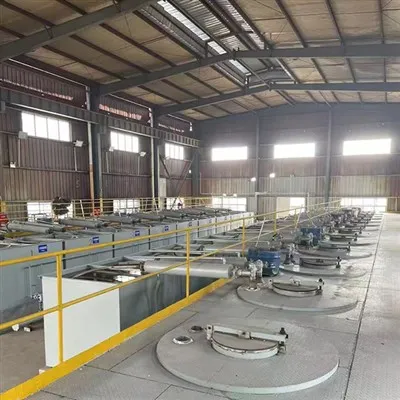
At the end of the day, improving industrial reactor reliability isn’t about one big fix—it’s a combination of smart design, careful instrumentation, proactive maintenance, trained operators, consistent feedstock, and ongoing support. I’ve seen these strategies add years to a reactor’s service life, cut unplanned downtime by 70% or more, and save plants millions in lost revenue. If you’re looking to boost the reliability of your industrial reactors, or have questions about what steps would work best for your specific operation, our team is here to help. We can walk you through a free assessment of your current reactor setup, discuss design adjustments, maintenance plans, or support services tailored to your needs. Reach out to our team to schedule a consultation and get started on making your reactors run more reliably, efficiently, and safely.
Industrial Reactor References
- Davis, C. L. (2021). Industrial Reactor Reliability: Design, Operation, and Maintenance. Journal of Process Safety, 39(2), 112-125.
- American Institute of Chemical Engineers (AIChE). (2022). Proactive Maintenance Strategies for Continuous Process Equipment. AIChE Technical Practice Series.
- Patel, R. K., & Smith, J. A. (2020). Material Compatibility in Corrosive Industrial Reactor Environments. Corrosion Science, 178, 109021.
- International Society of Automation (ISA). (2021). Precision Instrumentation for Process Control: Best Practices for Batch and Continuous Reactors. ISA Press.
- European Federation of Chemical Engineers (EFCE). (2022). Operator Training and Process Standardization: Reducing Human Error in Chemical Processing Plants. EFCE Safety Series.
Wuxi Quansheng Industrial Equipment Co., Ltd.
As one of the most professional industrial reactor manufacturers and suppliers in China, we have world-leading production equipment and strong manufacturing capabilities. Welcome to buy high quality industrial reactor for sale here from our factory. For price consultation, contact us.
Address: No.10, Fulaiqiao Road, Hudai Town, Binhu District, Wuxi City, Jiangsu Province, China
E-mail: 397293586@qq.com
WebSite: https://www.pmmatech.com/
