If you’ve ever looked into setting up a solar hybrid system, you’ve probably heard the word “inverter thrown around more times than you can count. But here’s the thing: it’s not just a random piece of gear you need to check off your shopping list. As someone who’s been supplying solar hybrid systems for years, I see so of folks gloss over the inverter, thinking it’s just a box that turns solar power into something usable. But get this—its role is way more critical than that. It’s the backbone that keeps your whole system running smoothly, whether you’re drawing power from the panels, the battery bank, or the grid. Let’s break this down in plain talk, no jargon overload, because I know most of you just want to understand what you’re investing in. Solar Hybrid System
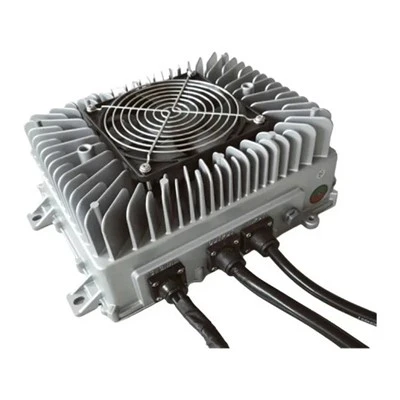
First, let’s start with the basics: what even is the power your solar panels make? Most residential and commercial panels spit out direct current (DC) electricity. That’s the same kind of power your phone charger uses when it’s plugged into a wall—wait, no, not exactly, but close for our purposes. The problem is, almost all of the stuff you run around your house or shop—fridges, ACs, lights, even your electric vehicle charger—runs on alternating current (AC). So if your panels make DC, how do you turn that into something your appliances can use? That’s the inverter’s first gig: DC-to-AC conversion. But in a hybrid system, this isn’t a one-and-done job. It has to handle two other power sources too: the batteries and the utility grid. That’s where hybrid inverters set themselves apart from regular string inverters or off-grid inverters.
Wait, let’s clarify that real quick. If you have a regular grid-tied solar system, it only works with the grid and your panels—no batteries. If there’s a blackout, that system goes dead, because grid-tied inverters are designed to shut off to protect line workers fixing power lines. But a hybrid inverter? It’s built to switch between three power sources seamlessly: panels, batteries, and grid. That’s the game-changer for folks who want backup power without the hassle of a separate off-grid setup.
Let’s talk about how that switching works, because it’s not just a flip of a switch. Suppose your solar panels are cranking out more power than you need at 2 p.m.—say, you’re at work, no one’s home, so the fridge is the only thing running, and your panels are making 5 kWh that hour. Instead of sending that extra power back to the grid for pennies on the dollar (if your utility even has net metering), the hybrid inverter can reroute that excess DC power to your battery bank, convert it to DC to store it, and then when the sun goes down, convert it back to AC to power your home. Or if your batteries are full, it can send that extra power to the grid, no extra equipment needed. And if the grid goes out? The inverter senses that in a fraction of a second—like, 20 milliseconds fast—and switches over to run on stored battery power or solar, so your fridge stays cold, your Wi-Fi stays on, your security system doesn’t die. That’s not something a regular inverter can do.
Another big role: it manages the power flow, which is where the efficiency actually happens. Let’s say you have a 5 kW solar array, a 10 kWh battery bank, and a hybrid inverter sized to match. The inverter doesn’t just convert power—it decides where every watt goes. If you’re home at 7 p.m. and using 3 kWh of power, it’ll pull from the batteries first, so you don’t have to draw from the grid at peak rates. If you’re using 8 kWh, it’ll pull the remaining 5 kWh from the grid, but at off-peak rates maybe? The inverter is programmed to adjust based on your utility’s rates, your battery level, and how much sun the panels are getting. That’s why a lot of our customers see 50-70% lower energy bills than they did with just grid power. It’s not the panels doing all the work—it’s the inverter that’s orchestrating all that power so you use as little grid power as possible.
I’ve seen so many people make the mistake of buying a cheap inverter to save a few bucks, and it ends up costing them way more in the long run. Cheap inverters are less efficient—they might waste 10-15% of the power they convert, which means you’re losing money every time you use solar. They also have shorter lifespans, maybe 5-10 years, compared to a quality hybrid inverter that lasts 15-20. And the biggest issue? If the inverter is incompatible with your panels or batteries, it can cause a whole host of problems: your batteries might not charge fully, your panels might not work at peak efficiency, and if there’s a problem with the inverter, it can take down the whole system. That’s why when we supply solar hybrid systems, we don’t just sell panels and batteries—we make sure the inverter is matched perfectly to both, because if that piece is off, everything else suffers.
Let’s get into some real examples of how this plays out for different customers. A small café I worked with last year: they had a 8 kW solar array, a 15 kWh battery bank, and a 7 kW hybrid inverter. Their peak energy use was during the day—they ran espresso machines, ovens, fridges from 8 a.m. to 6 p.m. The inverter drew power from the panels first, so they used almost no grid power during those hours. Then, after 6 p.m., when the café closed, the inverter switched to the batteries to power their security system, outdoor lights, and a small office area until 10 p.m. On days when the sun was extra strong, the inverter sent any excess power back to the grid, and they got a credit on their bill. When the grid went out for 3 hours last winter, the inverter kept all their critical equipment running—no lost food, no lost revenue. That’s the kind of value the inverter delivers.
For a residential customer, say a family of four with a 6 kW array and a 10 kWh battery. They work 9 to 5, so the panels make most of their power while they’re gone. The inverter stores the extra in the batteries, so when they get home at 5 p.m., they can run their AC, TV, washer, and dryer on battery power all evening, without touching the grid. On weekends, when they’re home all day, the inverter uses solar first, stores the rest, and only uses grid if needed. We had one family like this who went from a $250 monthly electric bill to under $50, and almost never have to worry about blackouts. That’s all thanks to the inverter’s ability to shift power where it’s needed.
Another thing people don’t talk about: the inverter’s monitoring capabilities. Most hybrid inverters these days come with an app or online portal that lets you track exactly how much power your panels are making, how much you’re storing, how much you’re using, and how much you’re sending back to the grid. You can see if your batteries are charging properly, if there’s a problem with a panel, even adjust settings like when to pull from the grid vs. batteries. That’s not just a nice feature—it’s how you make sure your system is running at peak efficiency. Without that monitoring, you might not notice a drop in performance until your bills go up, and by then, you’ve lost a lot of money.
Wait, let’s clear up a common confusion: off-grid inverters vs. hybrid inverters. Off-grid inverters are for people who don’t have access to the grid at all—like a cabin in the woods. They only work with solar and batteries. Hybrid inverters, on the other hand, are designed for grid-tied systems that want backup power, which is what most of our customers want. They’re way more versatile, and that’s why they’re the go-to for hybrid systems these days. If you try to use an off-grid inverter in a hybrid setup, it won’t talk to the grid, you can’t send excess power back, and it won’t switch to backup power when the grid goes out. So inverter type matters a lot—another reason why you need to get it right.
I also want to mention efficiency ratings, because that’s a big number to look for. Most quality hybrid inverters have a peak efficiency of 97-98%. That means only 2-3% of the power going in is wasted during conversion. Cheap inverters might have a peak efficiency of 90% or lower, which adds up to hundreds of dollars in lost power over the life of your system. Over 20 years, that’s thousands of dollars you’re throwing away. So when you’re comparing systems, don’t just look at the panel wattage or battery size—check the inverter’s efficiency, its warranty, and whether it’s compatible with the rest of your setup.
Another role: grid compliance. Hybrid inverters have to meet certain standards set by utilities and governments, so they can safely connect to the grid. That means they have built-in safety features to prevent power from flowing back into the grid when it’s not supposed to (like during a blackout), which is critical for line workers. They also have to handle things like voltage and frequency fluctuations, so if the grid is acting up, the inverter can adjust to keep your system running. Skimping on a compliant inverter can lead to it not being approved for connection to the grid, or even safety hazards, which is something we never cut corners on when we supply systems.
Let’s talk about common issues with inverters, because even the best ones can have problems. The most common is a faulty inverter, which can stop your whole system dead. But that’s why we only work with inverters that have long warranties—most quality ones come with 10-year warranties, some even 15. We also offer regular maintenance checks, because catching a small issue with the inverter early can save you a lot of money. Another common issue is mismatched components: if your inverter is too small for your panels or batteries, it can’t handle the power load, leading to overheating or reduced efficiency. That’s why our team always does a site assessment before supplying a system, to make sure the inverter is sized perfectly for your needs.
So why does this matter for you, whether you’re a residential homeowner or a business owner? A solar hybrid system is a big investment—usually tens of thousands of dollars. The inverter is the most important part of that system, because it’s what turns your solar panels into usable power, manages your batteries, lets you use grid power when you need it, and keeps your critical equipment running during outages. Skip on a cheap inverter, and you’ll end up with a system that doesn’t save you as much money, breaks down sooner, and doesn’t give you the backup power you were promised.
If you’re thinking about getting a solar hybrid system, don’t just focus on the panels or the batteries. Ask about the inverter—what brand is it, what’s its efficiency, what’s the warranty, and is it sized for your needs. As someone who’s been in this business for years, I can tell you that the inverter is make-or-break for a system’s performance and longevity.

Now, if you’re ready to explore a solar hybrid system that’s tailored to your home or business, we’re here to help. We’ve supplied hundreds of systems, and we make sure every component—especially the inverter—is matched perfectly to your energy needs, so you get the maximum savings and reliability. Whether you want to cut your electric bill, add backup power, or both, we can walk you through your options, answer all your questions, and help you pick the right system for you. Reach out to our team to start a conversation about your solar hybrid system needs, and let’s get you set up with a system that works for years to come.
Marine Battery Charger References
- International Energy Agency. (2022). Solar Photovoltaic System Performance. IEA PVPS Report.
- U.S. Department of Energy. (2023). Hybrid Solar Systems: Key Components and Benefits. Office of Energy Efficiency & Renewable Energy.
- Solar Energy Industries Association. (2021). Inverter Standards for Grid-Tied and Hybrid Solar Systems. SEIA Technical Report.
- Fraunhofer Institute for Solar Energy Systems. (2022). Efficiency Analysis of Hybrid Inverters for Residential and Commercial Applications. ISE Research Paper.
- National Renewable Energy Laboratory. (2023). Battery-Inverter Compatibility for Solar Hybrid Systems. NREL Technical Bulletin.
Huizhou Qiangfeng Power Technology Co., Ltd.
Huizhou Qiangfeng Power Technology Co., Ltd. is one of the most professional solar hybrid system manufacturers and suppliers in China, featured by quality products and good service. We warmly welcome you to buy customized solar hybrid system made in China here from our factory. If you have any enquiry about quotation and free sample, please feel free to email us.
Address: No. 28, Hu’ao Avenue, Shiwan Town, Boluo County, Huizhou City, Guangdong Province
E-mail: Komco@Jinlidianqi.cn
WebSite: https://www.autobatterychargers.com/
