Hey guys, if you’re a new parent, guardian, or even someone who watches kids regularly—this one’s for you. I’ve spent years in the medical supplies game, and let me tell you, there’s nothing scarier than a kid scraping their knee at a park, choking on a snack, or getting a random fever at 2 a.m. and not knowing where to grab what you need. A first aid kit isn’t just a random bag of band-aids, y’all—it’s your go-to lifesaver for tiny, scary moments. Today I’m breaking down exactly what goes in a kit tailored for kids, no fancy stuff, just stuff that actually works, and a little insider tip from someone who’s seen way too many kits missing the basics. Medical Supplies

First up, let’s start with the small, annoying stuff that still matters: bandages. But not just any bandages. Kids hate plain, boring, scratchy bandages. We’ve all seen the cartoon ones that make a tiny owie feel like a superhero’s battle wound, right? But beyond the fun designs, make sure you get different sizes. Toddlers have tiny knees, so mini band-aids work better than the standard big ones. Older kids might need slightly larger ones for scraped elbows. Also, grab a roll of paper tape—sticky bandages fall off when kids run around, so paper tape sticks without tearing their skin when you pull it off. Oh, and throw in some sterile gauze squares too, just in case a scrape bleeds a little more than expected (those band-aids might not cover a deeper cut).
Next up, wound care stuff. When your kid gets a cut or scrape, the last thing you want to do is use something that burns like crazy. Skip the rubbing alcohol—total no-go for kids, it stings so bad they’ll scream and run away. Instead, grab sterile saline solution. It’s gentle, washes out dirt from a cut without the burn, and works way better than water if you’re out and about. After that, a gentle antiseptic ointment, like Neosporin or our store’s own kid-friendly version, helps prevent infection. Just a tube is enough, you don’t need a big jar. Oh, and don’t forget antibiotic ointment—super important for those deeper scrapes where dirt might be hiding.
Then there’s stuff for pain and fever. Kids get fevers fast, and a sore throat or tiny ache can turn a good day into a meltdown. But wait—never give a kid aspirin, right? We all know that’s a big no for kids under 12, can cause Reye’s syndrome. Stick to acetaminophen (Tylenol) or ibuprofen (Advil), but make sure you get the kid-specific formulations—they come with a dosage spoon that’s marked correctly, so you don’t accidentally give too much. Pro tip: keep the dosage guide from the box in the kit, because when you’re panicking at 2 a.m., you don’t want to dig through a whole box for it. Also, a kids’ fever thermometer—digital is way easier than mercury ones, no risk of breaking if they drop it. A forehead thermometer works too, super quick for wiggly kids who won’t hold a regular thermometer under their arm.
Now, emergency stuff that’s not fun to think about but necessary. First, an epinephrine auto-injector (like EpiPen) if your kid has known allergies—wait, but make sure you check the expiration date every few months, those things don’t last forever. If you don’t have one prescribed, don’t skip that part, allergies can be deadly. Then, a CPR mask—small, kid-sized, so if you ever need to do CPR on a tiny kid, it’s safer for both you and them. Also, a pair of nitrile gloves—disposable, so you don’t get blood or germs on your hands when you’re treating a wound. Latex gloves are a no-go too, some people are allergic, so nitrile is a safe bet.
Wait, what about stuff for when things get weird and out of the ordinary? Like if your kid has a splinter, or a burn from a hot pan, or even a bug bite that gets swollen. Splinter tweezers—small, sharp ones, not the big ones you use for eyebrow hair, that works way better for getting a tiny splinter out. Burn gel—aloe-based, cool, soothes minor burns (like touching a hot stove or sunburn) without sticking. Hydrocortisone cream—for itchy bug bites or rashes, stops the itching so they don’t scratch it and make it worse. Oh, and a cold compress—disposable ones that stay cold for a while, not the frozen veggies (though those work in a pinch, but a store-bought cold compress is easier to keep in the kit).
Also, stuff for when you’re on the go. A small tube of hand sanitizer—alcohol-based, at least 60%, so you can clean hands before treating a wound, especially if you’re at a park or a friend’s house. Antiseptic wipes—pre-moistened, so if you don’t have saline, you can clean a cut quickly. Small scissors—blunt-tip, so they don’t cut the kid or themselves, good for cutting tape or gauze. And a first aid guide—little book or even a printed cheat sheet taped to the inside of the kit, so if you’re not sure what to do for a specific injury, you can look it up fast.
Now, let’s talk about what NOT to put in your kit. No adult meds—duh, their dosages are way too high. No expired stuff—we recommend checking every 6 months, because bandages get sticky, ointments get gross, thermometers stop working. No heavy equipment—you don’t need a splint for every injury, just a generic one if your kid fractures an arm, but wait, a soft splint (like a triangular bandage folded) works just as well for temporary support till you get to a doctor. Oh, and no food—kids will get into it, and it can get moldy, that’s a mess.
As a medical supplies supplier, I see so many people put together kits with random stuff they find at the grocery store, but there are a few things that make a kid’s first aid kit way more useful. For example, the kid-specific bandages—they’re not just fun, they make kids more willing to let you treat their owie, which is a big win. The saline is way gentler than rubbing alcohol, and the kid meds have the right dosages. I always tell customers, a good first aid kit isn’t about having the most stuff, it’s about having the right stuff that works for kids.
Wait, one more thing: personalize it. If your kid has asthma, add an extra inhaler (check expiration!) to the kit. If they have a history of seizures, add whatever meds the doctor says to keep on hand. Tailor it to your kid’s specific needs, don’t just copy what someone else says. For example, my neighbor’s kid has a nut allergy, so her kit has two epinephrine injectors, not one. That’s the kind of stuff you only know if you think about your own kid.
Let me give you a quick example: last month, a customer came in panicking because her kid fell off a bike and scraped their knee, but her kit only had regular band-aids that fell off 5 minutes later, and she’d used rubbing alcohol that made her kid scream so loud the neighbors came over. She was so relieved when we showed her the kid bandages and saline, told her to throw the rubbing alcohol away. That’s exactly why we stock kid-focused medical supplies—because regular stuff isn’t enough.
Now, if you’re putting together your kit from scratch, make sure you get a sturdy, water-resistant bag. You don’t want your bandages getting soaked if you’re at the beach or it rains. A small tackle box or a fabric bag with zippers works, just make sure it’s easy to grab and carry. Label it clearly, so anyone watching your kid knows what it is—no one wants to dig through a random box to find a band-aid.
Wait, let’s recap to make sure you don’t miss anything:
- Kid-specific bandages (different sizes, fun designs), paper tape, sterile gauze
- Sterile saline, gentle antiseptic ointment, antibiotic ointment
- Acetaminophen/ibuprofen (kid dosages), digital thermometer
- Epinephrine auto-injector (if needed), CPR mask, nitrile gloves
- Splinter tweezers, burn gel, hydrocortisone cream, cold compress
- Hand sanitizer, antiseptic wipes, blunt-tip scissors
- Cheat sheet or first aid guide
- Check expiration dates every 6 months, personalize for your kid’s needs
I know this seems like a lot, but you don’t have to buy all of it at once. Start with the basics: bandages, saline, meds, thermometer, and add the rest as you go. And if you’re unsure what to get, hit us up—we’re here to help, not just sell stuff. We’ve been in the medical supplies game for years, and we know what works for parents, not just what’s on a shelf.
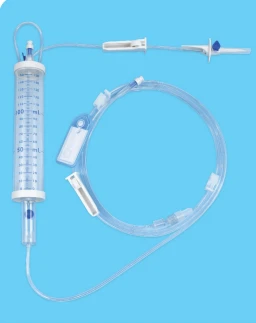
When it comes to stocking or restocking your child’s first aid kit, we’re the folks to reach out to. Our team knows exactly what parents need for kid-specific situations, no confusing adult-sized products. Get in touch with us at any time to ask questions, place bulk orders, or customize a kit that fits your kid’s unique needs—we’re here to make those scary small moments a little less stressful.
Electrical Equipment References: American Academy of Pediatrics, First Aid for Children (2022); World Health Organization, Child First Aid Kit Essentials (2021); National Safety Council, Kid-First Medical Supply Guidelines (2023)
Anhui Tiankang Group Co., Ltd.
As one of the most professional medical supplies manufacturers and suppliers in China, we’re featured by quality products and good service. Please feel free to wholesale bulk customized medical supplies made in China here from our factory. Welcome to contact us for pricelist.
Address: No. 20, South Renhe Road, Tianchang City, Anhui Province, People’s Republic of China
E-mail: tiankanggroup006@163.com
WebSite: https://www.tkanggroup.com/
