If you’ve ever stared at a box of freeze-dried camping meals (you know the ones — they rehydrate in 5 minutes and taste shockingly close to real food) and thought, “Wait, can this work for pasta too?” you’re not alone. I’m a freeze dryer supplier, and I get this question like clockwork from campers, meal preppers, even home bakers testing weird snack hacks. The short answer? Yeah, it can, but it’s not just shoving uncooked noodles into the machine and hitting “go” — there’s actual science here, and if you do it wrong, you’ll end up with a crumbly mess that turns to mush when you try to rehydrate it. Freeze Dryer
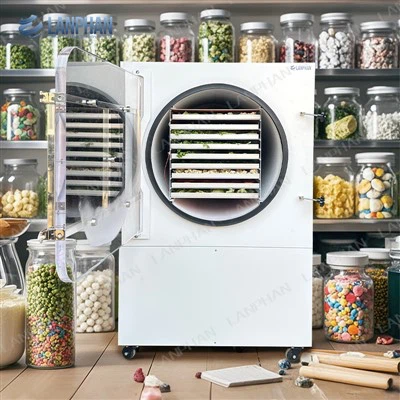
Let’s break this down like I would with a new customer testing a sample batch, no stuffy lab jargon unless it actually matters. First, why does freeze-drying even work for pasta in the first place? Freeze-drying is a two-step process: you freeze something super cold (way colder than your freezer, usually -40°F or lower), then suck out all the water from the frozen bits via vacuum — that’s sublimation, for the nerds. Unlike air-drying (which just pulls surface moisture out), freeze-drying gets every last drop from the inside of the food. Pasta’s mostly water, right? Raw pasta is like 30-40% water by weight, and even cooked pasta has that same amount or more, trapped in the starch strands. If you remove that water, the pasta’s shelf life jumps from 3-5 days in the fridge (for cooked) to 25+ years in a sealed bag — way longer than any other preservation method. That’s the big sell for outdoor folks, or anyone who wants to stock shelf-stable meals without weird preservatives.
But here’s the thing most people mess up: you can’t freeze-dry uncooked pasta and call it a day. Wait, why? Let’s talk structure. Uncooked pasta is made of dried durum wheat, with hard, tight starch granules. If you freeze-dry uncooked noodles, you’re just taking the remaining water out of them — they’ll stay hard, but when you try to cook them, they’ll rehydrate way too fast on the outside and stay crunchy on the inside. Worse, uncooked pasta has a lot of gluten that’s already set, so freeze-drying doesn’t break that down. You’ll end up with something that’s not quite pasta and not quite a brick — useless for eating. The only way to get it right is to cook the pasta first.
Wait, not overcook it, just al dente. Here’s the pro tip I give all my customers testing pasta batches: boil your noodles 1-2 minutes less than the package says. So if the box says 10 minutes, pull them at 8. Why? Because when you freeze-dry them, a little extra starch will gelatinize (that’s the fancy word for when starch absorbs water and gets soft) during the process, and overcooked pasta will turn into a sticky, mushy mess when you rehydrate. You want that perfect middle ground: tender but still firm, so when the freeze-dryer pulls the water, the structure stays intact. Don’t salt the water extra, either — too much salt can leave a weird aftertaste when you rehydrate, and it’s not necessary. Just plain, lightly salted boiling water is fine.
Once your pasta’s cooked, you have to cool it down fast. Don’t just leave it on the counter for 20 minutes — that’s how bacteria grow, and we’re not messing around with food safety. Toss it into a colander, rinse with cold water to stop the cooking process, then spread it in a single layer on a parchment-lined tray. This is key. If the pasta sticks together, you’ll get a giant clump of freeze-dried goop instead of individual noodles. I see this happen all the time with people who load too many noodles onto one tray — they melt together when they freeze, and you end up with something you can’t even pour into a pot. Thin layer, single noodles, no overlapping. That’s non-negotiable.
Now, the freeze-dryer process itself. How long does this take? Depending on the size of your batch, usually 24-36 hours. Here’s where my machine does its thing — we set it to a freeze temp of -40°F first, so every water molecule turns to ice before we start the vacuum. Then the vacuum pulls that ice directly into vapor (sublimation, like I said earlier) without melting the pasta. If your machine isn’t cold enough, you’ll get some melting, which ruins the structure. That’s why I always tell people: don’t cut corners on the freeze dryer. A cheap countertop machine might not hit that cold enough, and your pasta will come out lumpy and uneven.
Once the cycle is done, you have to do the “moisture test” — tap a noodle. If it sounds hard and crisp, it’s good. If it bends or feels squishy, it needs more time. The last thing you want is hidden moisture, because even a tiny bit will make the pasta go moldy in storage. I usually have my customers test a batch of our machine to get the timing right for different pasta shapes — spaghetti takes a bit longer than small macaroni, for example.
Now, the big question: what’s it like to rehydrate? Way better than you think. Most campers swear by it — you just add boiling water, cover, and let it sit 5-7 minutes. The noodles plump back up, they’re chewy, and they taste almost exactly like fresh cooked pasta. I’ve had customers tell me they make freeze-dried lasagna, freeze-dried pasta with marinara, even freeze-dried stir-fry noodles that taste better than the boxed camping stuff. No weird preservatives, just pasta and whatever sauce you want to mix in. It’s perfect for meal prep, too — I have a lot of busy parents who stock their pantries with freeze-dried pasta, so they can make a quick dinner without going to the store.
Wait, but is there a catch? Yeah, a couple. First, freeze-drying pasta isn’t cheap if you’re doing small batches at home. A countertop freeze dryer is a big investment, way more than a dehydrator. But if you’re someone who wants to make your own long-lasting meals, it’s worth it — the food comes out way better than dehydrated pasta, which is often brittle and takes twice as long to rehydrate. Another catch: you have to seal the freeze-dried pasta in an airtight container with oxygen absorbers, otherwise it will absorb moisture from the air and go bad. I always throw a pack of oxygen absorbers in with the pasta when I send samples to customers, because that’s the step people forget.
I get why some people are skeptical. Freeze-drying sounds like some fancy NASA technology, but it’s actually been around for decades. People use it for space food, for emergency food stores, for even pet treats. And pasta is a great candidate because it’s cheap, it’s shelf-stable, and it’s super versatile. You can freeze-dry any shape: spaghetti, penne, macaroni, even lasagna noodles cut into squares. I’ve had customers test stuffed pasta, too — ravioli freeze-dry really well, actually. You just have to make sure the filling isn’t too watery, otherwise it will turn to mush.
Let me share a quick story — last month, a customer of mine came to me with a batch of freeze-dried pasta he tried at home. He said he used his old freezer, not a proper freeze dryer, and the pasta came out crumbly. Turns out, his freezer only goes down to 0°F, not the -40°F needed. The water didn’t freeze solid, so when he pulled it, the pasta structure broke. That’s the kind of mistake you avoid when you use the right machine — I always tell new customers, don’t try to use a regular freezer for this. It’s not cold enough.
Another thing: some people ask if freeze-drying affects the nutrition. No, actually — unlike canning or cooking, freeze-drying doesn’t destroy most of the nutrients in pasta. The vitamins and minerals stay pretty much where they are, because the process doesn’t involve high heat. That’s a huge win for anyone who cares about eating healthy, instead of relying on processed camping meals.
Now, let’s talk uses. Besides camping, what else do people use freeze-dried pasta for? Emergency preparedness. FEMA says emergency food should have a long shelf life, and freeze-dried pasta lasts 25+ years if stored properly. That’s way longer than canned pasta, which is usually 2-5 years. I have a lot of preppers who stock up on freeze-dried pasta, because it’s easy to store, takes up less space than cans, and tastes way better. Also, food service — a lot of restaurants use freeze-dried ingredients to cut down on waste, and freeze-dried pasta lets them make large batches ahead of time without worrying about spoilage.
Wait, but should you use a freeze dryer for pasta if you’re just testing as a hobby? If you’re curious, yeah, go for it — get a small countertop machine, test a small batch, learn the timing. But if you’re serious about making large batches, or you want consistent results, you need a machine that’s built for food production. That’s where I come in — we have machines for home use, small businesses, even large-scale operations, all with the right temp controls and vacuum systems to make perfect freeze-dried pasta every time.
The biggest mistake people make when starting out is overcomplicating it. You don’t need to add anything to the pasta before freeze-drying — just cook it, cool it, spread it thin, and run the cycle. That’s it. I’ve had customers come to me saying they tried adding oil or herbs to the pasta before, and it made the freeze-drying process take longer, and the herbs came out powdery instead of tasting like they should. Keep it simple, that’s the key.
So can a freeze dryer be used for pasta? Absolutely — but only if you do it right. No shortcuts, no skipping the cooling step, no overloading the trays. The science is solid, the results are way better than any other preservation method, and it’s perfect for anyone who wants shelf-stable, tasty, healthy pasta for camping, meal prep, or emergency stores.
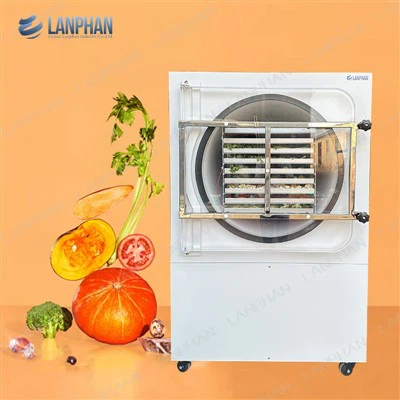
If you’re interested in testing a batch of freeze-dried pasta with our machines, or you just want to chat about the best way to get started, hit us up. We can help you with sample batches, troubleshooting, or finding the right size machine for your needs. No hard sell, just real advice from people who’ve been doing this for years.
Spray Dryer References
- Labuza, T. P. (1983). Freeze-drying of foods: Principles and applications. Food Technology, 37(12), 75-82.
- Ratti, C. (2001). Hot air and freeze-drying of high-value foods: A review. Journal of Food Engineering, 49(4), 311-319.
- U.S. Department of Agriculture. (2020). Food Preservation: Freeze-Drying. Agricultural Research Service.
- Camping Food Association. (2022). Best Practices for Freeze-Dried Backpacking Meals. Outdoor Industry Report.
- Food and Agriculture Organization of the United Nations. (2019). Shelf Life Extension of Staple Foods Using Freeze-Drying. Emergency Food Security Technical Bulletin.
Henan Lanphan Technology Co., Ltd.
We’re well-known as one of the leading freeze dryer manufacturers and suppliers in China. With abundant experience, we warmly welcome you to buy high quality freeze dryer for sale here from our factory. For price consultation, contact us.
Address: Room 801, East Tower, Xiyuan Square, Zhongyuan District, Zhengzhou City, Henan Province
E-mail: lanphantech@lanphan.com
WebSite: https://www.lanphantech.com/
