Hey there, let’s cut to the chase—if you’ve ever stared at that gorgeous layered crown moulding in your living room and thought, “Wait, could I put this outside my patio?” you’re not alone. I’ve gotten this question a hundred times (okay, maybe a little over a hundred) since I started running this decorative moulding supply gig, and the answer isn’t a flat “yes” or “no”—it’s way more nuanced than that. Most people assume moulding is just for inside walls, ceiling edges, or around door frames, but the truth is, outdoor decorative moulding is a game-changer for turning a basic backyard into a space that feels like it belongs in a home design magazine. The trick is knowing what kind of moulding works outside, what doesn’t, and how to keep it from getting wrecked by rain, sun, or that random snowstorm that pops up in April like an uninvited house guest. Decorative Moulding
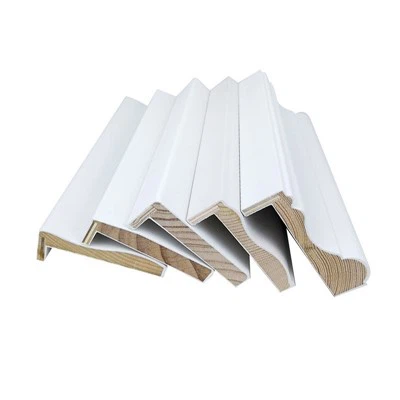
First, let’s get one thing straight: not all moulding is created equal. The stuff you buy for your hallway is made for indoor conditions—stable temps, no direct wind, minimal moisture exposure—and it’ll turn to mush outside if you slap it on a fence or a patio overhang. I’ve seen it happen. A customer last year bought our classic pine crown moulding to add curb appeal to their porch, and by mid-summer, it was warped like a cheap fast-food fry and peeling away from the wood. Oops. That’s why the first rule of outdoor moulding is pick a material that’s built for the elements. Let’s break down the good, the bad, and the ugly of materials I actually stock and stand behind.
First up, polyurethane moulding. This is my bread and butter for outdoor use. Poly is like the tough, weather-resistant cousin of the styrene or plaster moulding you see indoors. It’s lightweight, doesn’t absorb water (which is huge—water is moulding’s worst enemy, by the way), and it doesn’t warp, crack, or fade even after years of sun, rain, and whatever else Mother Nature throws at it. I’ve had a customer who put polyurethane dentil moulding around their garage door three years ago, and it looks exactly the same as the day we installed it. No chipping, no discoloration, nothing. The only catch with poly is that you need to paint it. Wait, but that’s not a con—painting it lets you match it to your home’s trim, siding, or even throw pillows, so you can really customize it. Just make sure you use exterior-grade paint, not the cheap interior stuff you have in your garage. Interior paint will peel off poly after a season, so splurge on a good latex exterior paint with a primer built-in. That’s a small step that makes a massive difference.
Next, there’s cellular PVC moulding. If you’re looking for something even tougher than poly, PVC is it. This stuff is basically the same material as the pipe under your sink, but it’s milled into decorative shapes—crown, dentil, panel moulding, even those fancy small corbels you see on outdoor shelves. PVC is 100% water-resistant, doesn’t rot, doesn’t attract termites (big one if you live in a humid area like Florida or Louisiana), and can handle extreme temps—think 100-degree summers or 10-degree winters—without changing shape. The only downside? It’s a little more expensive than poly, and it’s a bit stiffer to cut if you’re a DIYer, but most people who go PVC say it’s worth every penny. I sold a whole set of PVC colonial trim to a guy who’s got a 100-year-old home in Ohio, and he told me last month that it survived that brutal winter a couple back better than his actual house siding. No exaggeration.
Now, let’s talk about the natural wood options, because some people swear by wood for that classic look. Solid cedar and redwood are the only woods I recommend for outdoor moulding, and even then, they need a lot of maintenance. Cedar and redwood have natural oils that repel water and resist rot, but they’re not invincible. If you leave them raw or just paint them once a year, they’ll fade to a gray, chalky mess in two years. Wait, but if you seal them properly every 6-12 months with an exterior stain or UV-protective sealer, they can look amazing for decades. A customer in Seattle put cedar rope moulding around his patio columns, and he stains it once a year—he says it’s 10 years old and still looks sharp. But if you skip staining? You’ll be replacing it sooner than you want. Pro tip: Avoid pine or oak for outdoor use. Pine is soft, absorbs water like a sponge, and will rot in a year. Oak is way too heavy, and it’s prone to splitting in extreme temps. I once had a guy bring me a batch of rotting oak moulding he tried to put on his porch, asking if we could “fix it” and I had to tell him—nope, time to toss it and start over with something better.
Wait, what about the stuff you see on old colonial homes? Like, those plaster moulding accents on historic porches? Can that work outside? Not really. Plaster is super fragile, it absorbs water, and it’ll crack if there’s even a tiny temperature swing. I don’t stock plaster moulding at all for outdoor projects, and I’d never recommend it. It’s just not built to hold up to the elements. And styrene moulding—those cheap, thin pieces you buy at the big box store for $5 a foot? Skip that outside too. It’ll get brittle in the sun and snap after a few months. I see so many DIYers waste money on that stuff, and then they’re back here asking for something that actually lasts.
Okay, so you’ve got your material picked out—now what? It’s not just the moulding itself, it’s how you install it. I can sell you the best outdoor moulding in the world, but if you install it wrong, it’ll still fall apart. Let’s talk about installation tips I’ve learned over the years, because I’ve messed up too (once I tried to install crown moulding on a 12-foot patio overhang and didn’t use enough screws, and it almost flew off during a thunderstorm. Embarrassing, but lesson learned).
First, prep the surface. Whether you’re putting moulding on a patio, garage door, fence, or porch overhang, make sure the surface is clean, dry, and free of dirt, moss, or old paint. If you’re working with wood, sand it lightly so the paint or sealer adheres better. For poly or PVC, a quick wipe with rubbing alcohol will take off any manufacturing residue so the paint sticks.
Second, use the right fasteners. No little brad nails here—they’re too small and will pull out in a year. For poly or wood moulding, use 1.5-inch exterior-grade screws. For PVC, use corrosion-resistant stainless steel screws because regular steel will rust and leave stains. Pro tip: Pre-drill holes for screws, especially with PVC, because if you try to drive a screw straight in, it’ll crack the material. Pre-drilling prevents that.
Third, caulk the seams. Between pieces of moulding, and where the moulding meets the wall, trim, or column, use a paintable exterior caulk. This keeps water from seeping into the gaps, which is how moulding warps or rots. Don’t use interior caulk—it won’t hold up outside. And make sure you smooth the caulk with a wet finger so it looks neat, not like a lumpy mess.
Fourth, finish it properly. I mentioned this earlier, but it’s worth repeating: paint poly or PVC with exterior-grade, 100% acrylic paint. It’s flexible, so it won’t crack when the material expands and contracts in hot/cold weather. For cedar or redwood, use an exterior stain with UV protection—clear sealers will make it look wet for a few weeks, then turn gray. A solid stain will give you more color and better protection. Avoid semi-transparent stains if you want long-lasting color—they’re pretty but don’t block UV rays as well.
Now, let’s talk about when outdoor moulding makes total sense, and when it’s probably not worth it. If you’re trying to spruce up your curb appeal, that’s a no-brainer. A simple row of dentil moulding around your garage door or a few corbels under your porch overhang makes your home look more polished, like you put in effort. It’s also great for outdoor living spaces—patio ceilings, pergolas, pool houses, even outdoor kitchen cabinet edges. I had a customer who put panel moulding around his outdoor fridge, and it looks so custom that people ask if he paid a designer thousands. For small projects, like adding a decorative trim around your front door, it’s totally doable as a DIY. But if you’re doing a huge, complicated historical-style moulding installation on a 2-story porch? Maybe hire a professional. I’ve seen DIYers overcomplicate the angles on crown moulding for a high ceiling, and end up with gaps that let water in and look messy.
Wait, let’s address a common myth I hear all the time: “Outdoor moulding is super expensive, so it’s only for fancy homes.” Nope. Poly and PVC moulding are actually pretty affordable, especially compared to custom wood. You can get a 8-foot piece of polyurethane crown moulding for under $30, which is way cheaper than hiring a carpenter to make custom wood moulding. And a single PVC corbel is like $20-$40, so you can add accents without breaking the bank. I’ve had first-time homeowners come in on a tight budget, and we’ve put together outdoor moulding packages that cost less than $500, and they look amazing. It’s an easy way to boost your home’s value too—real estate agents will tell you that small, updated exterior details add way more curb appeal than a new paint job sometimes.
Another thing to consider: climate. If you live in a place with really harsh weather—like Arizona, where it’s 115 degrees in the summer, or Minnesota, where it’s -20 in the winter—you need to pick moulding that’s built for that. PVC is the best for extreme temps because it doesn’t expand or contract as much as other materials. Poly is also pretty good, but cedar/redwood might need extra sealing to handle big temp swings. If you live in a super humid area, like Florida or Georgia, stay away from wood (even cedar) if you don’t want to deal with mildew. Poly and PVC are mold-resistant, so they’re way better for damp climates.
I mentioned earlier that I run this supply gig, so I should be transparent: I stock all these materials, and I’ve tested every single one myself. I don’t push something on customers that I wouldn’t use in my own home. My own backyard has a small patio pergola with poly crown moulding and PVC corbels, and it’s been up for 4 years now, and it still looks exactly like the day I installed it. No warping, no fading, no issues. That’s why I feel confident telling people this stuff works.
Wait, but what about maintenance? I know some people hate extra work, so let’s be real: outdoor moulding isn’t “set it and forget it” forever. The upkeep is minimal, though. For poly or PVC, just wipe it down with a damp cloth once a year to get rid of dirt or pollen, and touch up paint every 2-3 years if it’s a little faded. For cedar/redwood, you need to re-stain it every 6-12 months, depending on how much sun it gets. That’s it. No sanding, no major repairs, just quick, easy upkeep. Compare that to replacing a rotting porch board every year, and it’s totally worth it.
I’ve also seen some wild, cool uses for outdoor moulding that people don’t usually think about. Like, adding small rope moulding around the edges of your outdoor step risers to make them look less plain, or putting dentil moulding along the top of a privacy fence to make it look more decorative than just a plain wooden wall. One customer even added small corbels to the sides of their fire pit area to make it feel more intentional. It’s the little details that make a backyard feel like an extension of your home, not just a place to grill.
Let me circle back to the original question: Can decorative moulding be used outdoors? The answer is a resounding yes—if you pick the right material, install it correctly, and keep up with basic maintenance. You don’t have to settle for a boring, plain exterior. A few pieces of well-chosen outdoor moulding can turn a cookie-cutter home into something that feels personalized, boost your curb appeal, and even add value to your property.
If you’re ready to try it, or you’re still not sure what material works best for your project, I’m here to help. I can walk you through the different types, give you tips for measuring, or even help you pick the right pieces for your home’s style. No pressure, just straight-up advice from someone who’s been in this game for years, seen all the mistakes, and knows what actually holds up outside. Don’t waste your time or money on the cheap indoor stuff that’ll fall apart in a season. Go with moulding built for the elements, and you’ll have a beautiful outdoor space you can enjoy for years.

If you have questions, want to see samples, or get a quote for your project, hit me up. Let’s make your backyard (or front porch, or garage, or whatever) look amazing with custom, long-lasting decorative moulding.
Wood Veneer References:
- American Wood Protection Association. (2021). Outdoor Wood Products: Durability and Maintenance Guidelines.
- PVC Association. (2022). Architectural PVC Trim: Performance Characteristics for Exterior Use.
- National Association of Home Builders. (2023). Curb Appeal Trends: Exterior Decorative Details That Boost Home Value.
- Decorative Moulding Manufacturers Association. (2020). Polyurethane vs. Cellular PVC Moulding: Best Uses for Residential Exteriors.
Yongkang City Dashu Decorative Materials Co., Ltd.
As one of the most professional decorative moulding manufacturers and suppliers in China, we have world-leading production equipment and strong manufacturing capabilities. Please rest assured to buy bulk customized decorative moulding at low price from our factory.
Address: No. 1199, Huajie West Avenue, Huajie Town, Yongkang City
E-mail: m13506791251@163.com
WebSite: https://www.dashutrim.com/
