When it comes to the world of printing, selecting the right ceramic anilox roller can significantly influence the overall quality of your printing job. As a supplier of ceramic anilox rollers, I understand the intricacies involved in this decision-making process. In this blog, I’ll share some essential insights to help you choose the perfect ceramic anilox roller for your specific printing needs. Ceramic Anilox Roller
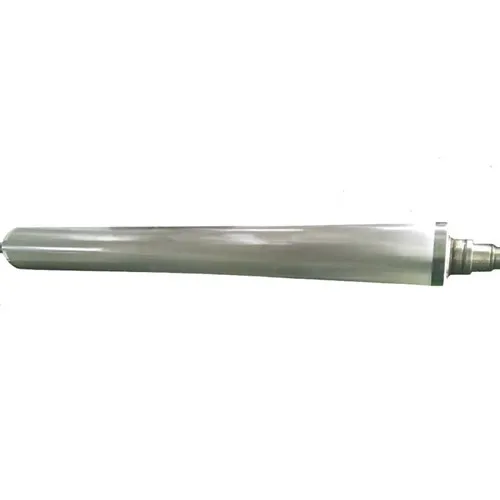
Understanding the Basics of Ceramic Anilox Rollers
Ceramic anilox rollers play a crucial role in the flexographic and gravure printing processes. These rollers are used to transfer a precise amount of ink from the ink chamber to the printing plate, which then transfers the ink onto the substrate. The ceramic coating on these rollers offers several advantages over traditional steel or chrome-plated rollers, including higher resistance to wear, better ink transfer characteristics, and longer durability.
The surface of a ceramic anilox roller is engraved with tiny cells that hold the ink. The size, shape, and density of these cells determine the amount of ink that the roller can carry and transfer. A well-designed ceramic anilox roller can ensure consistent and accurate ink application, resulting in high-quality prints.
Factors to Consider When Choosing a Ceramic Anilox Roller
1. Line Count
The line count of a ceramic anilox roller refers to the number of cells per linear inch on the roller’s surface. A higher line count means more cells per inch, which results in a finer ink deposit. Line count is a critical factor as it directly impacts the print resolution and the amount of ink transferred.
- Low Line Count (80 – 300 lines per inch): These rollers are suitable for applications that require a heavy ink deposit, such as solid fills and large areas of color. They are commonly used in the packaging industry for printing on corrugated boards, where a thick layer of ink is needed to ensure good coverage.
- Medium Line Count (300 – 600 lines per inch): Ideal for general-purpose printing jobs, including process color printing. They offer a balance between ink coverage and print resolution, making them suitable for a wide range of substrates, such as paper, cardboard, and thin films.
- High Line Count (600+ lines per inch): Used for applications that demand high print resolution, such as fine art reproduction, magazine printing, and labels. High line count rollers can transfer a very thin layer of ink, allowing for smooth gradients and sharp details in the print.
2. Cell Volume
The cell volume of a ceramic anilox roller refers to the total amount of ink that the cells can hold. It is measured in cubic centimeters per square meter (cm³/m²). The cell volume is determined by the size and depth of the cells, as well as their density.
- High Cell Volume: Rollers with a high cell volume are capable of holding and transferring a large amount of ink. They are suitable for printing on porous substrates or when a heavy ink deposit is required. For example, printing on corrugated cardboard often requires a high cell volume roller to ensure adequate ink coverage.
- Low Cell Volume: These rollers are used when a thin layer of ink is needed, such as in applications where fine details and smooth gradients are important. Low cell volume rollers are commonly used in high-resolution printing on non-porous substrates, like plastic films and metal foils.
3. Cell Shape
The shape of the cells on a ceramic anilox roller also affects ink transfer and print quality. There are several common cell shapes, each with its own characteristics:
- Hexagonal Cells: Hexagonal cells are the most widely used shape in ceramic anilox rollers. They offer a good balance between cell volume and ink release. The hexagonal shape allows for efficient ink filling and transfer, resulting in consistent ink coverage.
- Square Cells: Square cells provide a higher cell volume compared to hexagonal cells of the same size. They are suitable for applications that require a heavy ink deposit. However, square cells may have a slightly lower ink release efficiency, which can affect the print quality in some cases.
- Triangular Cells: Triangular cells are less common but offer unique advantages in certain applications. They have a high ink release efficiency and can provide a very uniform ink deposit. Triangular cells are often used in high-resolution printing jobs where precise ink control is required.
4. Printing Substrate
The type of substrate you are printing on is another important factor to consider when choosing a ceramic anilox roller. Different substrates have different surface properties, such as porosity, smoothness, and absorbency, which can affect ink transfer and print quality.
- Porous Substrates: Porous substrates, such as paper and cardboard, absorb ink quickly. For these substrates, a high cell volume roller is usually required to ensure adequate ink coverage. Additionally, the cell shape and line count should be selected to optimize ink transfer and prevent ink penetration into the substrate.
- Non-Porous Substrates: Non-porous substrates, like plastic films and metal foils, do not absorb ink. Therefore, a lower cell volume roller is often used to avoid ink pooling and ensure a thin, even layer of ink. The cell shape should be chosen to promote good ink release and adhesion to the substrate.
5. Ink Type
The type of ink you are using also plays a role in the selection of a ceramic anilox roller. Different inks have different viscosities, pigments, and drying properties, which can affect ink transfer and the performance of the roller.
- Solvent-Based Inks: Solvent-based inks have a relatively low viscosity and dry quickly. They require a roller with a moderate cell volume and a well-designed cell shape to ensure efficient ink transfer. The ceramic coating on the roller should be resistant to the solvents used in the ink to prevent damage.
- Water-Based Inks: Water-based inks are environmentally friendly but have a higher viscosity than solvent-based inks. They may require a roller with a higher cell volume to ensure adequate ink transfer. Additionally, the cell shape should be chosen to promote good ink release, as water-based inks tend to stick to the cells more than solvent-based inks.
- UV Inks: UV inks are cured by ultraviolet light and have unique properties that require special consideration. They typically require a roller with a low cell volume to prevent overprinting and to ensure a thin layer of ink that can be quickly cured. The ceramic coating on the roller should be compatible with the UV curing process to prevent damage.
Working with a Reliable Supplier
Choosing the right ceramic anilox roller is a complex process that requires a good understanding of the printing process, the substrate, and the ink. As a supplier, I am committed to providing our customers with the highest quality ceramic anilox rollers and the best possible service.
We have a team of experienced professionals who can help you select the right roller for your specific printing job. We offer a wide range of ceramic anilox rollers with different line counts, cell volumes, and cell shapes to meet your diverse needs. Our state-of-the-art manufacturing facilities ensure that our rollers are produced with the highest precision and quality control.
In addition to providing high-quality products, we also offer comprehensive technical support and after-sales service. We can assist you with roller installation, maintenance, and troubleshooting to ensure that your printing process runs smoothly.
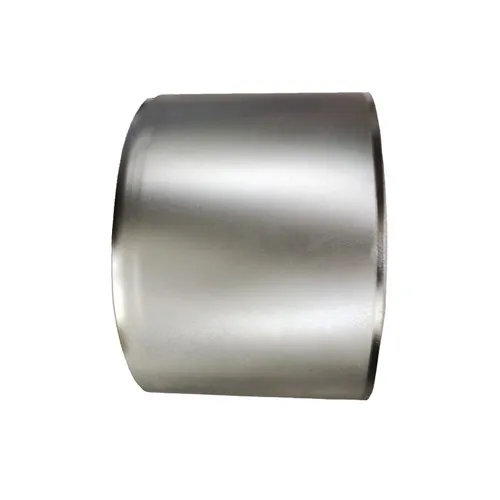
Anilox Sleeve If you are looking for a reliable supplier of ceramic anilox rollers, we would be glad to help. Contact us to discuss your printing requirements, and our team will work with you to find the perfect solution for your printing job.
References
- "Flexographic Printing: Principles and Practices" by John F. Carlin
- "Gravure Printing Technology" by Helmut Kipphan
- "Ink Transfer and Printing Processes" by R.H. McKellar
Kunshan Hanhan Co., Ltd.
We’re well-known as one of the leading ceramic anilox roller manufacturers and suppliers in China. We warmly welcome you to buy high quality ceramic anilox roller made in China here from our factory. If you have any enquiry about cooperation, please feel free to email us.
Address: No. 1093, B Zone, No. 2 Xugongqiao Rd, Huaqiao Town, Kunshan City, Suzhou, Jiangsu, China
E-mail: info@kshhroller.com
WebSite: https://www.kshh-roller.com/
