Can an Isolation Transformer be Used in a Lighting System?
As a seasoned supplier of isolation transformers, I’ve encountered numerous inquiries regarding the possible application of our products in lighting systems. This topic is not only of technical interest but also holds practical significance for those seeking reliable and efficient lighting solutions. In this blog, I’ll delve into the details of whether an isolation transformer can be used in a lighting system, exploring its advantages, potential drawbacks, and the circumstances where it’s most appropriate. Isolation Transformer
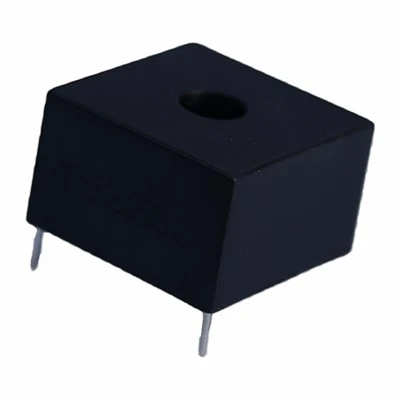
Understanding the Basics of Isolation Transformers
Before we discuss the use of isolation transformers in lighting systems, it’s essential to understand what they are and how they work. An isolation transformer is a type of transformer that provides electrical isolation between its primary and secondary windings. This means that there is no direct electrical connection between the input and output circuits. Instead, the energy is transferred through electromagnetic induction. The primary function of an isolation transformer is to protect electrical equipment and users from electrical shocks by isolating the electrical supply from the load.
Isolation transformers are commonly used in various applications, including medical equipment, sensitive electronic devices, and industrial machinery. They help to reduce electrical noise, prevent ground loops, and improve overall electrical safety.
Advantages of Using Isolation Transformers in Lighting Systems
One of the primary advantages of using an isolation transformer in a lighting system is enhanced safety. In a standard lighting circuit, electrical faults can occur due to factors such as short circuits, ground faults, or insulation breakdown. These faults can pose a significant risk of electric shock to users and can also lead to damage to the lighting fixtures.
By using an isolation transformer, the electrical supply to the lighting fixtures is isolated from the main electrical system. This means that in the event of a fault, the current is restricted to the secondary circuit of the transformer, reducing the risk of electric shock. Additionally, isolation transformers can help to protect the lighting fixtures from power surges and voltage fluctuations, which can extend their lifespan and improve their performance.
Another benefit of using isolation transformers in lighting systems is the reduction of electromagnetic interference (EMI). EMI can cause visible flickering or buzzing in lighting fixtures, which can be both annoying and detrimental to the overall lighting quality. Isolation transformers help to filter out EMI by providing a clean and stable electrical supply to the lighting fixtures. This results in a more consistent and flicker-free lighting environment, which is especially important in applications such as photography studios, hospitals, and theaters.
Furthermore, isolation transformers can be used to step up or step down the voltage in a lighting system. This can be particularly useful in situations where the lighting fixtures require a different voltage than the available electrical supply. For example, in some older buildings, the electrical supply may be 240V, but the lighting fixtures require 120V. By using an isolation transformer, the voltage can be stepped down to the appropriate level, ensuring that the lighting fixtures operate safely and efficiently.
Potential Drawbacks of Using Isolation Transformers in Lighting Systems
While there are many advantages to using isolation transformers in lighting systems, there are also some potential drawbacks that should be considered. One of the main drawbacks is the cost. Isolation transformers are generally more expensive than standard transformers or other types of power supplies. This can increase the initial installation cost of the lighting system, which may be a deterrent for some users.
Another potential drawback is the size and weight of the isolation transformer. Isolation transformers can be relatively large and heavy, especially for higher power ratings. This can make them difficult to install in some applications, particularly in areas where space is limited. Additionally, the weight of the transformer can put additional stress on the mounting structure, which may require additional reinforcement.
Finally, isolation transformers can have some efficiency losses. During the process of energy transfer from the primary to the secondary winding, some energy is lost in the form of heat. This means that the output power of the transformer is slightly less than the input power. While these losses are typically small, they can accumulate over time and result in higher energy consumption.
When to Use an Isolation Transformer in a Lighting System
Despite the potential drawbacks, there are several situations where using an isolation transformer in a lighting system is highly recommended. One such situation is in environments where safety is of utmost importance. For example, in hospitals, schools, and public buildings, the risk of electric shock must be minimized. Isolation transformers can provide an additional layer of safety by isolating the electrical supply to the lighting fixtures.
Another situation where an isolation transformer may be necessary is in applications where EMI is a concern. As mentioned earlier, EMI can cause flickering and buzzing in lighting fixtures, which can be a nuisance and affect the quality of the lighting. In environments such as recording studios, laboratories, and data centers, where a clean and stable electrical supply is essential, isolation transformers can help to eliminate EMI and ensure optimal lighting performance.
Isolation transformers are also useful in lighting systems that require a different voltage than the available electrical supply. For example, in some industrial applications, the lighting fixtures may require a higher or lower voltage than the standard 230V or 120V supply. By using an isolation transformer, the voltage can be adjusted to meet the specific requirements of the lighting fixtures.
Conclusion
In conclusion, an isolation transformer can indeed be used in a lighting system, and it offers several significant advantages, including enhanced safety, reduced EMI, and the ability to adjust the voltage. However, it’s important to weigh these advantages against the potential drawbacks, such as cost, size, and efficiency losses.
Ultimately, the decision to use an isolation transformer in a lighting system should be based on the specific requirements of the application. If safety, EMI reduction, or voltage adjustment are critical factors, then an isolation transformer may be the right choice.
Current Transformer If you’re considering using an isolation transformer in your lighting system or have any questions about our products, I encourage you to reach out. Our team of experts is available to provide you with detailed information, technical support, and help you find the best isolation transformer solution for your needs. Let’s start a discussion and explore how our isolation transformers can improve your lighting system.
References
- Electrical Safety: A Comprehensive Guide, by John D. Kelly
- Handbook of Transformer Design and Applications, by Theodore McLyman
- Lighting Design: Principles and Practice, by Jennifer L. Bonham
Dongguan Hensiron Electric Co., Ltd.
As one of the most professional isolation transformer suppliers in China, we have world-leading production equipment and strong manufacturing capabilities. Please feel free to buy high quality isolation transformer made in China here from our factory. Customized orders are welcome.
Address: Building 4, Xinxing Industrial Zone, Wangao Road, Wanjiang Street, Dongguan City, China
E-mail: jessica@dghensiron.com
WebSite: https://www.dghensiron.com/
