If you’re reading this, chances are you rely on 912 or 913 series engine parts—whether you’re a small aircraft maintenance shop, a private pilot, or a commercial fleet operator who knows these air-cooled powerplants inside and out. For the past seven years, I’ve run a 912/913 spare parts supply business out of a small Midwest workshop, and I’ve lost count of how many times I’ve heard operators say, “These parts should last longer.” The truth is, durability isn’t just about the quality of the raw material or the precision of machining—it’s also about how you handle, install, maintain, and even store those parts once they leave our shelves. In this post, I’m going to share the practical, field-tested strategies that we’ve refined over thousands of customer orders to help you get more life out of your 912 and 913 components. Let’s cut through the generic aviation maintenance manuals and talk about what actually works, because I don’t sell parts that don’t stand up to the test—my reputation lives on the parts I supply, and your airplane’s reliability does too. 912/913 Spare Parts
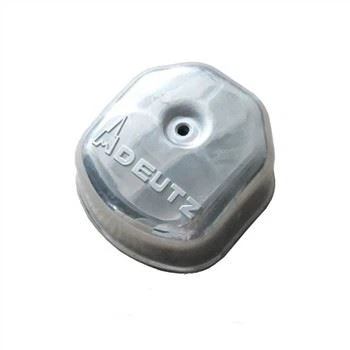
First, let’s start with the basics: when you receive a new 912 or 913 part, you’re likely eager to get it installed, but skipping the initial inspection step is one of the most common mistakes I see. A few years back, we had a customer who installed a new 913 crankshaft from our stock without checking for surface imperfections. Mid-flight, the crank failed, and he ended up stranded in a field 200 miles from home. When he shipped the part back to us, we found a tiny, near-microscopic forging flaw along the crank’s counterweight—something that would never have been noticeable during machining, but that would crack under the stress of high-load operation. The problem? He’d skipped the dye-penetrant inspection (DPI) that’s recommended for critical rotating parts. For 912/913 series, this isn’t just a “good idea”—it’s a non-negotiable step. Rotating parts like crankshafts, connecting rods, and camshafts operate at thousands of RPM, and even a 0.001-inch surface crack can turn into a catastrophic failure in hours. We don’t just box parts up and ship them out; every component we supply gets a quick DPI check before it leaves our shop, but that doesn’t mean you don’t need to verify it on your end. Take 10 extra minutes to run a dye penetrant over all critical parts, especially if they’ve been sitting in storage for more than 90 days. Dust, humidity, or even minor condensation can create micro-pits that weaken the material over time, and catching that early will save you from a far bigger headache later.
Next, let’s talk about installation—another area where even experienced mechanics cut corners that shorten part life. I’ve seen dozens of 912 engines with prematurely worn cylinder barrels, all because mechanics used a standard torque wrench to tighten the cylinder base bolts instead of following the specific torque sequence and lubrication guidelines for these engines. The 912 and 913 series are air-cooled, so their cylinder barrels rely on even pressure distribution to maintain proper heat transfer. If you tighten bolts in a random order, you create hot spots that cause the aluminum barrels to expand unevenly, leading to scuffing, piston ring wear, and eventually, barrel failure. The rule here is simple: for all critical fasteners—cylinder base bolts, connecting rod bolts, and main bearing bolts—follow the torque sequence outlined in the Rotax maintenance manual, and always lubricate the fastener threads and under-head surfaces with a high-quality aviation grease (we recommend a moly-based grease that’s rated for high-temperature operation, not generic wheel bearing grease). I once had a customer who insisted he “knew better” than the manual, and he tightened his connecting rod bolts to 40 ft-lbs instead of the specified 38. Within 10 hours of flight, one of the bolts stretched, causing a rod knock that destroyed his engine. When he asked why our connecting rods (which were from the same batch) had lasted in another customer’s engine, the answer was simple: that customer followed the torque specs to the letter. Over-tightening is just as bad as under-tightening for rotating parts, because it creates excess stress that leads to bolt fatigue and breakage. Don’t cut corners here—take the time to work through the sequence slowly, checking torque at each step, and you’ll add hundreds of hours to your parts’ lifespan.
Storage is another overlooked factor that I see causing unnecessary part failures, especially for operators who keep spare parts on hand for emergency repairs. The 912 and 913 series use a mix of aluminum, steel, and rubber components, all of which react differently to storage conditions. Steel parts like crankshafts and connecting rods are prone to rust if exposed to even minor humidity, while rubber components like hoses, seals, and vibration dampers degrade when stored in direct sunlight or extreme temperatures. A few years back, we shipped a batch of rubber fuel lines to a customer in Alaska, who stored them in his unheated hangar over the winter. When he went to install them in the spring, the lines had become brittle and cracked—all because the temperature fluctuations between -20°F and 60°F broke down the rubber compound. For spare parts, we recommend storing them in a climate-controlled environment, ideally between 40°F and 70°F, away from direct sunlight. For metal parts, wrap them in an anti-corrosion film (we supply these for free to our regular customers) and place a small silica gel packet in the storage container to absorb any moisture. For rubber and plastic components, keep them in their original packaging if possible, and avoid stacking heavy items on top of them—pressure from stacking can cause permanent deformation in vibration dampers and seals that will lead to leaks or premature failure. I also tell customers to rotate their spare parts every six months, even if they haven’t been opened. Parts that sit unused for years can develop “shelf fatigue”—steel parts develop micro-cracks from being in the same position, while rubber parts lose their elasticity. A quick check of your spares every six months will catch this before you need to use them.
Maintenance habits also play a huge role in extending 912/913 part life, and I’m not just talking about oil changes—though that’s a big one. The 912 and 913 are dry sump engines, right? That means they rely on a consistent oil supply to lubricate all rotating and moving parts, and even a minor oil pressure drop can cause excessive wear on crankshafts, camshafts, and piston rings. I’ve had customers who skipped oil analysis because they “didn’t have time,” and ended up replacing a whole engine when a simple oil change and filter swap would have caught contamination early. For these engines, oil analysis every 50 hours is non-negotiable. Contaminants like metal shavings, fuel dilution, or water in the oil are the biggest causes of premature part wear, and an oil analysis will catch these issues before they cause damage. If you see small amounts of iron or aluminum in the oil, that’s a sign that a bearing or piston is wearing, and you can address it before it leads to a catastrophic failure. Another maintenance step that’s often overlooked is cleaning the cylinder fins. The 912 and 913 are air-cooled, so clogged fins from dirt, bugs, or oil residue block airflow, leading to higher operating temperatures. Higher temperatures mean faster wear on piston rings, cylinder barrels, and valves. We recommend cleaning the cylinder fins every 100 hours using a soft-bristled brush and a mild aviation cleaner—no pressure washers, because high-pressure water can force water into the engine’s spark plug holes or valve covers, leading to corrosion. Simple, consistent maintenance like this can add 200+ hours to your parts’ lifespan without any extra cost.
When it comes to wearing parts, like piston rings, valve seats, and spark plugs, choosing the right part and installing it correctly makes a huge difference. A lot of operators opt for generic aftermarket parts to save a few bucks, but for 912/913 series, not all aftermarket parts are created equal. I’ve tested dozens of generic piston rings over the years, and most don’t have the same tensile strength as the original Rotax rings. They wear out faster, leading to higher oil consumption and lower engine power. That said, not all high-quality parts come from the original equipment manufacturer (OEM)—we work with several precision manufacturers who make aftermarket parts that meet or exceed Rotax specs, using the same materials and machining processes. The key here is to avoid cheap, no-name parts, and to check that any replacement piston rings, for example, have the correct ring gap. The ring gap is critical—if the gap is too small, the rings will bind and break; if it’s too large, oil will leak past, leading to increased wear. We supply all our piston rings with the correct gap specs, but it’s still your responsibility to verify the gap during installation. For valve seats, make sure they’re machined to the correct angle—any deviation from the 45-degree angle specified by Rotax will cause poor sealing, leading to valve wear and lost power.
I also want to talk about how operating habits affect part durability, because this is something that not a lot of people consider. The 912 and 913 series are designed for a specific operating range, and pushing them outside that range will shorten part life drastically. For example, operating the engine at full throttle for extended periods (more than 10 minutes at a time) puts excessive stress on the crankshaft and connecting rods, leading to fatigue cracks. Short, frequent takeoffs and landings with cold starts also cause more wear than steady, consistent cruise flight. When you start a cold engine, the oil is thick and doesn’t flow to all parts immediately, leading to metal-on-metal contact between the pistons, cylinders, and crankshaft. I recommend letting the engine idle for 30 to 60 seconds after start-up to let the oil pressure build up, and avoiding full throttle until the oil temperature reaches 140°F. Similarly, don’t let the engine idle for more than 10 minutes at a time, because that can cause carbon buildup on the valves and piston tops, which leads to increased combustion chamber pressure and valve wear. Even something as simple as how you taxi the plane can affect part life—hard, sharp turns on the ground put extra stress on the engine mounts and vibration dampers, so take it easy when moving around the ramp.
Over the years, we’ve also learned that documenting everything helps catch issues early. Keep a log of every part you install, along with the torque specs used, the hours on the engine when it was installed, and any maintenance performed. If you notice an unusual wear pattern on a connecting rod bearing, for example, you can check the log to see if you used the correct torque, if the oil was contaminated, or if the engine was operated outside its normal range. We have a free digital log tool for our customers, designed specifically for 912/913 series engines, that lets you track part life, oil changes, and maintenance tasks all in one place. It might seem like a small thing, but having that data can help you make smarter decisions about when to replace parts, instead of waiting for a failure.
At the end of the day, improving the durability of your 912/913 spare parts isn’t about buying the most expensive parts or following the fanciest maintenance manual—it’s about being intentional at every step: when you receive the part, when you install it, when you store it, when you maintain it, and when you operate the engine. I’ve seen operators use our parts and get 2,000+ hours out of a crankshaft, while others use the same parts and get 500 hours, simply because of the small choices they make along the way. Our goal isn’t just to sell you a part—it’s to help it last as long as possible, because a happy customer who gets reliable parts comes back, and that’s how we’ve built our business over the past seven years. If you’re looking for high-quality, tested 912/913 spare parts, or if you have questions about specific parts, installation, or maintenance, we’re here to help. Just reach out to our team, and we’ll be happy to walk through whatever you need.

When it comes to aviation parts, there’s no room for shortcuts. Cutting corners on installation, maintenance, or storage might save you a few dollars upfront, but it will cost you far more in downtime, repairs, and safety later. Take the time to do things right, and your 912/913 parts will serve you reliably for thousands of hours.
1015/2015 Spare Parts References
Federal Aviation Administration. (2020). Aviation Maintenance Technician Handbook: Powerplant. U.S. Department of Transportation.
Rotax. (2021). 912 Series Engine Maintenance Manual. BRP-Rotax GmbH & Co. KG.
ASTM International. (2019). Standard Practice for Liquid Penetrant Testing of Metallic Materials. ASTM E165.
Xingtai Haoheng Trading Co., Ltd.
Xingtai Haoheng Trading Co., Ltd. is one of the most professional 912/913 spare parts manufacturers and suppliers in China, specialized in providing high quality auto parts made in China. We warmly welcome you to wholesale discount 912/913 spare parts in stock here from our factory. For customized service, contact us now.
Address: No.88, Quannan Street, Shangquancheng, Xingtai, Hebei, China.
E-mail: Zhang@hauhen.com
WebSite: https://www.xtengineparts.com/
