Alright, let’s cut to the chase—if you’re deep into dropshipping on Shopify, you’ve probably heard a million “get rich quick” lies that make this sound like a walk in the park. As someone who’s run a Shopify dropshipping supply partner for years, I’ve seen too many new store owners crash and burn from the same dumb, avoidable mistakes. I’m not here to sugarcoat it—this stuff is real, and if you skip over this, you’ll be the one staring at a dead store in 3 months, wondering where you went wrong. Dropshipping Shopify

First off, let’s talk about picking the wrong products. I see this every single week: a store owner finds a random TikTok viral item (like those mini LED string lights shaped like coffee mugs) and thinks, “This will sell itself.” News flash: TikTok viral stuff is a fad, not a long-term winner. Or worse, they go with a product that’s too low-cost, like a $5 phone popsocket, only to realize the profit margin is 2 bucks when you factor in Shopify fees, ad spend, and supplier costs. Wait, no—actually, a lot of new dropshippers forget about ad spend. If you’re dumping $100 a day into Facebook ads for a $3 profit item, you’re not making money, you’re just burning cash. Even worse, some pick products with insane competition—every Tom, Dick, and Harry is selling the same fidget toys, so you can’t stand out at all. I’ve had store owners come to me begging to switch products because their initial pick died off after 2 weeks. Pro tip: stick to products with consistent demand, not just 15 minutes of fame. Things like waterproof dog boots, reusable silicone food bags, or even portable phone chargers that actually work for heavy users—those are the kind that stick.
Next up, relying on one single supplier. Oh man, this is a disaster waiting to happen. Let me give you a real example: a store I work with had a big order for 500 of their best-selling stainless steel water bottles. Their supplier bailed last minute—said they had a production delay out of nowhere. The store owner panicked, couldn’t find a replacement fast enough, and lost 100+ pre-orders, plus a bunch of negative reviews. I get it, it’s tempting to go with the cheapest supplier on AliExpress or whatever, but that’s a one-way ticket to supplier hell. Good dropshipping suppliers—like mine, for example—have backup manufacturers, track inventory in real time, and communicate with you the second there’s a delay. If your supplier only checks in once a month, or ignores your messages when you ask about stock? Ditch them. I’ve had stores come to me because their old supplier shipped the wrong size items, or sent broken products, and they couldn’t get a refund. Don’t make that mistake—always have at least two backup suppliers for your top products.
Then there’s the whole “set it and forget it” mentality. So many new store owners spend 2 days setting up their Shopify store, list 10 random products, run a few $5 Facebook ads, and then wait for the money to roll in. Newsflash: dropshipping isn’t passive income—well, not at first anyway. You have to tweak your ads, update your product descriptions, respond to customer emails within an hour, and even adjust your prices when suppliers hike costs. I saw a store owner last quarter who didn’t update his product prices for 6 months. When his supplier raised the cost of his 40oz tumblers by $2, he was selling each for $30 but it was now costing $31 to get them. He lost $1 per order, 200 orders later, he was out $200. That’s not a “mistake,” that’s straight-up negligence. Also, don’t sleep on your store’s look. If your product photos are blurry, your “About Us” page says nothing, and your checkout process takes 5 pages, people will bounce before buying. I’ve had store owners add a single pop-up that offers 10% off for email signups, and their conversion rate jumped 2%—that’s the kind of small change you miss when you’re just “setting it and forgetting.”
Let’s talk about bad customer service. This is the #1 reason Shopify dropshippers get destroyed by bad reviews. When a customer emails you saying their order is late, or the product is broken, what do you do? A lot of new owners ignore them, or send a generic “sorry for the inconvenience” and then ghost them. That’s a death sentence. Word spreads fast—if someone gets a bad experience, they’ll leave a 1-star review, post about it on Reddit or TikTok, and suddenly your store has a bad reputation. As a supplier, I tell my partners to respond to every customer issue within 24 hours. If a product is broken? Offer a refund or a free replacement immediately, no hoops to jump through. If an order is late? Give them a discount on their next order to make up for it. I once had a store owner here handle a customer whose order was 10 days late—instead of dicking around, he gave a 20% refund and a free keychain. That customer not only left a 5-star review, but she bought another $80 worth of products a week later. Bad customer service doesn’t just lose you one sale—it loses you repeat business and word of mouth, which is way cheaper than running ads.
Oh, and here’s a big one: ignoring shipping times and policies. New dropshippers often don’t check how long their supplier takes to ship, and they just put “3-5 days” on their store. Then when the order takes 14 days because the supplier is in China, the customer flips out. Amazon has trained people to expect 2-day shipping, so if you’re shipping from overseas, you need to be honest about it. Either tell customers “7-14 days” and then ship it in 10 days, or use a supplier that has warehouses in the US or Europe so you can offer faster shipping. As someone who works with US-based warehouses, I can tell you that customers are way more likely to buy if they see “free shipping, arrives in 3-5 days” instead of “shipped from China, 15-25 days.” Also, make your shipping policies clear—no hidden fees. If you charge $4.99 for shipping, say that upfront, not at checkout. I’ve seen stores lose 30% of their customers right at checkout because of unexpected shipping costs. That’s avoidable.
Another mistake: overcomplicating your store. I get it, you want to look like a big brand, but new dropshippers often add 50 products, confusing navigation, and way too many pop-ups. A customer comes to your store looking for dog toys, and they get bombarded with a pop-up for home decor, a banner for sale on phone cases, and a menu with 10 different categories. They get overwhelmed and leave. Stick to 10-15 high-quality products when you’re starting out. Make your menu simple: Home, Products, About, Contact. Your product pages should have clear photos, a short description, and reviews from real customers (not just 5-star fake ones). Fake reviews are a huge no-no too—Shopify cracks down on that, and if you get caught, your store gets suspended. I’ve had partners get their stores shut down because they used fake reviews on their products. It’s not worth it—real reviews build trust, even if some are 3 or 4 stars.
Wait, let’s not forget ad mistakes. A lot of new dropshippers throw darts at a board with their ads. They target “everyone interested in fitness” for a $15 yoga mat, and then wonder why their ad has a 0.5% click-through rate. You need to narrow down your audience. If your yoga mat is for hot yoga, target people who follow hot yoga accounts, not just general fitness. Also, don’t use the same ad for 6 weeks—ads get tired, and Facebook will stop showing them to people. Change your creative every 7-10 days: new video, new photo, different copy. I saw a store owner who ran the same ad for a water bottle for 2 months—their cost per acquisition went from $8 to $22, and they were losing money. That’s the kind of ad mistake that can sink a store fast.
And finally, not testing small before scaling. So many new owners see one ad perform well, then dump $1000 a day into it, only to have it flop the next week. You should test small: spend $50 on 2 different ad sets, see which one gets more clicks and conversions, then scale that one. If you test wrong, you only lose $50, not $1000. As a supplier, I tell all my partners to test 2-3 products at a time, not go all in on one. I’ve had a partner who tested 3 products, one flopped, one broke even, and one made him $2000 a month. If he’d dumped all his money into the first product, he would’ve lost everything.
Look, I’ve been in this dropshipping supply game for 7 years, and I’ve seen every mistake in the book. The good news is, all these are fixable—you just have to be willing to do the work, not cut corners, and work with a supplier that actually has your back. If you’re tired of dealing with flaky suppliers, dead products, and lost sales, and you want to partner with someone who’s got US warehouses, real-time inventory, and supports their dropshippers through every step, hit us up. We’ve helped over 200 Shopify stores go from $0 to $10k+ a month, no B.S.
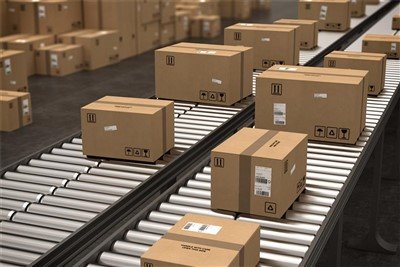
Just to wrap this up: don’t chase TikTok fads, don’t rely on one supplier, don’t set it and forget it, don’t ghost customers, be honest about shipping, keep your store simple, test your ads, and never scale too fast. Do all that, and you’ll be way ahead of 90% of the dropshippers out there.
Dropshipping Alibaba References:
- Shopify. (2024). Dropshipping Success Report: Common Pitfalls and Best Practices for New Store Owners.
- Ecommerce Fuel. (2023). The Top 10 Dropshipping Mistakes That Kill Shopify Stores.
- Digital Commerce 360. (2024). Supplier Reliability in Dropshipping: Impact on Customer Retention.
- Oberlo. (2023). How to Avoid Costly Product Selection Mistakes in Dropshipping.
- Facebook for Business. (2024). Ad Fatigue and Audience Targeting Strategies for Ecommerce.
Foshan Shijie International Logistics Co., Ltd.
With abundant experience, we are one of the most professional dropshipping shopify service suppliers in China. We are committed to offering reliable dropshipping shopify service and logistics solutions with low price. If you have any enquiry about quote, please feel free to email us.
Address: Room 701A, Office Building, Jinbo Commercial Center, No. 88, Guiye Road, Guicheng Street, Nanhai District, Foshan City, Guangdong Province
E-mail: alicesmith.tradingbusiness@gmail.com
WebSite: https://www.fsshijielogistics.com/
