If you’ve ever stood in a manufacturing plant, a wastewater treatment facility, or a chemical processing warehouse, you’ve probably seen pumps at work—churning fluids, moving materials, and keeping operations running. When it comes time to specify a pump for your own application, one of the first big decisions is choosing between vertical and horizontal styles. As someone who’s spent 12 years selling vertical pumps (I still pull shift in our service bay sometimes, even after all that time), I’ve heard every question under the sun about the difference between these two designs, and more than a few myths mixed in. Let’s break it down like I do with my customers—no engineering jargon thrown at you just to sound smart, just real talk about what matters for your project. Vertical Pump

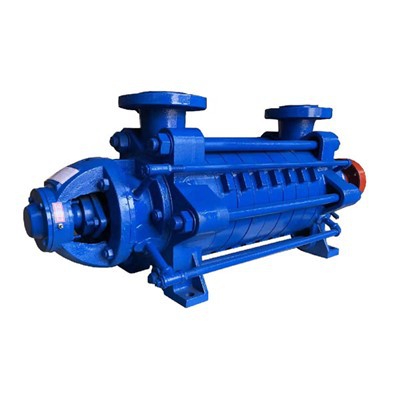
First, let’s start with the basics: the biggest visual difference, obviously, is orientation. A horizontal pump sits low to the ground, its motor and main pump chamber stretched out side by side along a single horizontal shaft. A vertical pump stands tall, its shaft pointing straight up, with the motor mounted on top or, in some designs, integrated into the structure above the tank or sump it’s pulling fluid from. But that outward shape is just the tip of the iceberg. The real differences come down to installation space, performance in tight environments, maintenance access, and how they handle different types of fluid.
Let’s talk installation first, because that’s often the make-or-break for site layouts. I once had a customer at a municipal water treatment plant who thought they were stuck replacing a worn horizontal pump with an identical model—until they measured the space their equipment room had. The horizontal pump they’d been using took 12 feet of linear floor space, and the only spot they had left was a 6-foot-wide gap between a chemical feed tank and a wall. A vertical pump fit perfectly there. Because vertical pumps don’t need that long footprint along the ground, they’re ideal for sumps, tanks, or rooms where floor space is at a premium. I’ve installed dozens for mine dewatering operations, where workers are clearing out excavated pits and every inch of space saved means more room for heavy machinery to maneuver.
Horizontal pumps, on the other hand, need that linear floor space, but they shine when there’s room to spare. If you’re setting up a new processing plant with a dedicated pump bay and plenty of clear area, a horizontal model can be easier to align during initial setup—for years, that’s what most plants went with for large-volume water transfer, because their long shafts make it simpler to adjust impeller alignment without lifting heavy parts. That said, I’ve seen horizontal pumps crammed into spaces they shouldn’t be, and it never ends well: misalignment leads to bearing wear, leaks, and expensive downtime, so space is non-negotiable there.
Next, maintenance. This is where I see customers make the most mistakes, not because they choose the wrong pump, but because they don’t plan for upkeep upfront. With a horizontal pump, most of the wear parts—the impeller, seals, bearings—are accessible from the ends of the shaft, right on the floor. If you need to replace a seal, you don’t have to drain a whole tank or hoist the pump 20 feet up a stack. That’s a big win for applications where maintenance happens every 6 to 12 months, like general water supply. But there’s a catch: horizontal pumps with long shafts are prone to shaft deflection if they’re not bolted down tight. Over time, that deflection wears out bearings faster, and if your site has vibration from nearby machinery, it can shorten the pump’s lifespan by years.
Vertical pumps flip that script. Most of the critical parts are located above the sump or tank, at ground level or just a few feet up. When you need to service the impeller or top seals, you can disconnect the motor, hoist the upper assembly up, and work on it without draining the entire tank. That’s a massive time saver for wastewater applications, where sumps can hold thousands of gallons of raw sewage. I once had a customer who spent 16 hours replacing a horizontal pump’s seal once; with our vertical design, it took him 2.5 hours. The tradeoff? If the lower pump parts (like the impeller that sits submerged in fluid) need repairs, you have to lower it back into the sump, which might require a crane. But in my experience, the sealed, submerged design of most vertical pumps means those lower parts last longer than horizontal pump parts exposed to external elements, so major maintenance is less frequent.
Fluid handling is another key difference, and it’s not just about water. Horizontal pumps work great for thin, consistent fluids—fresh water, light oils, process solutions with few solids. But if you’re dealing with heavy, solids-laden fluids like raw sewage, mine tailings, or thick slurries, horizontal pumps can struggle. Their internal design is prone to clogging when solids get caught between the impeller and the pump casing, and the open orientation means leaking is more likely if there’s a shift in alignment. Vertical pumps, especially submersible vertical models, are built to handle those tough, dirty fluids. Their impellers are larger and more robust, and since they’re fully submerged in the fluid, they don’t leak from the shaft seal where the motor meets the pump. I’ve supplied vertical pumps to a large food processing plant that handles fruit pulp and seed waste—they used to clog horizontal pumps every 10 days, and our vertical pumps have gone 18 months without a clog. That’s the kind of reliability that keeps customers coming back.
Wait, but I should be clear: neither pump is universally better. I once had a customer in a coastal power plant who needed to transfer saltwater for cooling. They had a choice between horizontal and vertical. Their pump bay had plenty of floor space, and they preferred the easier maintenance access of horizontal. But the coastal location meant high humidity and potential salt corrosion—vertical pumps, which have fewer exposed metal parts in the motor area, hold up better to that environment. We had to custom-engineer a vertical model for their specific flow rate, and it’s been running for 7 years without corrosion issues. That’s a case where vertical was the right pick, even though floor space wasn’t a concern. Another customer, a small brewery, was moving beer for fermentation—they had a 100-gallon tank and a tiny pump room, so a compact vertical pump was the only option that fit, and it’s worked flawlessly for 5 years.
I also get asked all the time about cost, and it’s not a straight answer. Initial purchase price: vertical pumps are often more expensive upfront because of their specialized, tall design. But when you factor in maintenance costs, downtime, and lifespan, they can be cheaper in the long run for tough, space-constrained applications. Horizontal pumps have a lower initial cost, but higher long-term maintenance if they’re in a high-wear environment. I tell customers to run the numbers with their own site variables—how often do you need maintenance? What’s the cost of downtime? How much space do you have? That’s the math that matters most.
Another common myth I bust every day: vertical pumps are only for large-scale industrial use. No way. We sell small vertical pumps to residential sump pump companies, to landscapers for irrigation, even to small hotels for their hot water recirculation systems. If you have a small, tight space, a vertical pump is a great fit, no matter the size of your operation. Horizontal pumps still dominate in large agricultural applications, where farmers need to move water across fields and have plenty of barn space for installation.
Over the years, I’ve learned that the best choice comes down to three questions: space, maintenance budget, and fluid type. If you have a tight footprint, handle thick or dirty fluids, and want less downtime for repairs, a vertical pump is almost always the right call. If you have open floor space, work with thin, clean fluids, and prefer easier access for regular maintenance, a horizontal pump will serve you well.
I’ve spent my career not just selling pumps, but helping customers figure out what they actually need—no upselling, no pushing a vertical pump when a horizontal is a better fit. That’s why most of my clients have stayed with us for 10, 15, even 20 years. They know I’ll tell them the truth, even if it means I don’t make a sale that day. If you’re currently replacing an old pump, setting up a new operation, or dealing with recurring pump downtime, we can work with you to match your needs to the right design. Reach out to us to discuss your requirements, and we’ll help you find a pump that fits your space, your fluid, and your budget.
Pump References
- Karassik, I. J., Messina, J. P., Cooper, P., & Heald, C. C. (Eds.). Pump Handbook (4th ed.). McGraw-Hill Professional.
- United States Environmental Protection Agency. (2019. Pump Selection for Wastewater Collection and Treatment Systems. EPA Office of Water.
- Hydraulic Institute. (2021. Rotodynamic Pumps: Application Guidelines. Hydraulic Institute.
- Golman, B., & Šimko, M. (2017. Performance Comparison of Vertical and Horizontal Centrifugal Pumps in Solids-Handling Applications. Proceedings of the 15th International Conference on Fluid Mechanics, Fluid Dynamics and Heat Transfer.
Henan Yibeng Pump Industry Co., Ltd.
Henan Yibeng Pump Industry Co., Ltd. is one of the leading vertical pump manufacturers and suppliers in China. We warmly welcome you to buy high-grade vertical pump from our factory. All equipment are with high quality and competitive price. Contact us for more details.
Address: Fengqiu County, Zhaogang Town, Xinxiang City, Henan Province, China.
E-mail: info@hnybpumps.com
WebSite: https://www.hnybpumps.com/
