Hey everyone, it’s [Your Name] here from your go-to vacuum food bag supplier, and I get it—when you’re dropping cash on these bags, the first question that pops up is, “How many times can I actually reuse these without wasting money?” I see so many of you in my DMs, comment sections, even at trade shows asking this exact thing, and honestly? It’s not a one-size-fits-all answer. But today, I’m breaking down the science behind it, from how we make our bags to what you do (and don’t do) that changes everything. No stuffy textbook talk—just real, actionable info from someone who’s been in the food storage game for 8 years now, selling these bags to home cooks, small cafes, and even meal prep services. Vacuum Food Bags

First, let’s get one thing straight: not all vacuum bags are created equal. When I first started this business, I sold budget bags that cracked after 2 uses, and I learned fast that quality is everything. Our bags are made from BPA-free co-extruded nylon and polyethylene—two layers that work together: nylon gives puncture resistance, polyethylene seals tight. Cheap single-layer bags? They’re thin, stretch easily, and the seal breaks on the third vacuum. But our average reusable bag? That’s where it gets tricky because it depends on how you use it. I’ve had a customer who’s used the same medium bag for 12 months straight, weekly—vacuuming steak, veggies, even marinating chicken. Another guy used a cheap bag from the grocery store twice, tossed it. So let’s dive into the factors that actually count.
First factor: what you’re storing. This is huge. If you’re vacuum-drying nuts, grains, or hard cheeses, those don’t puncture the bag easily. I have a customer who stores 5-lb bags of rice in our large bags; she’s reused the same one 18 times in 10 months, no issues. But if you’re sealing bone-in meat, like pork chops with sharp little rib bones, those can poke tiny holes in the nylon layer even on the first use. I once had a customer return a bag because her turkey bone punctured it on the second use—we replaced it no questions, but that’s not a flaw in the bag, that’s just what you’re putting in. Also, wet vs dry: wet food, like marinated chicken, can get residue in the seal area if you don’t clean it right away, so that’s another factor I’ll get to later.
Second factor: how you’re vacuuming. A lot of people use their home vacuum sealers wrong, and that ruins bags fast. I’ve seen people over-vacuum, stretching the bag until it’s almost tearing, thinking “more air out = better.” No—our bags are designed to remove about 95% of air, not 100%. Over-vacuuming pulls the seal material too tight, and after a few times, it becomes brittle and won’t stick. Then there’s the “roll your own” method vs using the bag with its sealer. Wait—you can cut our bags to size with regular scissors, right? I sell a lot of bulk rolls for people who do that, but if you don’t cut a straight edge, the seal won’t form properly, so you have to re-seal it a few times, wearing the seal down. Also, if you’re using a hand-held sealer (the small, portable ones), they don’t get as hot as countertop models, so the seal might be weaker from the start. I always tell people: if you want more reuses, spring for a countertop sealer—your bags will thank you.
Third factor: cleaning and storage between uses. This is where most people mess up. You seal a bag with leftover spaghetti, toss it in the fridge, then when you take it out, you just rinse it quickly with water, pat it dry, and reuse it. Bad move. Food residue, especially starch (pasta, potatoes) or oil, gets stuck in the seal line and the inner layer, so when you vacuum next time, those bits create gaps, and the seal breaks. I recommend washing our bags with warm, soapy water (dish soap is fine) and a soft sponge—no abrasive scrubbers, because those can scratch the nylon and create weak spots. If you have a reusable silicone bag (wait, no, these are plastic, but same logic), don’t put them in the dishwasher? Wait, some of our bags are top-rack dishwasher safe, but high heat can warp the edges, so hand-washing is safer for reusability. Also, when you dry them, make sure they’re 100% dry before storing—any mold or mildew, even microscopic, will grow if you fold them up damp, and that ruins the material. I keep my used bags in a drawer flat, not crumpled—crinkling over and over weakens the plastic layer, so folds become cracks.
Now, let’s get to the average number. From our internal data (we track every batch we sell, and customers fill out our quick follow-up survey after they stop using a bag), the average for our mid-range reusable vacuum bags is 8-12 uses. Wait, that’s a range, right? Because some people use them once, some 20. The outliers: our heavy-duty commercial-grade bags, which are thicker and have a extra nylon layer—those average 15-20 uses, especially for small businesses that use them for inventory. I had a local deli tell me they use the same large commercial bag for bulk cheese, and they’re on use 22, going strong. The low end: if you’re over-vacuuming, puncturing with bones, not cleaning right, that’s 3-5 uses. But that’s not the bag’s fault—that’s user error, and I can help you fix that.
Wait, let’s test this with a real example. Last month, a customer emailed me: she bought a pack of 5 medium bags from us, used one for her weekly meal prep (chicken breasts, roasted veggies) for 10 weeks, then noticed a tiny hole when she vacuumed. She cleaned it every time, used her countertop sealer, no sharp food. Another customer: same pack, used one to seal a steak with a rib bone, got a puncture on use 2, contacted us, and we explained that sharp edges are hard on even quality bags. So that’s exactly the range we’re talking about.
Also, what about freezing? A lot of people freeze their vacuum bags, which is totally fine, but extreme temperature changes can affect them. If you go from 0°F freezer to 70°F room temp, then back to freezer, that expansion and contraction can make the plastic more brittle. I tell people to thaw in the fridge, not at room temp, and don’t refreeze food more than once—each time you open and re-seal, that’s another use on the bag.
Now, how do you tell when a bag is done? You don’t need a fancy test. Look for: tiny pinholes (hold it up to light—you’ll see little spots where light comes through), seal lines that won’t stick when you try to vacuum, or the bag feels stretchy and thin, like it’s going to tear if you pinch it. If you see any of those, toss it. Don’t use a bag that’s leaking—you’re wasting the whole purpose of vacuum sealing, which is to keep food fresh and prevent freezer burn.
Wait, let’s talk about why reusing vacuum bags is good for the environment, too. I get a lot of messages from people who care about sustainability, and yeah—single-use plastic is bad, so reusing these bags cuts down on waste. Our bags are designed to last, so every time you reuse one, you’re keeping 10+ single-use bags out of landfills. That’s a big deal to me—when I started this business, I wanted to make a product that’s both good for your food and good for the planet. We don’t make cheap bags that break after one use; we make ones you can count on.
Now, let’s get to the part you’ve been waiting for: how to maximize your number of uses. I’ve put together my top 5 tips, tested over years, that work. First, always trim food edges: if you’re using meat with sharp bones, trim small, smooth pieces of meat around the bone, or wrap the bone in a layer of paper towel before sealing. The paper towel absorbs juices and softens any sharp edges. Second, clean the seal line every time: before you re-seal, wipe the seal area with a damp cloth to get rid of any food bits—this prevents gaps in the seal. Third, don’t over-vacuum: stop when the bag is tight, not so tight that it pulls the seal. Fourth, hand-wash when possible: if you have a dishwasher, put them on the top rack, no heated dry. Fifth, store flat: don’t crumple or fold bags when not in use—this weakens the plastic.
I’ve had customers who followed these tips and got 17 uses out of a single bag. Last week, a woman sent me a photo of her bag that’s been used for 14 months, for weekly soup batches—she cleans it, stores it flat, no issues. That’s what I love to see.
Now, let’s address a common myth: “Reusing vacuum bags means dirty food or bacteria.” No, as long as you clean them properly, it’s totally safe. Food-safe plastic (which our bags are, tested by third-party labs) doesn’t harbor bacteria if washed correctly. I always tell people: if a bag has any smell left after cleaning, toss it. Smell means there’s residue stuck in the layers, and bacteria can grow there. But if you wash with warm soapy water, rinse, and dry fully, it’s as good as new.
So wrapping this up: the average number of times you can reuse a vacuum food bag is 8-12 for standard home-use bags, 15-20 for commercial heavy-duty ones, with lots of variables based on how you use and care for them. That’s way more than the cheap drugstore bags you might have tried before, which usually max out at 2-3 uses.
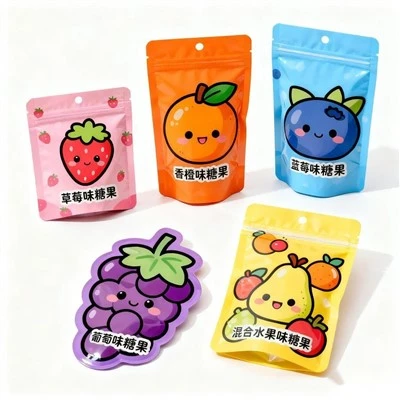
If you’re looking for high-quality, reusable vacuum bags that actually last, whether you’re a home cook doing meal prep, a small business, or just someone who hates wasting money on supplies, I’m here to help. We have bulk packs, commercial options, even custom sizes for your needs. Shoot me a message if you want to chat about which bags are right for you, or if you have questions about reusing your current ones. I’m always happy to answer—no sales pitch, just honest advice from someone who’s been in this game for years.
Retortable Pouch References
- Food Packaging and Shelf Life Journal, “Reusability of Flexible Plastic Food Packaging: Factors Affecting Durability”
- USDA Food Safety and Inspection Service, “Safe Reuse of Food Packaging Materials”
- National Restaurant Association, “Commercial Vacuum Sealing Best Practices for Food Service”
- International Organization for Standardization (ISO), “Standard for Flexible Barrier Packaging for Food”
Shandong Yiming Plastic Products Co., Ltd.
As one of the most professional vacuum food bags manufacturers in China, we’re featured by quality products and good price. Please rest assured to wholesale cheap vacuum food bags made in China here from our factory. Customized orders are welcome.
Address: Opposite Tower Pole Factory,south of Hengliu road,Shunwang Sub-district,Zhucheng City,Weifang City,Shandong Province
E-mail: sdyiming16888@qq.com
WebSite: https://www.toppackingsolution.com/
