Hey everyone, let’s talk about something I get asked about all the time by builders, plumbers, and even homeowners browsing our site: what exactly is a chrome bibcock? If you’ve ever heard that term and thought it sounded like some fancy old-fashioned plumbing part, you’re not alone—when I first started in this game 12 years ago, I’ll admit I had to Google it too. Back then, I was just a newbie at my family’s shop (yeah, the one that’s been supplying these things for generations) and kept mixing up bibcocks with other outdoor taps. Now that I’ve been doing this long enough to know a thing or two, let’s break this down like I would over a coffee with a plumber buddy—no stuffy industry jargon, just real talk. Bibcock

First off, let’s start with the basics: a bibcock is, at its core, an outdoor tap. The kind you see sticking out of the side of your house, connected to the water line, that you attach a hose to when you need to water the garden, fill up a pool, or wash your car. The “chrome” part? That’s the finish. It’s not just for looks—chrome plating is basically a thin layer of chromium metal sprayed or electroplated onto the base metal (usually brass, since brass is durable and doesn’t corrode easily) to protect it from the elements.
Wait, why chrome? Let’s be real—outdoor taps take a beating. They’re exposed to rain, snow, sun, even road salt if you live near a cold climate where they salt the streets in winter. If you didn’t have that chrome finish, the tap would rust within a couple years, leak, or get so corroded you can’t turn it on when you need it. Chrome is super tough, resists tarnishing, and yeah, it looks sleek too—way nicer than a dull, rusty bronze or plain metal tap sticking out of your siding. I’ve seen customers go for brushed nickel or black finishes too, but chrome is still the top seller, no question. Plumbers love it because it’s easy to clean, homeowners love it because it matches most exterior trim.
Now, let’s get into the nitty-gritty that makes a bibcock different from, say, a regular indoor faucet or even a regular garden tap. First, the design. Most bibcocks have that little 90-degree angle, right? They “bib out” from the wall—hence the name, by the way. Some folks think it’s named after a religious bib, but no, it comes from the old French word “bibber,” which means to drink, or maybe “bibas,” which is Latin for “to bend.” Makes sense when you think about how it bends out from the wall to connect a hose. Unlike an indoor sink faucet, which is built to be under cover and used frequently, a bibcock is made for outdoor use, so it’s designed to shut off water all the way to the end of the pipe inside the wall. That’s a big deal—if it didn’t shut off fully, you’d get that annoying drip even when you’re not using it, which wastes water and can freeze in winter if you forget to disconnect the hose.
Another key feature: most standard chrome bibcocks are “freeze-resistant” these days, but wait—let me clarify that term, because a lot of people get tricked. Freeze-resistant doesn’t mean it can survive being full of water during a polar vortex. What it does mean is that the valve mechanism is set back a couple inches inside the wall, away from the cold air that hits the outside. So when you shut it off, the water that’s in the part of the tap sticking out doesn’t stay in the valve that’s inside, so there’s less chance of it freezing and cracking. A regular indoor tap definitely isn’t freeze-resistant, so you can’t just take an indoor faucet and stick it outside—trust me, I’ve had way too many panic calls from people who did that and came back to a flooded garage.
Let’s talk about how these things work, too, because I think that helps people understand why they’re built the way they are. Most bibcocks have a simple quarter-turn or compression valve. Quarter-turn is the newer, easier one—just turn it a quarter of the way on or off, no fiddling around with a washer that’s gone bad. Compression is the older style, with a rubber washer that presses down on the seat to stop the water. I still see a lot of compression bibcocks on older homes, but a lot of builders are switching to quarter-turn now because they’re less likely to leak and easier to maintain. And that chrome finish covers either brass or, increasingly now, lead-free brass. Wait—important note here: a lot of countries have rules about lead in plumbing parts, so all the chrome bibcocks we supply are lead-compliant, which is non-negotiable for us. No cutting corners there, because bad plumbing parts can ruin a whole house’s water supply.
Now, let’s get into the common uses, because that’s where a lot of people confuse bibcocks with other outdoor taps. Bibcocks are the standard for residential homes—your backyard hose connection, the one you use for gardening, washing the dog, etc. But they’re also used for commercial buildings too: restaurants have them for washing down patios, construction sites use them for temporary water lines, even farms use them for watering livestock or filling troughs. The size is standard, too—most are ½ inch or ¾ inch, which fits all standard hose bibs and hoses. That’s another thing about them: they’re universal, so you don’t have to buy a special hose for a special tap.
I’ve had people ask me: what’s the difference between a bibcock and a sillcock? Wait, that’s a good question. A lot of folks use those terms interchangeably, and honestly, in most regions, they are the same thing. But I’ve noticed that in some parts of the US, people call the freeze-resistant outdoor tap a sillcock, and the basic, non-freeze-resistant one a bibcock. But for the most part, they’re synonyms. I’ve seen other terms too—spigot, tap, outdoor faucet—but bibcock is the more formal term that plumbers and suppliers use, which is why it’s good to know if you’re talking to someone in the trade.
Now, let’s get into what to look for when you’re buying a chrome bibcock, because not all are equal. As a supplier, I’ve tested hundreds of these over the years, and I can tell you the cheap ones aren’t worth it. The problem with super cheap chrome bibcocks is that they use thin chrome plating that chips off after a year or two, leaving the brass underneath to rust. Or they use plastic parts inside, which break easily in cold weather. We only sell bibcocks that have a thick chrome layer (we call it “flash chrome” no—wait, no, the good ones are “double-plated” chrome, meaning they have two layers of chromium for extra durability). And the valve parts are either solid brass or high-grade plastic that can handle temperature changes, not flimsy stuff that breaks when you turn it in a hurry.
Another thing to look for: a vacuum breaker. Wait, what’s that? A vacuum breaker is a little valve built into the bibcock that prevents backflow. Backflow is when dirty water from your hose (like if you’re using it to wash a car with soap, or water plants that have fertilizer) flows back into your home’s clean water supply. That’s a big safety hazard, so most areas require bibcocks to have a vacuum breaker to meet building codes. I always tell customers to check their local codes, but honestly, almost every modern residential chrome bibcock we sell has a vacuum breaker built in, so you don’t have to worry about that.
Let me share a quick story that drives this home. Last year, a guy came into our shop panicking because he’d bought a cheap bibcock from a big-box store, and it froze during a mild winter spell (like, it only got down to 20 degrees overnight, which isn’t even that cold) and cracked, flooding his garage and his basement. He was so frustrated—he thought all bibcocks were the same, but the cheap one was made with thin brass and no freeze-resistant valve. We sold him a heavy-duty chrome bibcock with a set-back valve, and I gave him a tip: disconnect the hose every winter, and open the little drain plug at the bottom of the bibcock to let any water out. That way, even if it gets super cold, there’s no water sitting in the tap to freeze. He came back a month later to say that worked, and he was happy with the quality. That’s why I care about this stuff—we’re not just selling parts, we’re making sure people don’t have to deal with that kind of mess.
Now, let’s get to some myths I hear all the time. First myth: chrome bibcocks are only for looks. No, like I said earlier, the chrome is a protective layer. Yeah, it looks nice, but its main job is to keep the underlying brass from corroding outdoors. Second myth: all chrome bibcocks are freeze-resistant. Nope, like I told you earlier, basic ones aren’t—you have to look for the freeze-resistant label, or ask your supplier. Third myth: you can use any hose with a bibcock. Technically, yes, but if you use a cheap thin hose, it can kink, which puts pressure on the bibcock and can cause leaks. That’s why we also sell hoses that are durable, but that’s a side note.
Wait, another thing: the installation. I’m not a plumber, so don’t take this as advice, but from what I’ve seen, a proper bibcock installation is key. It should be tilted downward slightly, so any water that gets into the tap runs out instead of sitting there. And the valve should be set back at least 4 inches inside the wall, so it’s not exposed to cold air. If it’s installed wrong, even the best bibcock will leak or freeze. That’s why a lot of homeowners hire a plumber for installation, but if you’re handy, it’s doable—just make sure you turn off the water main first before you start.
Let’s circle back to why I’m so into this as a supplier. We’ve been in the bibcock game for over 30 years now, and I’ve talked to thousands of customers—plumbers, builders, homeowners—and I’ve seen what works and what doesn’t. The chrome bibcock might seem like a small, boring part, but it’s one of the most important parts of your home’s outdoor plumbing. When it works right, you never think about it. When it’s bad, it’s a huge headache—floods, leaks, rust, wasting water.
So, to sum it all up, let’s make it simple: a chrome bibcock is a durable, chrome-finished outdoor tap (or spigot, or sillcock—take your pick) that connects to your home’s water line, lets you attach a hose, and is built to stand up to outdoor elements. It has a valve that shuts off water, often with a vacuum breaker to keep your water safe, and the chrome finish protects it from rust and tarnish. Not all are created equal—go for double-plated chrome, lead-free, and freeze-resistant if you live in a cold area, and avoid the super cheap ones that won’t last.
If you’re a builder working on a new residential project, a plumber restocking supplies, or a homeowner looking to replace a rusty old bibcock, we’ve got you covered. We supply all kinds of chrome bibcocks in different sizes and styles, from basic residential ones to heavy-duty commercial-grade, all tested to last. If you’ve got questions about which bibcock is right for your needs, or want to chat about bulk pricing, hit us up—we’re here to help, no stuffy sales talk, just straight answers based on years of experience in the game.
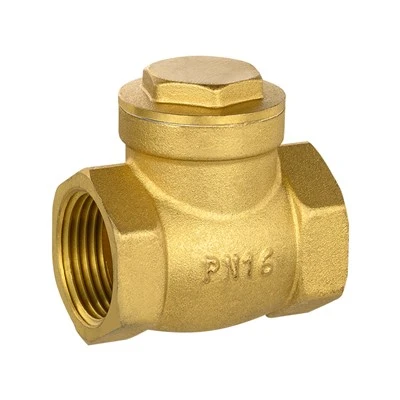
At the end of the day, a good chrome bibcock is a small investment that saves you a lot of trouble down the line. I’ve been in this long enough to know that the best parts are the ones you don’t notice until they’re missing—and that’s exactly what a great bibcock is.
Brass Ball Valve References:
- International Plumbing Code, Section 608: Outdoor Plumbing Fixtures and Backflow Protection
- ASME A112.18.1/CSA B125.1: Performance Requirements for Pressure-Rated Plumbing Fixtures and Fittings
- Plumbing-Heating-Cooling Contractors Association (PHCC): Residential Outdoor Plumbing Best Practices
- Chromium Plating Institute: Standards for Durable Decorative and Functional Chrome Finishes for Outdoor Applications
Yuhuan East-Asia Valve Industrial Co., Ltd.
As one of the most experienced bibcock manufacturers and suppliers in China, we also support customized service. We warmly welcome you to wholesale high quality bibcock for sale here from our factory. If you have any enquiry about quotation, please feel free to email us.
Address: Bingang Industrial Park,Shamen Town,Yuhuan City,Zhejiang Province.
E-mail: sales@dongyavalve.com
WebSite: https://www.eastasiavalves.com/
