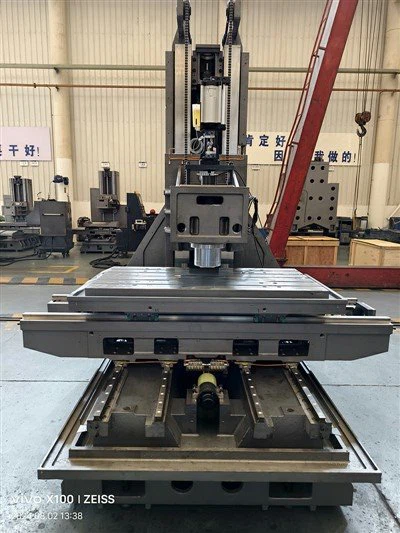
As a supplier of Horizontal Machining Center Frames, I’ve witnessed firsthand the challenges that come with ensuring the long – term durability and performance of these critical components. One of the most pressing issues in the industry is the corrosion of the frame, which can significantly affect the machining center’s accuracy, efficiency, and lifespan. In this blog, I’ll share some effective strategies on how to improve the corrosion resistance of a Horizontal Machining Center Frame. Horizontal Machining Center Frame
Understanding the Causes of Corrosion
Before delving into the solutions, it’s essential to understand what causes corrosion in Horizontal Machining Center Frames. Corrosion is a natural process that occurs when metal reacts with its environment. In the case of machining centers, several factors contribute to this reaction:
- Moisture: Water is one of the primary catalysts for corrosion. In machining environments, coolant fluids, humidity, and even condensation can expose the frame to moisture. When metal comes into contact with water, an electrochemical reaction takes place, leading to the formation of rust.
- Chemicals: Machining operations often involve the use of various chemicals, such as cutting fluids, lubricants, and cleaning agents. Some of these chemicals can be corrosive, especially if they are not properly formulated or maintained. Additionally, environmental pollutants, such as sulfur dioxide and nitrogen oxides, can also accelerate the corrosion process.
- Temperature and Humidity Fluctuations: Extreme temperature and humidity changes can cause the metal to expand and contract, creating stress points that are more susceptible to corrosion. These fluctuations can also lead to the formation of condensation on the frame surface.
- Mechanical Damage: Scratches, dents, and other forms of mechanical damage can break the protective oxide layer on the metal surface, exposing it to the corrosive environment.
Selecting the Right Materials
The choice of materials is crucial in determining the corrosion resistance of a Horizontal Machining Center Frame. Here are some materials that are commonly used and their properties:
- Stainless Steel: Stainless steel is a popular choice for machining center frames due to its excellent corrosion resistance. It contains chromium, which forms a passive oxide layer on the surface, protecting the metal from further corrosion. Different grades of stainless steel offer varying levels of corrosion resistance, with 304 and 316 being the most commonly used in machining applications. 316 stainless steel, in particular, has a higher molybdenum content, making it more resistant to pitting and crevice corrosion in chloride – rich environments.
- Cast Iron: Cast iron is another traditional material for machining center frames. While it is not as corrosion – resistant as stainless steel, it can be treated to improve its resistance. For example, adding alloying elements such as nickel, chromium, and copper can enhance the corrosion resistance of cast iron. Additionally, applying protective coatings can further protect the cast iron frame from corrosion.
- Aluminum Alloys: Aluminum alloys are lightweight and have good corrosion resistance. They form a natural oxide layer on the surface, which provides some protection against corrosion. However, in some aggressive environments, additional surface treatments may be required to improve their corrosion resistance.
Surface Treatments
Surface treatments play a vital role in enhancing the corrosion resistance of Horizontal Machining Center Frames. Here are some common surface treatment methods:
- Painting: Painting is a simple and cost – effective way to protect the frame from corrosion. A high – quality paint coating can act as a barrier between the metal and the corrosive environment. When choosing a paint, it’s important to select one that is specifically designed for industrial applications and has good adhesion, flexibility, and chemical resistance.
- Galvanizing: Galvanizing involves coating the metal with a layer of zinc. Zinc is more reactive than iron, so it acts as a sacrificial anode, protecting the underlying metal from corrosion. Galvanized coatings can provide long – term protection, especially in outdoor or high – humidity environments.
- Anodizing: Anodizing is a process that forms a thick, protective oxide layer on the surface of aluminum alloys. This oxide layer is highly resistant to corrosion and can also improve the wear resistance of the frame. Anodizing can be done in different colors, allowing for aesthetic customization.
- Powder Coating: Powder coating is a dry finishing process that involves applying a fine powder to the metal surface and then baking it to form a hard, durable coating. Powder coatings offer excellent corrosion resistance, as well as good resistance to abrasion and chemicals.
Design Considerations
The design of the Horizontal Machining Center Frame can also influence its corrosion resistance. Here are some design considerations:
- Drainage: Proper drainage is essential to prevent the accumulation of moisture on the frame. The frame should be designed with slopes and channels to allow water to drain away quickly. Additionally, any areas where water can collect, such as recesses and pockets, should be minimized.
- Accessibility for Maintenance: The frame should be designed to allow easy access for cleaning and maintenance. This includes providing access holes and panels for inspecting the internal components and applying protective coatings.
- Avoiding Crevices and Gaps: Crevices and gaps can trap moisture and chemicals, creating ideal conditions for corrosion. The frame should be designed with smooth, seamless surfaces to minimize the formation of crevices.
Maintenance and Monitoring
Regular maintenance and monitoring are essential to ensure the long – term corrosion resistance of the Horizontal Machining Center Frame. Here are some maintenance and monitoring practices:
- Cleaning: Regular cleaning of the frame is necessary to remove dirt, debris, and corrosive substances. Use a mild detergent and water to clean the frame, and avoid using abrasive cleaners that can damage the protective coating.
- Inspection: Periodic inspections should be carried out to detect any signs of corrosion, such as rust spots, discoloration, or pitting. Early detection allows for timely repair and prevention of further damage.
- Coating Maintenance: If the frame has a protective coating, it’s important to maintain it regularly. This may involve touch – up painting or reapplying the coating as needed.
- Environmental Control: Controlling the environment in which the machining center operates can also help reduce the risk of corrosion. This includes maintaining proper temperature and humidity levels, as well as minimizing exposure to corrosive chemicals.
Conclusion
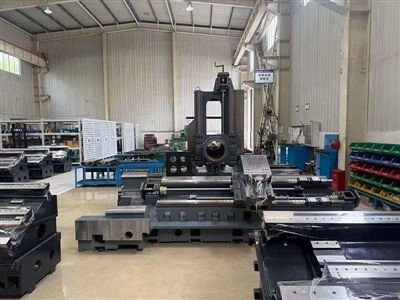
Improving the corrosion resistance of a Horizontal Machining Center Frame is a multi – faceted approach that involves selecting the right materials, applying appropriate surface treatments, considering design factors, and implementing regular maintenance and monitoring. By following these strategies, you can significantly extend the lifespan of the frame, improve the accuracy and efficiency of the machining center, and reduce maintenance costs.
XYZ Linear Way Vertical Machining Center If you’re in the market for a high – quality Horizontal Machining Center Frame with excellent corrosion resistance, I’d be more than happy to discuss your requirements. Our team of experts can provide you with customized solutions that meet your specific needs. Contact us today to start the procurement discussion and take your machining operations to the next level.
References
- ASM Handbook, Volume 13A: Corrosion: Fundamentals, Testing, and Protection. ASM International.
- "Corrosion Prevention in Industrial Machinery" by John Doe, published in the Journal of Industrial Engineering.
- "Materials Selection for Machining Center Components" by Jane Smith, presented at the International Machining Conference.
Smartech Machinery & Equipment Co., Ltd.
As one of the most professional horizontal machining center frame manufacturers and suppliers in China, we also support customized service. Please rest assured to buy bulk horizontal machining center frame made in China here from our factory. Contact us for more details.
Address: Room 2832, Changping Commercial Mansion, Shihua Road, Futian Free Trade Zone, Shenzhen, China
E-mail: smartech@smartechcnc.cn
WebSite: https://www.smartech-cnc.com/
