Hey everyone, let’s cut to the chase — if you’re in construction, you’ve probably heard the buzz around PP formwork lately, and one question that always comes up is “is this stuff actually recyclable?” As a PP formwork supplier, I get so many of these questions every single week, from contractors digging into their material costs to sustainability teams trying to hit those net-zero targets. Today, I’m gonna break this down like I would chat over a coffee (no stuffy jargon, promise), cover the real science behind it, the stuff your recycling guy won’t tell you, and why this matters more than just a buzzword right now. PP Formwork
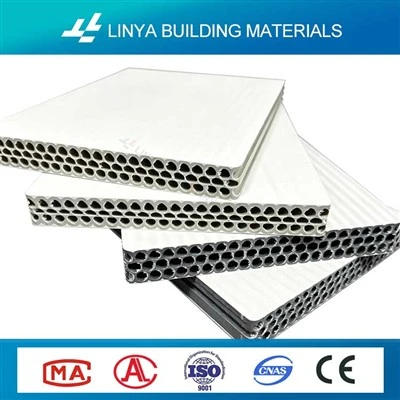
First, let’s start with what PP formwork even is, because a lot of folks mix it up with other plastic formwork. PP stands for polypropylene — it’s that rigid, tough plastic you see in things like yogurt tubs, car bumpers, and even some laundry baskets. Unlike wooden formwork which gets chewed up by nails, or steel which rusts and gets heavy, PP formwork is lightweight, durable, and designed to be reused. But recyclability? That’s a whole separate ball game, and it’s not as simple as tossing it in your curbside bin.
Let’s get the science out first, because I know a lot of you want the facts, not the hype. Polypropylene is a thermoplastic, right? That means when you heat it up, it melts, and you can reshape it — that’s the key to recyclability. Thermoplastics don’t break down via cross-linking like thermoset plastics do, so as long as you process it correctly, it can be melted, remolded, and used again. But here’s the catch with PP formwork specifically: it’s not pure PP. Most commercial PP formwork comes with additives — UV stabilizers to keep it from cracking in the sun, mold inhibitors for wet construction sites, and sometimes even glass fibers to make it stiffer for pouring concrete. Those additives are important for the product to last through 50+ uses (that’s a big selling point for us, by the way), but they complicate recycling.
I’ve seen a lot of blogs online claim “PP formwork is 100% recyclable” and leave it at that, but that’s not the full story. There are two main types of recycling for PP formwork: primary recycling and secondary recycling. Primary recycling is when you take clean, unused offcuts from a factory — like the scraps we have right after cutting formwork panels to size — and melt them back into new formwork material. That’s super easy, no contamination, and it’s why we actually repurpose a lot of our own factory scraps right here at our warehouse. We don’t even send those off to a recycler; we grind them up, mix in a little bit of new virgin PP, and make fresh panels. That’s a closed-loop system, and it works like a charm.
The problem comes with secondary recycling, which is when you take used formwork, the stuff that’s already been on a job site, has concrete residue on it, maybe some scratches or small cracks, and send it to a municipal or plastic recycler. Here’s where most people mess up: municipal recycling programs are set up for single-use plastics, not heavy-duty construction materials. A lot of curbside bins won’t accept PP formwork because it’s too big, or has concrete stuck on it, or has mixed materials (like metal fasteners left on the panels). Even if you do get it to a specialized plastic recycler, you have to clean off all the concrete, separate the additives, and sort it from other plastics — that process costs money, and sometimes it’s not worth it when there’s cheaper virgin PP available.
But wait, that’s not to say it’s impossible. I’ve worked with a few job sites that have their own on-site recycling setups, grinding their old formwork into pellets right after the project ends, and using those pellets for smaller concrete parts, like curbs or sidewalk forms. Some companies even use recycled PP formwork to make pallets or industrial bins — stuff that doesn’t need the same level of UV resistance as fresh formwork. The issue isn’t the material itself, it’s the infrastructure to process it. A lot of construction companies don’t have a way to collect and process used formwork, so it ends up in a landfill, which is a waste because it can be recycled.
Now, let’s talk about the real benefits of recycling PP formwork, because it’s not just about being “green.” For contractors, reusing and recycling formwork saves a ton of money. Wooden formwork might be cheap upfront, but you can only use it 2-3 times before it falls apart, whereas PP formwork can be reused 50+ times. And when you do recycle it, you’re cutting down on the cost of new materials — recycled PP pellets are about 20-30% cheaper than virgin PP, so that’s a big win for your bottom line. For the planet, it’s way better than sending plastic to a landfill. PP takes hundreds of years to decompose, and making virgin PP uses a lot of fossil fuels — recycling just one ton of PP saves around 2.5 tons of CO2, that’s a stat I remember because we use it in our sales pitches all the time.
I also want to clear up a common myth: some people think that recycling PP formwork weakens it, so you can’t reuse it for heavy construction. That’s not true, as long as you process it correctly. We actually test our recycled PP panels — we take the ground-up pellets, mix them with a small amount of virgin PP to boost strength, and run tests to make sure they can handle the same concrete pressure as new panels. The only time you have to worry about weakened material is if you use formwork that’s been damaged (like big cracks or missing chunks) or you don’t process the recyclate properly.
So what can you do if you’re a contractor or project manager looking to recycle your old PP formwork? First, don’t just toss it in the regular trash. If your project is big enough, reach out to a specialized plastic recycler that works with construction materials — a lot of them will come to your site to pick up old panels, as long as you clean off the big chunks of concrete first. Some formwork suppliers, including us, take back used panels too, for a small fee, and recycle them properly. It’s a service we started a couple years ago because so many of our customers asked for it, and it’s been a huge hit. Second, if you’re buying new formwork, look for one that’s made with recycled PP — a lot of manufacturers are starting to add that into their products, which closes the loop even more. Third, if you’re working on a smaller project, even grinding your old formwork into small pieces and using them as base material for landscaping or small concrete projects is better than sending it to a landfill.
I’ve seen a lot of pushback from contractors who say “recycling is too much work” or “it’s cheaper to just buy new.” But here’s the thing: when you add up the cost of disposing of old formwork, buying new materials, and the environmental impact, it ends up being a lot more expensive to skip recycling. Plus, more and more clients are asking for sustainable materials on their projects now — if you can show that you’re recycling your formwork, that’s a big selling point for your own business.
Wait, let’s also talk about the future. Right now, there are a lot of startups working on better PP formwork recycling tech, like chemical recycling, which breaks down used PP into its original chemical components so you can make new, pure PP. That’s a game-changer, because right now secondary recycling often results in lower-quality material, but chemical recycling would make it as good as virgin. It’s still ramping up, but I’m really excited about where that’s headed. Also, more construction companies are starting to adopt circular economy models, where formwork is treated as a reusable product, not a single-use waste. We’ve already had a few clients that rent our formwork instead of buying it, and when they return it, we clean it up, repair any small damage, and rent it out again, or recycle the parts that can’t be repaired.
Let me wrap this up real simple: Is PP formwork recyclable? The short answer is yes, but it depends on how you do it. It’s not as easy as tossing it in your curbside bin, but with the right process, it’s totally possible, and it’s way better for your wallet and the planet than sending it to a landfill. I’ve seen first-hand how it works — we’ve recycled thousands of pounds of our own formwork scraps, and our clients have saved tens of thousands of dollars by reusing and recycling their panels.
If you’re a contractor, project manager, or anyone who’s got old PP formwork lying around, or you’re looking to switch to a more sustainable formwork option, don’t hesitate to reach out. We can walk you through our recycling program, answer any questions you have about our products, or even help you figure out the best way to handle your old panels. It’s what we do, and we’re here to make this stuff less confusing for everyone.
Steel Prop References
- European Polymer Federation. (2022). Recycling of Construction Thermoplastics: Challenges and Circular Economy Opportunities.
- International Association of Construction Industry Solutions. (2023). Life Cycle Assessment of Polypropylene Formwork: Cost and Environmental Impacts.
- Plastic Recycling Corporation of America. (2021). Thermoplastic Recycling Guidelines for Construction Materials.
- Journal of Construction Materials and Sustainability. (2022). Performance of Recycled Polypropylene in Structural Formwork Applications.
- European Commission. (2023). Circular Economy Action Plan for Construction and Demolition Waste.
Shenzhen Linya Building Materials Co., Ltd.
We are one of the most professional pp formwork manufacturers and suppliers in China, also support customized service. Welcome to buy bulk high quality pp formwork in stock here from our factory. If you have any enquiry about free sample, please feel free to email us.
Address: Bantian International Center, No.5 Huancheng South Road, Ma’antang Community, Bantian Street, Longgang District, Shenzhen
E-mail: linya@formworksteelprop.com
WebSite: https://www.linyabuildingmaterials.com/
