When I first started talking to beverage brand owners about production efficiency, I kept hearing the same frustrated line: “Our line works—until it doesn’t.” Too many processors rely on old, patched-together equipment—say, a 15-year-old filler from one manufacturer, a capper from another, and a conveyor that jams every time we switch from 500ml bottles to 2L jugs. That’s where a flat top beverage processing line comes in, and as someone who’s spent 12 years designing, installing, and supporting these systems for brands small and large, I can tell you it’s not just a piece of machinery—it’s a complete, synchronized ecosystem built for consistency, scalability, and minimal downtime. Let me break down what that actually means, why it’s different from any random line you might piece together, and why it’s a game-changer for anyone in the beverage space. Beverage Processing Line
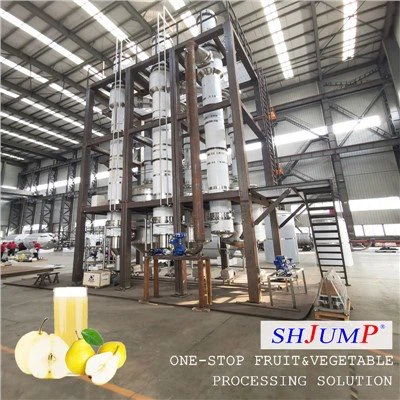
First, let’s define it simply: a flat top beverage processing line is a fully integrated, modular production system designed to handle every step of beverage manufacturing—from raw material preparation to final packaging—with a unified “flat top” architecture. Wait, flat top? That’s not a random term. It refers to the level, uniform top surface of the conveyor framework that runs through every machine in the line. No more uneven heights between the filler and the capper, no more gaps that force products to jostle or stop moving. That flat, consistent base is the backbone that ties all components together, and it’s what sets this line apart from traditional, loosely connected setups. Let’s walk through how that integration works in practice, because it’s not just a design choice—it’s a functional one.
Start with the raw material side: a typical line begins with ingredient handling, right? For beverages, that might be mixing syrup, blending water, adding acids or sweeteners, and sterilizing the product. On a flat top line, these upstream machines (mixers, pasteurizers, and blend tanks) connect directly to the flat conveyor system, so finished product flows smoothly from preparation to filling with zero manual handling. Unlike old lines where a forklift might move pallets of pre-filled bottles to the filler, here, empty bottles are delivered on the same flat conveyor, go through rinsing, then straight into the filler—no breaks, no labor-intensive transfers. That cuts down on product loss from dropped bottles or mislabeling before filling, which is a huge win for profitability: I’ve seen small craft brands reduce product waste by 12% just by switching from a piecemeal line to a flat top setup.
Next, the core of any beverage line: filling and sealing. This is where the flat top architecture really shines. Traditional fillers often sit on their own separate frames, so when you connect them to a capper, there’s a height mismatch that leads to bottles tipping. A flat top line’s conveyor is one continuous, level surface, so bottles move at the same speed from filling to capping to labeling—no slowdowns, no crashes. We design the filler and capper to mount directly to the flat top frame, so their axes align perfectly every single time. That consistency means less mis-capping (no loose or cross-threaded lids, which lead to leaks during shipping) and fewer label misalignments. For carbonated beverages, that’s critical: a loose lid can cause fizz to escape before the product even leaves the facility, turning a batch of soda into a dud. I worked with a sparkling water brand last year that was losing 8% of production to leaky bottles; after installing a flat top line, that number dropped to 1%, all because the capper aligned with the filler for the first time.
Then there’s packaging—packaging is the final step before products hit shelves, and it’s where a lot of lines break down. A flat top beverage processing line doesn’t just handle bottles; it can integrate case packers, palletizers, and even shrink wrappers all on the same flat frame. Wait, can that really work? Let me explain: the flat top isn’t just for product conveying. It houses all the electrical controls, pneumatic lines, and sensor systems that run every machine in the line. That means when a bottle is ready to be packed, the sensors trigger the case packer, which pulls from the same conveyor flow, and the whole process is coordinated by a single control panel. No more waiting for a signal from a separate PLC (programmable logic controller) on the case packer; everything is synced from one central hub. For brands that do seasonal promotions—say, switching from 12oz cans to 20oz bottles for summer—this modularity is key. A flat top line is designed to be reconfigurable; you can swap out the filler for one that handles cans, adjust the conveyor guides, or add a cold storage integration for craft brews without rebuilding the entire line. That scalability is something old lines can’t offer—if you have a traditional line, switching container types might mean buying entirely new machinery, but with a flat top setup, it’s just a part swap and a quick software update.
Now, let’s talk about why this matters for real businesses, not just engineering specs. I’ve had brand owners tell me, “I don’t need another fancy line, I just need to make sure my product doesn’t get stuck.” Downtime is the biggest enemy in beverage manufacturing. For a craft juice brand, if your line goes down for four hours, you’re not just losing production—you’re risking spoilage, because fresh juice can’t sit in a filler for days. A flat top line’s integrated design means there are fewer connection points between machines, fewer things that can break. All the controls are in one place, so troubleshooting is faster. When a sensor detects a jam, it doesn’t shut down the entire line; it pinpoints exactly where the jam is, right on the control screen. I once helped a iced tea brand that was spending 20 hours a week on maintenance and repairs on their old line; after a flat top install, that dropped to 3 hours a week. That’s more time to focus on recipe development, marketing, and growing the business, not fixing equipment.
Another big point: hygiene. Beverage processing, especially for food-safe products, requires strict sanitation. The flat top conveyor frame is designed with no hard-to-reach crevices, no gaps where bacteria can build up. Traditional lines have uneven frames that collect water, product residue, and cleaning solution, which means teams have to spend extra time scrubbing those areas. A flat top line’s smooth, seamless surfaces let you spray down the entire conveyor and machines in minutes, no hidden spots. That’s not just a convenience—it’s a compliance thing. Regulatory bodies like the FDA and EFSA require regular sanitation checks, and a line that’s easy to clean reduces the risk of failed inspections, which can shut down production temporarily. We design every flat top line with materials that meet food-grade standards, so you don’t have to worry about any leaching or contamination during the cleaning process.
Let’s clear up a common misconception: a flat top beverage processing line isn’t just for big national brands. We work with small craft breweries, local juice companies, and even startup sparkling water brands with only 2-3 employees. The modular design means you can start with a basic line (filler, capper, labeler) and add more components as your business grows. If you’re a startup that’s making 500 bottles an hour, you don’t need a full 10,000-bottle-an-hour line right away. We build flat top lines in sizes that fit your current production needs, so you don’t overinvest upfront. Last year, I worked with a cold brew coffee startup that was selling at local farmers markets; they started with a 1,000-bottle-an-hour flat top line, and within 18 months, they were distributing to 50 grocery stores. They added a case packer and a palletizer to the same line, no major reconfiguration, which saved them tens of thousands of dollars compared to buying a whole new line.
Now, what about the actual technology inside? A flat top line runs on a central PLC system, which is programmed to sync every machine’s speed, timing, and functions. For example, if the filler has a production slowdown, the conveyor adjusts its speed automatically to avoid jams, and the capper pauses until the filler is back up. There are also sensors that track every product as it moves through the line, so you can monitor output in real time. If you need to track how many bottles of a specific flavor you made, or which batches went out to which stores, that data is all accessible from the same control panel. For brands that need to report to retailers on production volume, that’s a huge time-saver—no manual counting, no spreadsheets full of errors. I’ve seen a brand that had to hire two part-time workers just to count production numbers switch to a flat top line, and those jobs were eliminated because the line’s built-in tracking did it automatically.
Of course, no line is perfect, but the flat top design mitigates most of the common problems people have with beverage processing lines. Let’s compare: a traditional line might have 5-7 connection points between machines, each with its own wiring, hoses, and controls. Each of those is a potential failure point. A flat top line has one main control panel, one conveyor frame, and connections only where necessary, which cuts down on the number of parts that can break. That’s why we stand behind every flat top line we install—we offer 24/7 support, so if something does go wrong, a technician can walk you through troubleshooting over the phone, or send a local service team out within 48 hours. I’ve had clients call me at 2 a.m. when their line jammed before a big shipping deadline, and we were able to get them back up in 90 minutes because we knew their system inside and out, not just a piece of it.
Wait, let’s address another question: is a flat top line more expensive than a custom line? It might cost a bit more upfront, but when you factor in the savings from less downtime, lower maintenance, less product waste, and scalability over time, it’s actually a better investment. We’ve done cost comparisons for clients where they spent $50,000 on a traditional line that broke down every month, and another spent $60,000 on a flat top line that only needed one repair a year. The ROI for the flat top line was just 12 months, while the traditional line’s ROI was 24 months. For a small brand, that extra 12 months of stable production can mean the difference between closing and growing.
Now, I want to talk about what a flat top line isn’t. It’s not a one-size-fits-all machine that can make any product. A line designed for carbonated soda will be different from one designed for still juice, because carbonation requires pasteurization at a specific temperature and pressure. But we customize every line to match your product, your production goals, and your budget. If you make non-alcoholic iced tea, we’ll design a line that handles that acidic product, uses stainless steel for all product-contact parts (which resists corrosion from acids), and integrates a pasteurizer that’s gentle enough to keep the flavor intact. If you make craft beer, we can add a cold filter and a nitrogen dosing system right into the line, no extra frames needed.
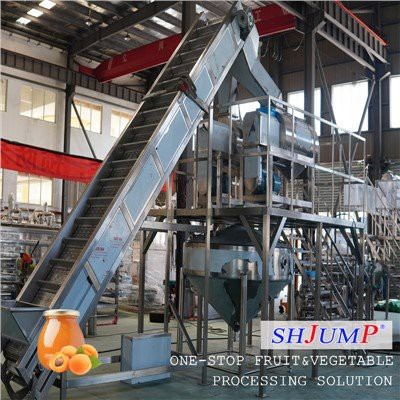
So, why should you care about this? If you’re a beverage brand owner, your line is the heart of your operation. Every minute it’s down, you’re losing money, risking product spoilage, and missing deadlines. A flat top beverage processing line isn’t just equipment—it’s a system that works for you, not against you. It’s built to grow with your business, keep products consistent, and make your team’s job easier. I’ve seen brands go from 1,000 bottles a week to 50,000 a week with the same flat top line, and that’s the impact we strive for.
Fruit Powder Processing Line If you’re looking to upgrade your current line, or build a new one from scratch, I’d encourage you to reach out to us. We don’t just sell machines—we work with you to understand your current pain points, your future goals, and design a flat top line that fits exactly what you need. No overpromising, no hidden fees, just a system that’s built to run smoothly, so you can focus on making great beverages.
References
- American Society of Agricultural and Biological Engineers. (2021). Food Processing Equipment Design and Hygiene Standards. ASABE Publications.
- European Food Safety Authority. (2020). Hygiene Requirements for Food and Beverage Processing Lines. EFSA Journal.
- Beverage Marketing Corporation. (2022). Efficiency Trends in Small-to-Medium Beverage Production. BMC Research Report.
- International Society of Beverage Technologists. (2021). Modular Line Design for Scalable Beverage Manufacturing. ISBT Proceedings.
Shanghai Jump Machinery & Technology Co., Ltd.
Shanghai Jump Machinery & Technology Co., Ltd. is one of the most professional beverage processing line manufacturers and suppliers in China, featured by good service and competitive price. Please rest assured to buy high quality beverage processing line for sale here from our factory.
Address: No. 58, Pengqing Road, Kunshan Town, Suzhou District, Jiangsu Province, China
E-mail: info@sinojump.com
WebSite: https://www.shjumpmachine.com/
