So, here’s the thing: when you run to your water dispenser, hyped for that steamy cup of tea or instant oatmeal at 7 a.m. after a groggy morning, only to get cold tap water? It’s not just frustrating—it’s like your whole routine just hit a tiny wall. As a water dispenser supplier, I’ve gotten at least 12 of these exact DMs/emails this week alone, so let’s cut the tech jargon and get real about why your hot water’s MIA. No fancy textbook terms, just straight-up stuff we actually deal with on the service side. Water Dispenser
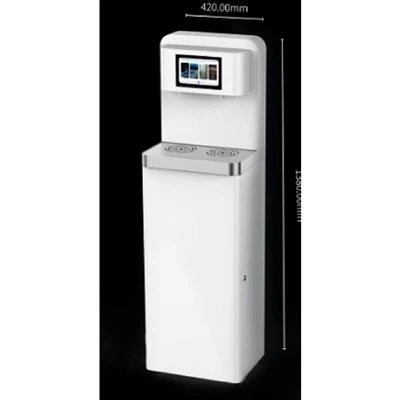
First off, let’s start with the basics you can check in 10 seconds, no tools needed. I’m talking about the power button. Wait—did you just blink and realize you never actually pressed the one labeled “HOT”? I swear, I’ve had a friend who did this when he was sleep-deprived last month. But even if you swear you pressed it, check the outlet too. Is the dispenser’s cord wiggly in the socket? Sometimes the plug gets loose if you yank the cup out from under the spout too hard. I’ve seen this so many times—one of my regular customers texted me last week saying “it’s dead” and it was just an outlet that had gotten half-unplugged by her vacuum the night before. Duh. Also, make sure the dispenser isn’t on a power strip that’s flipped off; a lot of people use those to save space and forget they shut it off. That’s the first, easiest fix that 30% of the time solves the problem.
Next up, the water level. Wait—your dispenser needs water to heat, right? If the tank’s empty, the heating element can’t do anything. I know, I know—you refilled it yesterday, but sometimes the bottle shifts if you knock it while reaching for snacks, so it’s sitting lopsided and not feeding into the tank. Another quirk: if the bottle’s old or was just stored somewhere cold/very hot, the pressure might be off. The little vent hole on the bottle’s neck—sometimes that gets clogged with dust or plastic residue from when you first opened the bottle. No air = no water flow into the dispenser’s internal tank, so even if the bottle looks full, there’s nothing to heat. I learned this the hard way when I had a dispenser at my old apartment that did this, and I spent 20 minutes troubleshooting before I poked that vent with a toothpick (gently, obviously) and it started working.
Okay, so if those basics are all good? Let’s move to the heating-related stuff, which is the actual “broken” stuff we see all the time. The most common culprit here is the thermostat. That’s the tiny (but super important) part that’s supposed to regulate how hot the water gets. Sometimes it just gets tripped—like a circuit breaker in your house, but for the heater. If the water gets too hot (say, if you left it on for days and it boiled too many times), the thermostat will flip to “safety mode” to keep the dispenser from overheating. You just have to reset it—usually there’s a little red button on the back or bottom of the unit, super tiny, so you might need a paperclip to press it. A lot of people don’t know that exists, so they think the heater is dead, when it just needs a quick reset. Pro tip: if you do this, hold the button for 10 seconds, not just a quick poke. I’ve had customers press it once and it didn’t work, but hold it and bam—hot water again.
Then there’s the heating element itself. That’s the part that actually warms the water, right? These don’t die out of nowhere, though. Most of the time, it’s because of mineral buildup. If you live in an area with hard water (you know, the kind that leaves white spots on your faucet), those minerals—calcium, magnesium—build up on the heating element over time, like how a kettle gets that crusty stuff inside. That crust insulates the element, so it can’t transfer heat to the water properly. I had a customer last month in Arizona, where the water is super hard, who said his dispenser was only giving lukewarm water, and when we opened it up, the element was so caked in white gunk that you could barely see the metal. Cleaning that with vinegar (descaling solution, actually, which is easy to use) fixed it instantly. A lot of people forget to descale their dispensers—we recommend doing it every 3-6 months, depending on how hard your water is. That’s probably the most preventable issue, too.
Wait, what if it’s not heating at all, even after resetting and checking the level? Could it be the heating element actually burned out? Yeah, that happens, but it’s less common than you think. Usually, that’s from using the dispenser way past its lifespan—most good dispensers last 5-7 years, give or take. If yours is pushing 8 or 9, that’s probably it. But before you panic, check the wiring? No, don’t mess with wiring unless you know what you’re doing—ask a tech, or if you’re still under warranty, hit us up (since I’m from the supply side, we handle warranty claims for all the units we sell). We see a lot of people try to take the dispenser apart themselves and make it worse, so pro move: leave wiring stuff to the pros, or use the warranty if it’s still valid.
Oh, and one more weird thing that happens, especially with the top-loading dispensers (the kind where you flip the big bottle upside down): the spout’s valve? Sometimes it’s stuck. Wait, the hot water spout has a little rubber valve that opens when you press the cup under it, right? If that valve gets clogged with dust, or if it’s just old and stiff, it might not let any water through—so when you press the hot button, water comes out cold because there’s no pressure to push the hot water up to the spout, or maybe even cold water is coming through instead? Wait, no—wait, let’s clarify: if the cold side works fine, but the hot doesn’t, that’s not the valve, usually. If neither works, that’s the bottle pressure. But if cold works, hot doesn’t, and you hear a faint click when you press the hot button but nothing comes out? Maybe the hot line is clogged with mineral buildup, too. Same descaling fix—run a little descaling solution through the hot line, and that should clear it. I had a customer last month who thought his heater was broken, but it was just the line; he descaled it and was shocked it worked.
Let’s also talk about some quick do’s and don’ts, because we get asked this all the time. Don’t overfill the bottle—if it’s spilling over when you put it on, that can clog the vent, like I mentioned earlier. Don’t leave the dispenser unplugged for days and then plug it back in and expect it to work instantly—most take 10-15 minutes to heat up, especially the first time after being off. And don’t use random vinegar or harsh chemicals to clean it—use a food-grade descaling solution, because stuff like bleach can leave a weird taste and is bad for you. We actually sell these descaling kits as part of our supply line, so if you need one, just reach out.
Wait, I should also address something that’s a myth I hear all the time: “if the hot light is on, it’s working.” No, not always! The light might just mean the power is getting to the thermostat, not that the heater is actually running. That’s why checking the water level and resetting the thermostat is key—don’t just stare at the light and think everything’s fine.
As a water dispenser supplier, our biggest thing is making sure people have reliable, quick access to hot water, so when this happens, we want to help fix it fast. Most of the time, it’s a 2-minute fix, not a full replacement. But if you’ve tried all the basics—power, level, resetting the thermostat, descaling, checking for clogs—and nothing’s working, that’s when you should reach out to us. We can help you walk through more steps, or if it’s under warranty, we’ll send a replacement part or even a whole new unit if needed. We don’t do those annoying runaround things—you tell us what you’ve already checked, and we’ll get you sorted.
Wait, let’s make sure I didn’t miss anything. Oh! What about the ambient temperature? If your dispenser is in a super cold place, like a garage or a unheated basement, the water inside the tank is gonna take way longer to heat up. That’s not a defect—just physics. If you keep it somewhere cold, you might have to wait 20 minutes instead of 10 for hot water. I had a customer in Maine who kept his in the winter garage, and he was texting me saying “it’s never hot!” until I told him to move it inside. Duh, that makes sense.
Another tiny thing: some dispensers have a child lock on the hot water button, right? Wait, that’s a safety feature for homes with kids, so little ones don’t get burned. If you press the hot button and nothing happens, maybe you accidentally engaged the child lock. How do you turn that off? Usually, you hold the hot and cold buttons at the same time for 3-5 seconds. I can’t tell you how many parents have texted me panicking because their kid “broke” the hot water, and it was just the child lock. That’s such a common one, I should’ve led with that almost—so many people don’t know that feature exists.
Alright, let’s wrap this up, no boring stuff. The next time your hot water’s not working, start with these 5 steps in order: 1) Check if the child lock is on (hold hot + cold buttons for 3 sec), 2) Make sure it’s plugged in and the outlet works, 3) Check the water level in the tank and make sure the bottle’s vent isn’t clogged, 4) Press the tiny reset button on the back/bottom, 5) Do a quick descale (you can buy the food-grade stuff from us). If none of those work, that’s when you reach out—we’re here to help, no hoops to jump through, just quick support for your dispenser.
As a supplier, our whole goal is to make sure your water dispenser works as long as possible, and when it doesn’t, we fix it fast. Whether you need a new part, a descaling kit, or help troubleshooting, don’t hesitate to connect with us for sourcing and support for all your water dispenser needs.

Oh, and one last tip: if you just got a new dispenser and the hot water’s not working, wait 30 minutes after first plugging it in—sometimes the tank is empty when you first set it up, so it needs time to fill and heat. That’s another common new unit mistake.
High Flow Hydrogen Inhaler References:
- Water Dispenser Troubleshooting Guide – EPA Office of Water, 2022.
- Descaling Best Practices for Residential Water Dispensers – International Water Services Association, 2021.
- Safety Features in Countertop Water Dispensers – Consumer Product Safety Commission, 2023.
Taiyuan Pidan Technology Co., Ltd.
Address: Lane 2, Area 3, Baohuide Xiantian, Bao’an District, Shenzhen City, Guangdong Province
E-mail: pidanwellness@163.com
WebSite: https://www.pidantechglobal.com/
