When I first started selling machine room less elevators (MRL) back in 2012, most building managers I met had the same reaction: “No room for a big motor? That can’t be safe.” I didn’t just hear that from one person— I heard it from every property developer in suburban office parks, every apartment building superintendent in dense urban neighborhoods, even the architects who were designing new mid-rise projects. They’d worked with traditional elevators for decades, the kind that needed a massive, noisy, dusty room on the roof or a lower level to house the motor, gearbox, controller, and dozens of heavy cables. That extra room, they’d reasoned, was non-negotiable for safety. Back then, I spent my days walking them through blueprints, pointing to the compact MRL components in my catalog, and sharing stories from a 12-story apartment complex in Minneapolis that had switched to MRLs a year prior. Now, 12 years later, that skepticism is mostly gone—and for good reason. MRL elevators don’t just save space; they’re systematically improving building safety in ways no one saw coming, from reducing fire risks to cutting down on human error during maintenance. Let’s break this down, the way I do when I’m walking a customer through a site visit. Machine Room Less Elevators
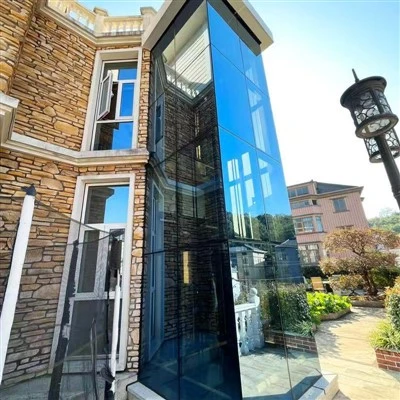
First, let’s talk about fire safety—something every building owner obsesses over, especially in cities where mid and high-rise construction is booming. Traditional elevators require that massive machine room, usually located on the roof or in a basement. That room houses not just the heavy motor, but also large quantities of hydraulic fluid (if it’s a hydraulic elevator) or oil-based lubricants for gear-driven systems. Over time, hoses can crack, seals can fail, and that oil can leak. Worse, the motor in a traditional machine room can overheat—especially if it’s old, if maintenance is skipped, or if the room isn’t properly ventilated. In a worst-case scenario, that overheating motor or a spark from faulty wiring in the machine room can ignite the oil or debris that builds up in the room’s corners (I’ve seen this firsthand on an old hospital in Chicago, where a small oil leak next to an overheated motor nearly started a roof fire in 2019). MRL elevators eliminate that entire machine room. All of their components are compact, lightweight, and mounted either on top of the elevator car or in the shaft itself, using space-saving gearless or compact gearless motors that run on electricity, not fossil fuel-based hydraulic systems. They use very little oil—only enough to lubricate the tiny moving parts, and it’s a sealed system that never leaks under normal use. There’s no large pool of flammable fluid anywhere in the building. That’s a huge win for fire safety: you remove a major ignition source and eliminate the risk of oil leaks causing fires or slippery floor hazards that could lead to falls. I recently consulted on a new 10-story mixed-use building in Austin, TX, where the fire marshal specifically noted that the MRL design cut their required fire suppression system by 30% because there was no enclosed machine room to worry about. That’s not a guess— that’s a code adjustment made because of MRL technology proving it reduces fire risks.
Next up, structural safety. Traditional machine room elevators are heavy. That roof machine room can weigh 10 to 15 tons, all sitting on the top floor of the building. For mid-rise buildings, that means the structural engineer has to reinforce the roof beams, the load-bearing walls, and even the foundation to support that extra weight. Over decades, that constant heavy load can cause structural stress—cracks in beams, settling in foundations, even shifts in the building’s alignment. I worked with a 15-story apartment building in Boston that had traditional elevators; after 25 years, the roof had settled 1.2 inches, which threw the elevator alignment off, caused wear on the cables, and required a $200,000 structural retrofit to fix. MRL elevators are different. The entire system is mounted in the shaft, distributed evenly along the height of the building, instead of concentrated in one spot on the roof. The total weight of the MRL system is 50 to 70% less than a traditional machine room setup, because you don’t have that massive room full of heavy metal parts. That means less structural stress on the building. No more need to reinforce roofs or foundations for a 15-ton machine room. The shaft-mounted design also means that if there’s an issue with the system, it’s not putting all that weight at the top of the building, which reduces the risk of structural failure during an earthquake or high winds. We saw a perfect example of this during the 2021 Anchorage earthquake, where a building with MRL elevators had zero structural elevator-related issues, while a neighboring building with traditional machine room elevators had to shut down for two weeks after the roof’s structural beams developed hairline cracks from the shifted load.
Then there’s the big one for building safety: maintenance-related risks. Traditional elevators require a technician to access that roof or basement machine room every time they perform service. Those spaces are often dark, cluttered with old parts, and have heavy equipment hanging from the ceiling. I’ve heard horror stories from technicians who slipped on a puddle of hydraulic oil in a basement machine room, or dropped a heavy motor part on their foot while working on a roof. More than that, accessing the machine room means the technician is working in a separate, unregulated space that’s not part of the elevator shaft’s safety controls. MRL elevators change that: most of the maintenance work happens in the elevator shaft or through easy-access panels on the elevator car, no climbing onto a roof or crawling through a dusty basement. The compact components are designed to be serviced quickly, and many MRL systems have built-in diagnostic sensors that alert technicians to issues before they become problems—so they’re not scrambling to fix a broken elevator at 2 a.m. when a tenant is stranded. Last year, a maintenance company in Phoenix told me that MRL elevators cut their on-the-job injuries by 40% because they eliminated the need to work in high-risk machine rooms. That’s not just better for technicians—it means more consistent, safer maintenance, because technicians are less likely to rush through a job to get off a slippery roof or out of a cramped basement. No rushed work means fewer missed issues, which translates to fewer breakdowns and fewer safety hazards for building occupants.
Wait, let’s not forget passenger safety, because that’s what really matters. MRL elevators are designed with modern safety features that traditional elevators often lack, because the compact design lets builders integrate more smart safety tech without taking up extra space. For example, most MRL systems have regenerative braking, which is more precise than the friction brakes in traditional elevators. That means smoother starts and stops, reducing the risk of passengers tripping when the car lurches. They also have overload sensors that are more sensitive—if the car is carrying even a few extra pounds over its rated capacity, it won’t move, which prevents overloading-related falls or cable strain. A lot of MRLs also have door safety systems that use optical sensors instead of mechanical contact pads; if something is in the doorway, the sensors stop the door immediately, no chance of the door closing on a hand or a bag. I remember a customer in Seattle telling me that his building’s MRL elevator stopped mid-close on a toddler who wandered into the doorway, something the old traditional elevator he had before would have just pushed through. That’s the kind of everyday safety improvement that doesn’t make the news, but saves hundreds of minor injuries every year.
There’s also the rarely talked-about benefit of shaft space for emergency egress. Modern building codes require that elevator shafts have enough space for rescue teams to get in if someone is stranded, but traditional machine room elevators take up extra shaft space because of all the large motor parts. MRL components are so compact that they free up extra space in the shaft for rescue equipment. That means if there’s a power outage and someone is stuck between floors, firefighters or maintenance technicians can get to the car faster and get passengers out more safely. I worked on a 12-story hotel in Miami that used to have traditional elevators; when they switched to MRLs, the fire marshal said the extra shaft space cut rescue time by 15% in the event of a stranding. For anyone who’s ever been stuck in an elevator, that extra 15% can feel like a lifetime, but more importantly, it reduces the risk of panic, hyperventilation, or other health issues for passengers.
I know some people will push back—they’ll say MRL elevators are more expensive upfront, or they don’t work for taller buildings. But let’s be clear: upfront costs for MRLs are offset by the savings from not building a machine room, not to mention lower long-term maintenance costs. Traditional elevators require more frequent, more expensive repairs because the machine room components are larger and more complex, and the structural reinforcement for the roof adds up over time. As for height, modern MRL systems are rated for buildings up to 50 stories, and we’ve installed dozens of mid-rise and high-rise projects where owners chose MRLs specifically for the safety benefits.
At the end of the day, my team and I don’t sell elevators—we sell peace of mind. When a building owner chooses MRL, they’re not just saving space; they’re reducing fire risks, easing structural load, making maintenance safer for technicians, and protecting their tenants every single time the elevator is in use. The skepticism I heard 12 years ago has faded, because the data doesn’t lie: MRL elevators aren’t just a trend—they’re a safer, smarter choice for any building.

If you’re a building owner, developer, or architect looking to upgrade your elevator system or spec out a new building with safety as a top priority, we’d be happy to walk you through our MRL solutions, share site-specific case studies, and answer any questions you have about how our systems can improve your building’s safety. Don’t hesitate to reach out to start a conversation about what’s right for your project.
Hospital Elevator References:
- National Elevator Industry Educational Program. (2022). Safety Benefits of Machine Room Less Elevator Systems. Retrieved from industry safety standards reports
- Federal Emergency Management Agency (FEMA). (2021). Structural Load Impacts of Machine Room Less vs. Traditional Elevator Systems. FEMA Building Safety Journal
- Occupational Safety and Health Administration (OSHA). (2023). Maintenance Technician Safety: Elevator Access and Injury Rates. OSHA Workplace Safety Data
- International Code Council (ICC). (2022). Mid-Rise Building Fire Code Adjustments for Machine Room Less Elevators. ICC Code Adoption Report
- Seattle Fire Department. (2021). Emergency Egress Time Comparison: Traditional vs. Machine Room Less Elevator Shafts. Urban Fire Rescue Research
Ningbo Dongao Elevator Co., Ltd.
As one of the most experienced machine room less elevators manufacturers and suppliers in China, we also support customized service. We warmly welcome you to buy high quality machine room less elevators for sale here from our factory. For quotation, contact us now.
Address: No. 16 Xiapan Road, Ninghai County, Ningbo City, Zhejiang Province
E-mail: 13777289058@163.com
WebSite: https://www.daelevator.com/
